Author: admin

  • Mastering the Crypto Merchant Dashboard: A 2026 Tutorial for Global Growth

    Mastering the Crypto Merchant Dashboard: A 2026 Tutorial for Global Growth

    In 2026, a professional interface serves as more than a ledger; it functions as a sophisticated bridge between digital commerce and global financial markets. You likely recognize the frustration of managing multi-currency settlements while fearing that interface lag might cause you to miss pivotal market movements. This crypto merchant dashboard tutorial is designed to eliminate that friction, providing a clear path to integrate your payment flow with high-growth assets.

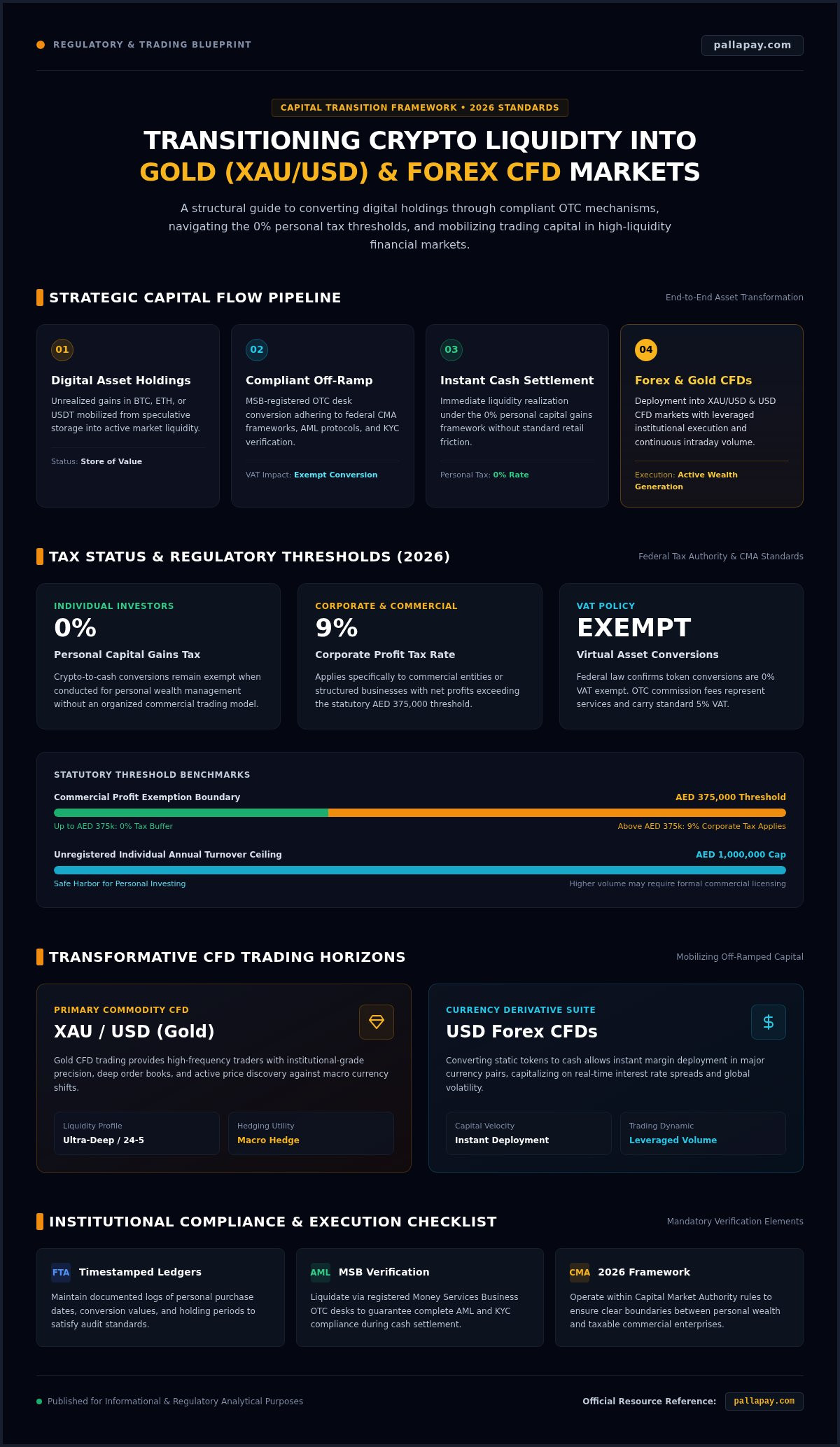
    Transitioning from simple payment acceptance to active capital management is the most effective way to secure long-term stability. It’s vital to establish a streamlined workflow that offers total visibility on fiat settlements and the ability to diversify instantly into Gold (XAU/USD) and USD CFDs. This guide explores how to navigate your dashboard to unlock these transformative trading opportunities, moving your business from basic operations to strategic financial expansion through Forex and commodity markets.

    Key Takeaways

    • Establish a secure foundation for digital asset management by configuring your dashboard for maximum efficiency and real-time visibility.
    • Master the step-by-step transaction workflow within this crypto merchant dashboard tutorial to generate payment requests via virtual terminals or dynamic QR codes.
    • Optimize business liquidity by leveraging seamless fiat settlements and utilizing USDT reserves to hedge against currency fluctuations.
    • Unlock transformative growth by integrating Gold (XAUUSD) and USD CFD trading to diversify capital into traditional commodity and currency markets.
    • Scale your enterprise operations through a regulated ecosystem that combines digital payment gateways with physical POS infrastructure for global reach.

    Setting Up Your Crypto Merchant Dashboard for Maximum Efficiency

    Establishing a secure foundation is the first step in this crypto merchant dashboard tutorial. When you first log in, you aren’t just opening a software tool; you’re accessing a professional gateway to global liquidity and institutional-grade financial markets. Security configuration starts with robust two-factor authentication (2FA) to protect merchant capital from unauthorized access. This isn’t optional for serious enterprises. You should also review MSB compliance requirements within your settings to ensure your operations align with US FinCEN or Canadian FINTRAC standards, depending on your specific registration status.

    The main interface provides immediate visibility into key performance indicators. You can track total settled volume, pending transaction statuses, and current fiat balances at a glance. Understanding how payment processors work in a decentralized context helps you manage the transition from digital assets to local currency more effectively. For growing teams, configuring multi-user access is vital. You can grant specific permissions to accounting for settlement reports while giving sales teams the ability to generate payment links without accessing sensitive wallet settings. Customizing notification triggers ensures you stay informed on instant payment confirmations, which is essential for high-volume environments.

    Security Protocols and 2FA Integration

    Protecting your assets requires more than just a strong password. Implementing IP whitelisting for API-driven environments adds a layer of defense by restricting dashboard access to verified business locations. This level of security is standard for institutional-grade financial operations. By securing your dashboard early, you create a stable environment where you can eventually transition business capital into more active markets like Gold and Forex CFDs without worrying about the safety of your underlying liquidity.

    Tailoring the Dashboard to Your Industry

    Every business has unique operational needs that the interface must reflect. For hotels and high-ticket hospitality, the dashboard allows for manual entry or virtual terminal requests for large deposits. If you operate retail stores, you can optimize the interface for high transaction volumes, ensuring that staff can process payments quickly at the point of sale. For those integrating with e-commerce platforms, the focus shifts to automated checkouts and webhook notifications that trigger order fulfillment the moment a transaction is confirmed. This level of customization ensures that the dashboard serves your specific growth strategy rather than being a generic tool.

    Managing Payments: A Step-by-Step Tutorial on Transaction Workflows

    Efficiency in payment processing defines modern commerce. Your dashboard streamlines this through a logical progression from initiation to settlement. In this crypto merchant dashboard tutorial, we focus on the mechanics of the transaction lifecycle to ensure you maintain total control over your capital. Generating a new payment request is a simple matter of choosing between a virtual terminal for manual entry or a dynamic QR code for customer-facing interactions. Both methods prioritize speed and accuracy, ensuring that conversion rates are locked in at the moment of the request.

    Tracking the status of every transaction is essential for maintaining a clean ledger. The interface categorizes payments into three distinct stages. “Pending” indicates the transaction is detected on the blockchain but awaits verification. “Confirmed” means the network has validated the transfer. “Settled” signifies the funds are fully available in your account. As businesses scale, they often require sophisticated multi-asset crypto management to handle the influx of diverse digital tokens. This clarity prevents the common pain point of missing market volatility due to slow interface updates.

    Professional protocols for refunds and partial payments are built directly into the workflow. If a customer sends an incorrect amount, the dashboard allows you to issue a precise refund or request the remaining balance without restarting the entire process. For tax compliance and internal audits, you can export comprehensive financial reports in multiple formats. These documents provide the visibility needed to justify fiat settlements and prepare your business for the next stage of growth, such as exploring the full merchant ecosystem to leverage your capital in global markets.

    The Virtual Terminal for In-Person Sales

    The virtual terminal is designed for speed in physical environments. You simply input the fiat amount, and the system generates real-time crypto conversion rates. Selecting the optimal blockchain network, such as a low-fee Layer 2 or a stablecoin-native chain, ensures both you and your customer save on overhead. Always verify the “Confirmed” status on your screen before handing over high-value goods or services to ensure the transfer is irreversible.

    Automating Online Checkouts via API

    For digital enterprises, leveraging the payment API allows for seamless web integration that reduces cart abandonment. Testing webhooks is a critical step; it ensures that your website receives real-time updates to trigger inventory changes or digital deliveries. This automation transforms your checkout process into a high-performance engine, allowing you to focus on strategic goals like diversifying your revenue into USD and Gold CFDs.

    Mastering the Crypto Merchant Dashboard: A 2026 Tutorial for Global Growth

    Optimizing Business Growth via Multi-Asset Management

    Strategic growth requires a shift from passive payment acceptance to active capital optimization. While the previous section of this crypto merchant dashboard tutorial focused on the mechanics of transaction workflows, this phase examines how to leverage those funds for long-term enterprise value. A sophisticated dashboard acts as a command center where you can manage diverse digital assets and transition them into traditional financial structures. By mastering the fiat settlement process, you ensure that your digital revenue is converted into local bank deposits with precision, providing the liquidity needed for daily operations or large-scale investments.

    Managing stablecoin reserves, particularly USDT, provides a vital hedge against the inherent volatility of the broader crypto market. You don’t always need to exit to fiat immediately; instead, holding USDT allows you to maintain a digital “cash” position that is ready for instant redeployment. This flexibility is enhanced by integrating an off-ramp solution, which offers liquidity on demand. Whether you’re paying global suppliers or preparing to enter the Forex market, having a streamlined path from your dashboard to your bank account is essential for maintaining a competitive edge.

    Data-driven decision-making is another pillar of business growth. Your dashboard provides historical data that allows you to analyze customer payment trends and forecast seasonal growth. If you notice an uptick in Bitcoin payments during specific quarters, you can adjust your settlement strategy to capitalize on market strength. This foresight transforms your dashboard from a simple ledger into a predictive tool, helping you build a financial cushion that supports your eventual expansion into Gold and USD CFD trading.

    Fiat Settlement vs. Crypto Retention

    Deciding when to hold digital assets and when to convert to fiat is a balance of risk and utility. Strategic timing can help you minimize conversion spreads. The following table outlines typical settlement windows for major currencies within a professional dashboard environment:

    Currency Pair Settlement Speed Strategic Use Case
    Crypto to USD Instant to 24 Hours Collateral for CFD and Forex trading
    Crypto to EUR Same Business Day Settling European supply chain costs
    Crypto to USDT Real-Time Hedged reserve for market volatility

    Real-Time Market Monitoring

    Precision is everything in global finance. Use your interface to monitor major pairs like BTC/USD and ETH/USD in real time. Setting price alerts allows you to optimize your settlement windows, ensuring you convert assets only when market conditions are favorable. This proactive approach ensures you’re never forced to settle during a dip, preserving the value of your hard-earned revenue as you prepare to diversify into more traditional assets like Gold (XAUUSD).

    Transformative Financial Growth: Integrating Gold and USD CFD Trading

    Moving beyond the operational basics covered in this crypto merchant dashboard tutorial, we enter the phase of active capital appreciation. A professional merchant interface shouldn’t just function as a digital ledger; it serves as a launchpad for transformative financial growth. By integrating Contracts for Difference (CFD) trading, you gain the ability to access global markets without the logistical burden of owning the underlying physical assets. This allows you to speculate on price movements in real time, turning market volatility from a risk into a strategic advantage for your enterprise.

    The mechanics of CFD trading are built for speed and efficiency. When you trade CFDs, you enter an agreement to exchange the difference in the value of an asset from the time a contract is opened to when it is closed. This model is particularly beneficial for merchants who already manage digital liquidity. Instead of allowing settled funds to remain stagnant, you can transition that liquidity into the Forex market to seek capital appreciation. This strategic participation has the potential to change your financial trajectory, moving your business from a state of simple revenue collection to one of sophisticated wealth generation.

    To begin your journey toward market-driven growth, you can access our professional trading tools and integrate your merchant capital with global liquidity today.

    Gold (XAUUSD) as a Strategic Asset

    Gold remains the ultimate hedge for modern merchants seeking to protect their purchasing power. While digital assets offer high growth potential, they often correlate with broader market sentiment. Gold (XAUUSD) typically moves independently of crypto volatility, providing a stabilizing force for your business reserves. XAUUSD CFDs represent a high-leverage tool for diversifying merchant revenue by allowing businesses to hedge against currency devaluation through gold market exposure. Using USD-based CFDs further allows you to capitalize on global currency fluctuations, ensuring your capital remains productive regardless of regional economic shifts.

    Forex Trading for Business Diversification

    Scaling from a local merchant to a global investor requires a fundamental psychological shift. You must move from the daily habit of “earning” to the institutional strategy of “compounding” business profits. Understanding leverage and risk management in USD currency pairs is the key to this transition. By using the same dashboard that handles your payments, you can monitor Forex signals and execute trades that diversify your holdings. This integrated approach ensures that your business doesn’t just survive market cycles but thrives by capturing value across multiple asset classes, from traditional commodities to the world’s primary reserve currencies.

    Scaling Your Enterprise with the Pallapay Integrated Ecosystem

    Scaling a global enterprise requires more than a functional interface; it demands a comprehensive financial ecosystem that bridges the gap between digital innovation and institutional reliability. This final stage of our crypto merchant dashboard tutorial focuses on integrating your operational success with professional-grade tools designed for expansion. A regulated ecosystem provides the security and compliance necessary for long-term stability, ensuring that your business remains resilient as you move into high-volume markets. By unifying your revenue streams, you create a foundation for the transformative financial growth that comes from strategic market participation.

    Efficiency is maximized when you combine a digital crypto payment gateway with physical infrastructure. This 360-degree approach allows you to capture value across all customer touchpoints, whether they occur online or in person. For high-volume needs, expanding into an institutional-grade OTC crypto exchange provides the deep liquidity required for large-scale settlements. This capability is essential for merchants who wish to fund significant positions in the Forex or Gold markets without the friction of traditional banking delays. Future-proofing your business involves preparing for an evolution where digital payments and traditional asset trading exist within a single, seamless workflow.

    Global Compliance and MSB Registration

    Stability is the cornerstone of global commerce. Working with a fintech provider registered as a Money Services Business (MSB) with FinCEN in the United States and FINTRAC in Canada ensures your operations meet rigorous international standards. This regulatory framework supports businesses in over 180 countries, providing a secure environment for cross-border settlements. It eliminates the fear of regulatory uncertainty, allowing you to focus on compounding your profits through USD and Gold CFD trading rather than managing compliance risks.

    Next Steps: Activating Your Growth Strategy

    The path to global expansion begins with a clear implementation plan. Your first step is to apply for a professional merchant account to gain full access to the dashboard features discussed throughout this guide. For physical locations, integrating hardware solutions like a crypto POS machine ensures your retail operations are as modern as your digital ones. If your business requires a custom setup, contacting support for personalized integration assistance can help align our technology with your specific goals. Adopting these tools is an investment in your financial future, turning daily transactions into a engine for wealth generation in the global Forex and commodity markets.

    Driving the Evolution of Global Merchant Finance

    Mastering the tools outlined in this crypto merchant dashboard tutorial transforms your business from a simple payment processor into a strategic financial entity. By establishing secure workflows and leveraging real-time visibility, you’ve built the foundation for institutional-grade growth. The transition from digital settlements to the high-performance worlds of Gold (XAUUSD) and Forex CFD trading represents a significant shift in how you manage enterprise capital. This strategic pivot allows you to move beyond daily operations and into the realm of compounding wealth.

    Scaling with a partner that operates as a regulated MSB in the United States and Canada provides the stability required for global expansion. With a presence in over 180 countries and physical OTC desks in major global hubs, the infrastructure supports your move into diverse asset classes. It’s time to embrace a comprehensive ecosystem that facilitates both commerce and capital appreciation. Empower your business growth with the Pallapay Merchant Dashboard today. Your path to transformative financial success starts with a single, integrated platform designed for the modern global economy.

    Frequently Asked Questions

    What is a crypto merchant dashboard and how does it work?

    A crypto merchant dashboard is a centralized command center that facilitates the acceptance, tracking, and settlement of digital asset transactions. It works by bridging decentralized blockchain networks with your business’s financial infrastructure. This interface allows you to monitor incoming payments in real time, manage liquidity, and initiate fiat settlements. It serves as the primary tool for reconciling digital sales with traditional accounting practices.

    How can I integrate the dashboard with my existing e-commerce site?

    Integration is achieved through a secure developer API or specialized plugins for major e-commerce platforms. The dashboard provides the necessary API credentials and documentation to link your digital storefront to the payment gateway. This process enables automated checkout flows where customers pay in crypto while you receive real-time confirmations. Testing via webhooks ensures that inventory and order statuses update instantly upon network verification.

    Is it possible to receive payments in crypto but settle in fiat currency?

    You can certainly accept cryptocurrency and receive settlements in your local fiat currency. The dashboard allows you to configure automatic conversion settings to mitigate exposure to price volatility. This feature ensures that the exact fiat value of your sale is preserved and transferred to your linked bank account. It’s a critical component of this crypto merchant dashboard tutorial for businesses seeking traditional financial stability.

    How does Gold CFD trading benefit my business financial strategy?

    Gold CFD trading offers a sophisticated way to hedge your business capital against currency devaluation and market shifts. By trading XAUUSD CFDs, you gain exposure to gold’s price movements without the logistical challenges of physical ownership. This strategy helps diversify your reserves, turning static business profits into active, compounding assets. It provides a reliable counterweight to the faster-moving digital asset market.

    What are the fees associated with using a merchant dashboard for crypto?

    Transaction fees for crypto merchant services are generally lower than the 2.9% plus $0.30 often charged by credit card processors. Most digital gateways range between 0.5% and 2%, though specific withdrawal and network fees vary by asset. You’ll find a detailed breakdown of processing costs and potential discounts for holding native platform tokens within your account settings. This cost-efficiency significantly improves annual profit margins for high-volume enterprises.

    How secure is my data and capital on the Pallapay dashboard?

    Capital and data security are maintained through institutional-grade encryption and mandatory two-factor authentication. The dashboard includes advanced features like IP whitelisting and multi-user permission levels to prevent unauthorized access. Because the platform is a registered Money Services Business in both the US and Canada, it adheres to strict global compliance standards. These protocols ensure that your business liquidity remains protected against external threats.

    Can I manage multiple retail locations from a single dashboard account?

    Managing multiple retail locations from a single dashboard account is a standard feature for scaling enterprises. You can assign unique identifiers to different physical branches or POS machines to track individual performance. This centralized visibility allows you to monitor global sales volume and manage staff access levels from one login. It’s an essential tool for maintaining operational consistency across a growing international footprint.

    What is the difference between a crypto gateway and a standard payment processor?

    A crypto gateway facilitates direct blockchain transfers, while standard processors rely on traditional banking rails and intermediary clearinghouses. This difference results in faster settlement times and the total elimination of fraudulent chargebacks. This crypto merchant dashboard tutorial highlights how gateways bypass the high fees and delays of legacy systems. They provide a more efficient path for global commerce by connecting merchants directly to the digital economy.

    Disclaimer

    The information provided on this website and blog is for general informational and educational purposes only and does not constitute financial, investment, legal, tax, or other professional advice.
    Cryptocurrency and digital asset services may be subject to regulatory restrictions in certain jurisdictions. Users are solely responsible for ensuring compliance with applicable local laws and regulations before using any products or services mentioned on this website.
    PallaPay does not guarantee the accuracy, completeness, or timeliness of any information published and accepts no liability for any loss or damages arising from reliance on the content. Any opinions expressed are those of the respective authors and may change without notice.
    Certain services, features, or products referenced may be provided through third-party partners, licensed entities, or affiliated service providers subject to separate terms and regulatory approvals. Availability of services may vary by country or region.
    This website may contain references to digital assets, virtual currencies, or blockchain-related services that are not available to residents of certain jurisdictions, including where prohibited by law. Nothing on this website constitutes an offer, solicitation, or recommendation to buy or sell any financial instrument or virtual asset.

  • Pallapay POS Machine Setup Guide: Scaling Your Business with Crypto and Forex Utility

    Pallapay POS Machine Setup Guide: Scaling Your Business with Crypto and Forex Utility

    What if your point-of-sale terminal did more than just process payments and actually functioned as a bridge to global wealth? Most business owners view a merchant terminal as a cost center, but the right technology transforms it into a strategic engine for growth. This pallapay pos machine setup guide provides the technical clarity you need to bridge the gap between retail transactions and institutional-grade financial utility.

    We understand that the shift toward digital assets often comes with technical anxiety and concerns about complex hardware synchronization. You want a system that works immediately without the friction of traditional banking delays. This guide promises a comprehensive, step-by-step path to configuring your Pallapay terminal while unlocking the transformative potential of global CFD trading. You’ll learn how to move from a fully operational crypto POS setup to seamless fiat settlements. We will also explore how to leverage your merchant revenue to access gold and USD CFD markets, turning everyday sales into a sophisticated portfolio.

    Key Takeaways

    • Learn the precise physical initialization process, including battery calibration and component verification, to ensure your terminal is ready for immediate mobile retail use.
    • Follow this pallapay pos machine setup guide to integrate your hardware with the merchant dashboard, enabling instant fiat settlements and secure digital asset management.
    • Discover how to transform retail revenue into significant market growth by accessing institutional-grade gold and USD CFD trading directly through the ecosystem.
    • Implement advanced security protocols and hardware protection strategies to safeguard your digital assets while scaling operations across multiple global retail locations.
    • Understand the mechanics of leverage and Forex utility to redefine your business’s financial trajectory, moving from simple transaction processing to active wealth generation.

    The Strategic Advantage: Why Your Business Needs the Pallapay POS

    Modern commerce is rapidly moving away from static, fiat-only systems toward a dynamic digital asset ecosystem. Adopting a sophisticated Point of Sale (POS) system is no longer just about processing a single transaction; it’s about building a robust bridge between disruptive financial innovation and institutional reliability. This pallapay pos machine setup guide serves as your roadmap to establishing a secure pipeline that converts digital assets into liquid capital. By implementing this technology, you’re not just upgrading hardware; you’re fundamentally shifting your business model to thrive in a globalized, digital-first marketplace.

    Accepting digital payments prepares your business for an inevitable global evolution. By integrating crypto-to-fiat functionality, you aren’t just adding a payment method; you’re positioning your enterprise as a forward-thinking strategic partner. This shift allows you to capture a broader market segment while maintaining the stability required for institutional-grade financial operations. The terminal acts as the primary gateway, ensuring that every digital transaction is handled with the same precision and speed as traditional credit card processing.

    Institutional Security and Compliance

    Trust is the foundation of every high-volume transaction. Pallapay’s commitment to security is evidenced by its registrations with FinCEN in the United States and FINTRAC in Canada. These regulatory benchmarks ensure that your fiat settlement processes occur within a transparent, compliant framework. This regulated infrastructure provides the calm, secure backbone necessary for modern retail store operations, removing the volatility often associated with emerging tech sectors. When you follow this pallapay pos machine setup guide, you’re joining an ecosystem built on the principles of institutional financial reliability and absolute stability.

    Utility-Focused Emotional Style in Retail

    A friction-free checkout experience defines the modern customer relationship. When you provide global payment flexibility, you remove the psychological barriers to purchase. Your brand emerges as a tech-savvy facilitator that prioritizes user ease and speed. This approach transforms a standard transaction into a sophisticated interaction, instilling a sense of absolute trust in your professional capabilities. Beyond the initial sale, the revenue generated through your terminal can be the catalyst for transformative financial growth. By utilizing settled funds for gold and USD CFD trading, you move beyond simple retail profits and enter the realm of active wealth management. This transition from a merchant to a strategic market participant has the potential to change your financial life, leveraging everyday business activity for significant market exposure.

    Hardware Initialization: Unboxing and Physical Setup

    The physical arrival of your terminal marks the beginning of a more sophisticated operational phase. Begin by verifying the hardware components: the terminal itself, the high-speed charging dock, the power adapter, and the initial roll of thermal receipt paper. Using this pallapay pos machine setup guide ensures that every component is inspected for integrity before you proceed to the initial power-on sequence. It’s a simple yet critical step to confirm your hardware meets the standards of institutional financial reliability from the moment it leaves the box.

    Once unboxed, connect the terminal to its power source for a full battery calibration cycle. It’s best practice to charge the unit to 100% before its first mobile retail application. This step stabilizes the power management system, ensuring your terminal remains operational during peak business hours without interruption. After the device boots, your first priority is the mandatory firmware update. This process installs the latest security patches and optimizes the underlying mechanics of the system, aligning your hardware with the most current global standards of stability.

    Network and Connectivity Optimization

    Secure data transmission is the backbone of any professional retail store environment. Configure your merchant network using WPA3 encryption to provide the highest level of protection for sensitive transaction data. Following official standards for Cybersecurity for Small Business helps you establish these foundational defense layers. To ensure absolute stability, set up 4G LTE failover options alongside your secure Wi-Fi. These redundancies guarantee that even if your primary connection falters, your ability to process high-volume digital payments remains uninterrupted, protecting both your revenue and your reputation.

    User Interface and Basic Navigation

    The user interface is designed for speed and clarity, favoring a direct, benefit-driven layout that reduces staff training time. Begin by establishing administrative and staff-level access codes to maintain strict operational control over your financial data. You can also customize receipt templates with your business logo, reinforcing your professional branding at every customer touchpoint. Efficiently managing these initial settings allows you to transition quickly from technical configuration to active commerce. Once your hardware is synchronized, you can begin exploring how to leverage your settled funds for gold and USD CFD trading. This strategic move can fundamentally change your financial life by turning retail profits into diversified market growth. To maximize the speed of your capital rotation, ensure your fiat settlement options are correctly configured during this initial phase.

    Pallapay POS Machine Setup Guide: Scaling Your Business with Crypto and Forex Utility

    Digital Integration: Configuring Your Merchant Dashboard

    Successful hardware initialization is only the beginning; digital synchronization provides the actual utility for your business operations. This phase of the pallapay pos machine setup guide focuses on the digital handshake between your physical terminal and the merchant dashboard. Your first objective is linking the physical unit to the Pallapay Wallet to ensure every digital asset is instantly secured. This connection creates a unified environment where you can manage high-volume transactions with the confidence of institutional financial reliability.

    Establishing Fiat Settlement protocols allows you to bypass the traditional delays associated with legacy banking. You’ll need to configure your local bank details within the dashboard to convert crypto revenue into liquid capital. For high-volume merchants, setting up automated off-ramp protocols ensures that your cash flow remains consistent and predictable. If you need to verify your tax compliance or internal accounting, the dashboard provides real-time reporting to satisfy even the most rigorous operational auditing requirements.

    Activating the Crypto Payment Gateway

    The dashboard allows you to select exactly which assets your terminal will accept. You can easily toggle support for USDT, Bitcoin, and Ethereum based on your customer demographics. After selecting your assets, set your preferred settlement currency to USD or EUR to maintain a stable balance sheet. If your business operates across both physical and digital storefronts, integrating the Payment API is essential. This integration provides a hybrid tracking system that consolidates all sales data into a single, professional interface, ensuring you never lose sight of your total market performance.

    Advanced Merchant Controls

    A sophisticated partner needs sophisticated tools. The dashboard gives you the power to monitor transaction spreads and commission fees in real time, allowing for precise financial planning. You can also establish multi-user permissions, granting specific access levels to accountants or store managers without compromising your primary administrative security. Leveraging the Retail Store Industry Solutions provides you with tailored reporting metrics that are specific to the retail sector. This level of control is what transforms a simple payment tool into a strategic engine for growth. The ultimate goal is financial transformation. By directing settled revenue toward gold and USD CFD trading, you transition from a merchant to a strategic investor. This shift has the potential to change your financial life, turning everyday retail success into a vehicle for global market growth.

    Financial Transformation: From POS Revenue to Forex and CFD Trading

    The completion of the technical pallapay pos machine setup guide marks the transition from operational readiness to strategic financial growth. While most business owners treat a payment terminal as a simple collection tool, the Pallapay ecosystem redefines the hardware as a primary engine for capital generation. This shift allows you to move beyond the limitations of standard retail and enter the high-stakes environment of global markets. By converting daily transaction volume into liquid capital, you establish the foundation for a diversified financial portfolio that transcends traditional commerce. It’s a method of turning every customer interaction into a potential market opportunity.

    This strategic bridge between retail and finance is what separates a standard merchant from a forward-thinking strategic partner. You don’t have to wait for traditional banking cycles to clear your funds before you can act on market movements. Instead, the real-time nature of digital asset settlement provides the speed necessary to capitalize on price fluctuations as they happen. This creates a sense of momentum that can accelerate your business’s progress and redefine your personal wealth trajectory.

    Mastering Gold and USD CFD Trading

    Accessing the Forex market becomes a logical extension of your retail activity when your liquidity is managed through a professional gateway. The relationship between your settled crypto revenue and market access is direct; as your sales grow, so does your capacity for strategic investment. Entering XAU/USD (Gold) positions with institutional-grade leverage provides the exposure needed to significantly impact your bottom line. This isn’t just about incremental gains. It’s about the transformative potential of trading to change an individual’s financial life. Strategic participation in the gold markets allows you to leverage the stability of a physical commodity while benefiting from the speed of digital execution.

    Strategic Hedging for Global Merchants

    Inflation and local currency fluctuations often erode the purchasing power of retail profits. To counter this, sophisticated merchants utilize USD-paired CFDs to hedge their exposure and maintain institutional financial reliability. By holding positions in USD, you protect your business against the volatility of local fiat currencies, ensuring your capital retains its value over time. Managing a multi-asset portfolio that includes both retail revenue and commodity market positions is handled through the same integrated dashboard used for your POS configuration. CFD trading serves as a sophisticated tool for financial evolution rather than mere speculation. This approach ensures your business remains resilient in the face of global economic shifts. You can accelerate your progress by integrating these solutions into your daily workflow.

    Take the next step in your financial evolution by visiting our fiat settlement page to learn how to bridge your retail profits with global markets.

    Optimizing Performance: Security and Scaling Your Operations

    Security is the bedrock of institutional financial reliability. As you complete your pallapay pos machine setup guide, your focus must shift toward long-term asset protection and operational expansion. Implementing Crypto Security best practices for your terminal hardware ensures that every transaction occurs within a hardened environment. This proactive stance protects your capital and builds absolute trust with your professional clientele. High-volume retail requires a calm, secure approach to data management, and these protocols provide the stability needed to handle significant digital volume without friction.

    A sophisticated partner understands that growth requires both protection and speed. By following the steps in this pallapay pos machine setup guide, you’ve established a foundation that supports rapid scaling. The goal is to move from a single point of sale to a global network, all managed through a unified digital interface. This evolution allows you to capture market share while maintaining the institutional standards your customers expect.

    Advanced Security Protocols

    Managing hardware keys and RFID access allows for granular control over staff transactions. By restricting terminal access to authorized personnel, you mitigate internal risks and maintain a clean audit trail. In the Pallapay ecosystem, cold storage plays a vital role in protecting your long-term holdings from online vulnerabilities, keeping your primary assets offline and out of reach. Regular auditing of your Off-Ramp activity provides the transparency needed for sophisticated commerce, ensuring that every transfer to your bank is verified, documented, and secure. This level of oversight is essential for maintaining compliance and institutional trust.

    Expanding Your Financial Reach

    Scaling your business requires a system that grows alongside your ambitions. You can deploy multiple terminals across global retail locations, maintaining a unified view of your revenue through a single, professional dashboard. This infrastructure is particularly effective for large-scale hospitality groups or Hotels, where high-volume, multi-point digital payments are the standard. Using the Pallapay Mastercard provides instant access to your merchant funds, allowing you to react to market opportunities or operational needs with the speed of a global industry leader. It’s a tool designed for real-time commerce, removing the traditional delays of legacy banking.

    The long-term benefits of a unified crypto-fiat-forex infrastructure are truly transformative. By leveraging your settled revenue for gold and USD CFD trading, you move beyond the role of a traditional merchant and into the realm of strategic investment. This market participation has the potential to fundamentally change your financial life, turning consistent retail profits into a vehicle for global wealth generation. Continuous software updates keep your hardware ahead of the curve, ensuring you remain a dominant player in the inevitable global evolution of commerce. You aren’t just managing a shop; you’re operating as a sophisticated global financial player with the tools to dominate the modern market.

    Redefining Your Enterprise for the Global Financial Evolution

    Your transition into the future of commerce begins with technical precision. By following this pallapay pos machine setup guide, you’ve moved beyond standard retail collection and entered a sophisticated multi-asset ecosystem. You now possess the tools to manage high-volume digital transactions while leveraging settled revenue for institutional-grade gold and USD CFD trading. This strategic shift has the potential to change your financial life, turning consistent business cash flow into a vehicle for global market growth.

    Pallapay provides the institutional financial reliability you need, backed by official MSB registrations in the USA and Canada and a global presence spanning over 180 countries. This secure infrastructure allows you to scale operations across diverse retail environments while maintaining absolute stability. You’re no longer just a merchant; you’re a strategic partner in an inevitable global evolution. With seamless integration for gold and USD CFD trading platforms, your revenue works as hard as you do.

    Empower your business with the Pallapay Crypto POS today and begin your journey toward market-driven growth. Your enterprise is ready to lead the modern financial landscape.

    Frequently Asked Questions

    How do I connect my Pallapay POS machine to Wi-Fi for the first time?

    Access the network settings menu on your terminal, select your secure SSID, and enter your WPA3 encrypted password. This is a foundational step in the pallapay pos machine setup guide to ensure stable transaction flows. Once connected, the device automatically synchronizes with your merchant dashboard for real-time monitoring and updates. This process establishes the initial link between your physical hardware and the digital ecosystem.

    Can I settle my crypto payments directly into my corporate bank account?

    Yes, you can configure fiat settlement protocols within your merchant dashboard to convert crypto revenue into bank deposits. The system supports direct transfers to local accounts, ensuring your retail liquidity is available for operational needs or strategic market participation. This automated off-ramp process maintains institutional financial reliability for high-volume merchants. It’s a professional bridge that connects modern digital assets with established banking practices.

    What are the fees associated with accepting USDT through the POS terminal?

    Fees are structured based on transaction volume and the specific digital assets you choose to process. Merchants who utilize the Palla utility token can receive up to a 50% discount on these transaction costs. This utility-focused approach is designed to maximize your retail margins, allowing you to retain more capital for potential gold and USD CFD trading. Keeping costs low ensures your business remains competitive in a globalized marketplace.

    Is it possible to use POS revenue for Gold and USD CFD trading immediately?

    Immediate access to your revenue for trading is facilitated through the integrated ecosystem once fiat settlement is confirmed. You can transition retail profits into XAU/USD positions or USD-paired CFDs to hedge against currency volatility directly from your balance. This speed of execution is a key advantage of the platform, enabling you to change your financial life through strategic market exposure. It turns everyday sales into a sophisticated portfolio management tool.

    How does the Pallapay POS handle transaction security for large-scale retail?

    The system employs a combination of hardware encryption, RFID staff access controls, and cold storage for long-term digital assets. Following the pallapay pos machine setup guide helps you implement these institutional security layers effectively. Every high-volume transaction is processed within a hardened environment registered with FinCEN and FINTRAC to ensure absolute stability. This professional framework protects both your business assets and your customer data from potential vulnerabilities.

    What happens if my POS terminal loses internet connectivity during a sale?

    The terminal is designed with 4G LTE failover capabilities to maintain uptime when Wi-Fi signals falter. If your primary connection drops, the device automatically switches to cellular data to ensure the transaction can still be authorized. This redundancy is critical for maintaining the fast-paced rhythm of modern commerce. Dual-SIM support ensures that your ability to process digital payments remains uninterrupted, protecting your revenue and your professional reputation.

    Do I need an MSB registration to use the Pallapay POS machine in my store?

    Pallapay maintains its own official MSB registrations in the USA and Canada, providing a compliant infrastructure for your transactions. While the platform handles the underlying regulatory mechanics, individual merchants should consult their local requirements to ensure they meet specific business licensing standards. Using a regulated facilitator ensures that your backend processes meet global standards of institutional financial reliability. This partnership allows you to focus on growth while the platform manages complex compliance background processes.

    Can I manage multiple POS terminals from a single merchant dashboard?

    Yes, the centralized merchant dashboard allows you to monitor all active terminals across various global retail locations from one interface. You can track individual terminal performance, manage multi-user permissions for your staff, and consolidate sales data for comprehensive financial reporting. This unified approach simplifies the scaling of your operations from a single storefront to an international enterprise. It provides a logical, step-by-step progression for expanding your financial reach without increasing administrative complexity.

    Disclaimer

    The information provided on this website and blog is for general informational and educational purposes only and does not constitute financial, investment, legal, tax, or other professional advice.
    Cryptocurrency and digital asset services may be subject to regulatory restrictions in certain jurisdictions. Users are solely responsible for ensuring compliance with applicable local laws and regulations before using any products or services mentioned on this website.
    PallaPay does not guarantee the accuracy, completeness, or timeliness of any information published and accepts no liability for any loss or damages arising from reliance on the content. Any opinions expressed are those of the respective authors and may change without notice.
    Certain services, features, or products referenced may be provided through third-party partners, licensed entities, or affiliated service providers subject to separate terms and regulatory approvals. Availability of services may vary by country or region.
    This website may contain references to digital assets, virtual currencies, or blockchain-related services that are not available to residents of certain jurisdictions, including where prohibited by law. Nothing on this website constitutes an offer, solicitation, or recommendation to buy or sell any financial instrument or virtual asset.

  • Crypto POS Machine for Small Business: A 2026 Buying Guide to Financial Liquidity

    What if your daily retail sales didn’t just sit in a stagnant bank account but served as the immediate fuel for institutional-grade gold and currency markets? You likely feel the sting of traditional processors that take over 3.5% of your revenue and delay settlements for days. Integrating a crypto pos machine for small business in 2026 solves this by providing instant fiat conversion and eliminating the risk of costly chargebacks. With over 45% of global merchants now accepting digital assets, the shift toward blockchain-based payments is no longer a trend; it’s a standard for professional growth.

    This guide explains how to select a terminal that transforms your storefront into a gateway for XAU/USD and USD CFD trading. You’ll discover how the GENIUS Act of 2025 has stabilized the market, allowing you to move capital from a customer’s wallet to a forex account with zero friction. We’ll explore the latest hardware options, regulatory requirements like the proposed PARITY Act, and the specific technical flows that turn your overhead into a strategic trading advantage. It’s time to stop paying for outdated infrastructure and start leveraging your revenue for transformative financial impact.

    Key Takeaways

    • Learn how a crypto pos machine for small business functions as a professional bridge, transitioning your operations from basic payment processing to active capital management.
    • Identify essential terminal features like instant QR code generation and multi-currency support that ensure a frictionless checkout experience for your global clientele.
    • Discover how to leverage retail revenue for XAU/USD and USD CFD trading, turning standard transactions into strategic assets for long-term financial growth.
    • Master the criteria for evaluating providers, focusing on transparent fee models and the necessity of MSB registration to maintain institutional-grade security.
    • Explore the advantages of an integrated ecosystem that links your physical point of sale to liquid markets through dedicated crypto cards and OTC services.

    The Strategic Evolution: Why Small Businesses Need a Crypto POS Machine

    A Point of Sale (POS) was once a static terminal designed for simple commerce, but it’s now evolving into a sophisticated financial bridge. For the modern entrepreneur, a crypto pos machine for small business is a professional gateway into a digital economy where liquidity is immediate and capital is globally mobile. This technology moves beyond the basic act of accepting payments. It allows you to manage liquid capital with the precision of an institutional trader, ensuring your revenue is always working for you.

    The transition from legacy systems to blockchain-integrated hardware removes the friction inherent in traditional banking. You’re no longer at the mercy of slow settlement times that hinder reinvestment. Instead, your retail revenue becomes a launchpad for high-impact gold and USD CFD trading. By establishing direct blockchain-to-fiat pipelines, you gain near real-time access to funds. This level of agility is what defines a truly modern enterprise, allowing you to pivot that liquidity into the forex market and capture XAU/USD movements while your competitors are still waiting for their bank to clear yesterday’s transactions.

    The Death of Traditional Merchant Fees

    Legacy credit card processors typically extract between 3% and 5% from your hard-earned revenue. Crypto processing operates with lean efficiency, drastically reducing these overhead costs by cutting out the intermediaries. Additionally, the immutable nature of blockchain transactions eliminates the risk of chargeback fraud, which costs merchants billions annually. For a retail operation generating $1,000,000 in annual sales, transitioning to crypto-based settlement can reclaim a substantial portion of profit that would otherwise be lost to intermediary fees and disputed payments.

    Capturing the High-Net-Worth Consumer

    High-net-worth, crypto-native consumers actively seek out merchants who respect their digital-first lifestyle. They prefer brands that offer the security and speed they’ve come to expect from blockchain technology. Being a “crypto-ready” destination provides a clear marketing advantage, positioning your brand as a tech-savvy leader in a competitive market. Implementing these retail store solutions allows you to capture a share of the $1.5 trillion digital asset market while ensuring your business is prepared for the inevitable global financial evolution.

    Essential Features of a High-Performance Crypto POS Terminal

    High-performance hardware is the operational heart of a modern storefront. A crypto pos machine for small business must do more than just process transactions; it must integrate seamlessly with global liquidity pools. Multi-currency support is a non-negotiable requirement for professional growth. While Bitcoin remains a primary asset, stablecoins like USDT and USDC provide the price certainty required for retail inventory management. According to the U.S. Chamber of Commerce technology report, small businesses are increasingly leveraging digital tools to stay competitive, and crypto-readiness is a significant part of that evolution.

    Instant QR code generation ensures a frictionless checkout experience where customers scan, confirm, and pay in seconds. This speed is matched by robust security protocols, including end-to-end encryption and MSB-compliant processing. These features protect your enterprise from external threats while ensuring every transaction meets global regulatory standards. Staff shouldn’t need a degree in computer science to manage these systems. Modern interfaces use visual cues and simplified workflows to ensure that a crypto payment is as easy to handle as a standard debit card tap.

    Real-Time Fiat Settlement Mechanics

    Volatility is the primary concern for most merchants, yet high-performance terminals solve this through instant conversion. When a customer pays in a digital asset, the system settles it into fiat immediately. This process fuels your daily cash flow and provides the ready capital needed for high-impact gold and USD CFD trading. Accessing fiat settlement products allows you to lock in value at the moment of sale, effectively turning your retail revenue into a stable investment fund.

    Connectivity and Hardware Durability

    Choosing the right crypto pos machine for small business depends on your specific retail environment. Standalone handheld terminals offer mobility and built-in thermal printing for physical receipts, making them ideal for restaurants and boutiques. These units require robust battery life and 5G or dual-band Wi-Fi connectivity to prevent downtime during peak hours. Conversely, integrated tablet-based software provides larger interfaces for complex inventory management. Both options should support digital receipts to align with modern consumer preferences. If you’re looking to streamline your operations further, integrating a professional payment API can bridge the gap between your physical store and your digital accounting systems.

    From Retail Revenue to Financial Freedom: Leveraging CFDs and Gold

    While a crypto pos machine for small business simplifies daily transactions, its true value lies in its role as a liquidity engine. Most business owners view sales as the end of a process. Professional entrepreneurs see them as the beginning of a wealth-building cycle. By converting retail sales into digital assets, you bypass the sluggishness of legacy finance. This transition allows for a psychological shift from a traditional shopkeeper to a strategic financial investor. You’re no longer just managing inventory; you’re managing a portfolio of liquid capital that can be deployed into global markets at a moment’s notice.

    This strategic evolution is about more than just modernizing your checkout counter. It’s about securing your financial future by moving capital into assets that outpace inflation. When your daily revenue is settled in digital form, the path to diversified wealth becomes direct. You can transition from a successful retail day to an active position in the world’s most liquid markets without waiting for external approvals or clearing houses.

    The Power of Gold and USD CFD Trading

    Gold trading (XAU/USD) has long been the standard for hedging against economic volatility. In the context of 2026, where state-level cryptocurrency legislation is becoming more defined, the ability to move from crypto to commodities is a powerful advantage. Contracts for Difference (CFDs) enable you to profit from the price fluctuations of gold or the US dollar without the logistical burden of physical ownership. This flexibility is essential for those seeking significant financial life changes through market participation. CFDs allow for leveraged exposure to global markets, meaning you can control a larger position with a smaller amount of initial capital. This leverage accelerates the transformative potential of your retail revenue when managed with professional discipline.

    Liquidity: The Bridge Between Sales and Strategy

    Speed is the most critical factor in successful trading. Traditional settlement delays often mean missing high-yield opportunities in the forex market. When you utilize a crypto pos machine for small business, your revenue is settled instantly into stable digital assets. This provides the immediate liquidity needed to fund a trading account at the exact moment a market signal appears. Utilizing professional crypto off-ramp services ensures that your capital moves at the speed of the internet. You can transition from a retail sale to an XAU/USD position in minutes. This seamless flow eliminates the barriers that once kept small business owners out of institutional-grade trading environments, allowing your business to act as its own investment fund.

    Buying Guide: How to Evaluate Crypto POS Providers for Your Small Business

    Selecting a crypto pos machine for small business is a decision that dictates your future financial agility. You shouldn’t view this as a simple hardware purchase; it’s an investment in a professional partnership. Evaluate fee structures with a focus on long-term scalability. While some providers offer monthly subscription models, others favor transaction-based fees. Your choice should align with your volume, especially if you intend to use that revenue for high-impact USD CFD trading. Compliance is equally critical. Ensure your provider holds Money Services Business (MSB) registration. This ensures your capital is handled with institutional-grade security, particularly as the GENIUS Act of July 2025 and the July 18, 2026, regulatory deadlines bring tighter federal frameworks to digital assets.

    Integration capabilities are the difference between a siloed tool and a growth engine. Your terminal must communicate with your existing accounting software to prevent manual errors and streamline tax reporting under the 2026 PARITY Act. If you manage multiple locations, a centralized dashboard is essential for maintaining a bird’s-eye view of your global liquidity. This level of control allows you to monitor sales trends and move capital into your forex account without friction. Professional growth requires a system that supports your evolution from a local merchant to a global market participant, ensuring you can capitalize on XAU/USD movements as they happen.

    Hardware vs. Software-Only Solutions

    While mobile apps offer a low barrier to entry, a physical terminal remains superior for building customer trust and operational speed. Dedicated hardware facilitates faster transaction processing and provides a more professional checkout experience that customers expect in a retail environment. In 2026, Near Field Communication (NFC) is a standard requirement, allowing for tap-to-pay functionality that mimics traditional card payments. This ease of use is a core component of the crypto POS machine: the complete guide, which details how hardware durability and specialized scanners impact your daily revenue cycles.

    Customer Support and Maintenance

    Technical assistance is mission-critical when your hardware is the gateway to your revenue. Look for providers that offer comprehensive support and regular software update cycles to ensure your system remains secure. This future-proofs your business against new blockchain protocols and emerging security threats. Avoid providers with hidden setup costs or complex hardware configurations that delay your launch. A reliable partner handles the background mechanics so you can focus on strategic gold trading and wealth preservation. If you’re ready to upgrade your infrastructure, you can explore our retail store solutions designed for high-performance commerce.

    The Pallapay Advantage: Your Partner in Global Financial Growth

    Pallapay serves as the definitive destination for merchants who demand more than basic payment processing. By deploying a crypto pos machine for small business through our ecosystem, you aren’t just adopting a tool; you’re securing a strategic partnership. We bridge the gap between disruptive retail innovation and institutional financial reliability. Our platform ensures that every transaction contributes to your broader financial evolution, providing the high-speed liquidity required to excel in Gold and USD CFD markets. While competitors focus solely on transaction volume, we focus on the utility of your capital.

    The integrated ecosystem is built for maximum efficiency. Your retail revenue flows seamlessly into an environment where capital can be redeployed through the Pallapay Mastercard or managed via our OTC crypto exchange. This connectivity is what allows a business owner to transition from managing a storefront to executing high-impact trades in the XAU/USD pair. We handle the complex background processes, from instant fiat conversion to regulatory alignment, so you can focus on the transformative potential of the global market. Our infrastructure is designed to make complex technical conversions feel like standard, effortless business operations.

    Total Ecosystem Integration

    Managing your financial life shouldn’t involve juggling multiple platforms. The Pallapay dashboard offers a comprehensive view of your assets, from retail sales to trading balances, providing a single source of truth for your liquidity. For businesses looking to scale, our payment API provides a robust framework for global expansion and custom technical flows. This level of technical integration is underpinned by our commitment to crypto security in 2026, ensuring your data and funds remain protected against emerging threats. You gain the stability of an established financial partner while leveraging the speed of modern blockchain technology.

    Next Steps: Transform Your Business Today

    Transitioning to a digital-first financial model is a straightforward process. You can apply for a professional POS terminal by following three simple steps on our platform, moving quickly from application to implementation. Our team is available to discuss how our crypto wallet and liquidity management services can support your specific growth goals. Don’t let legacy banking delays limit your potential for wealth creation or market entry. Contact our specialists today to secure your hardware and begin leveraging your retail revenue for a more prosperous financial future.

    Secure Your Financial Future with Modern Liquidity

    Adopting a crypto pos machine for small business represents more than a technological upgrade. It marks your entry into a global financial ecosystem where retail revenue is instantly converted into the liquid capital required for strategic growth. We’ve explored how instant fiat settlement removes the barriers to high-impact gold and USD CFD trading. This transition allows you to capture market movements in real-time, effectively turning your daily sales into a launchpad for long-term wealth creation. Professional growth depends on the speed of your capital; blockchain technology ensures that speed is absolute.

    Pallapay provides the institutional-grade reliability your enterprise deserves. With official MSB registration in the US and Canada, our award-winning infrastructure serves merchants across 180+ countries. You don’t have to wait for legacy bank clearances to act on a forex signal. Instead, you can leverage seamless fiat settlement to fund your trading account and secure your financial life. This integrated approach turns every customer transaction into a strategic advantage.

    Equip your business with the Pallapay Crypto POS and unlock global financial markets today.

    The evolution of global commerce is inevitable. By choosing a partner that prioritizes speed, security, and compliance, you’re positioning your enterprise at the forefront of this transformation. Start your journey toward financial freedom today.

    Frequently Asked Questions

    How does a crypto POS machine actually settle in fiat currency?

    A crypto POS terminal settles in fiat by executing an immediate exchange at the exact moment of a transaction. When a customer pays with a digital asset, the payment gateway locks the current market rate and converts the funds into your preferred currency, such as USD. This automated process eliminates exposure to price volatility, ensuring the exact retail value of your sale is preserved for immediate operational use.

    Is it legal for my small business to accept cryptocurrency payments?

    Accepting digital assets is legal in most global jurisdictions, provided you comply with local financial regulations. In the United States, the GENIUS Act of 2025 and the subsequent 2026 regulatory framework established clear guidelines for stablecoin transactions. Professional merchants should ensure their provider is an officially registered Money Services Business (MSB) to maintain full compliance with state and federal reporting requirements while protecting their commercial interests.

    What are the transaction fees compared to traditional credit cards?

    Processing digital assets typically incurs significantly lower costs than legacy credit card networks. While traditional processors often charge between 3% and 5% per transaction, crypto processing fees generally range from 0.4% to 2%. This reduction in overhead allows small businesses to retain a larger portion of their revenue, which can be strategically redeployed into high-impact investments like gold or currency markets.

    Can I use the funds from my crypto POS to trade Gold or Forex CFDs?

    You can directly leverage your retail revenue for market participation through integrated liquidity bridges. Using a crypto pos machine for small business allows you to settle funds into stable digital assets that are compatible with professional trading accounts. This seamless pipeline enables you to move from a retail sale to an active position in XAU/USD or USD CFDs without the delays associated with traditional banking systems.

    Do I need a special bank account to use a crypto POS terminal?

    You don’t necessarily need a specialized bank account to begin accepting crypto payments through a professional terminal. Most systems settle funds into a digital wallet or a dedicated merchant account within the provider’s ecosystem. From there, you can choose to transfer funds to a standard bank account via a crypto off-ramp or use an integrated Mastercard for direct access to your liquid capital.

    What happens if a customer wants a refund on a crypto payment?

    Refunds are typically processed by issuing the digital asset equivalent of the original fiat purchase price at the current market rate. The merchant initiates the refund through their dashboard, and the system calculates the necessary amount of cryptocurrency to return to the customer’s wallet. This process ensures the customer receives the correct value while the merchant avoids losses due to asset price fluctuations since the original sale.

    How long does it take to set up a Pallapay POS machine for my store?

    Setting up a Pallapay POS terminal is a streamlined process designed for rapid deployment. Once your application is reviewed and your account is verified, the hardware is configured and shipped to your location. Most merchants can begin accepting digital payments within a few business days of receiving their terminal. The intuitive interface ensures that your retail staff can manage transactions immediately with minimal technical training.

    Which cryptocurrencies are most commonly used for in-store payments in 2026?

    In 2026, regulated stablecoins like USDT and USDC are the most common assets used for retail commerce due to their price stability. These are often preferred by merchants following the full implementation of the GENIUS Act. However, Bitcoin and Ethereum remain staple options for high-net-worth consumers. A professional terminal supports a multi-currency environment, allowing you to cater to diverse customer preferences while maintaining secure, instant settlement.

    Disclaimer

    The information provided on this website and blog is for general informational and educational purposes only and does not constitute financial, investment, legal, tax, or other professional advice.
    Cryptocurrency and digital asset services may be subject to regulatory restrictions in certain jurisdictions. Users are solely responsible for ensuring compliance with applicable local laws and regulations before using any products or services mentioned on this website.
    PallaPay does not guarantee the accuracy, completeness, or timeliness of any information published and accepts no liability for any loss or damages arising from reliance on the content. Any opinions expressed are those of the respective authors and may change without notice.
    Certain services, features, or products referenced may be provided through third-party partners, licensed entities, or affiliated service providers subject to separate terms and regulatory approvals. Availability of services may vary by country or region.
    This website may contain references to digital assets, virtual currencies, or blockchain-related services that are not available to residents of certain jurisdictions, including where prohibited by law. Nothing on this website constitutes an offer, solicitation, or recommendation to buy or sell any financial instrument or virtual asset.
  • Crypto Payment Gateway with Lowest Fees: The 2026 Merchant Comparison Guide

    Crypto Payment Gateway with Lowest Fees: The 2026 Merchant Comparison Guide

    With 84% of US merchants now convinced that digital assets will be the primary medium of commerce by 2031, the race for efficiency has moved beyond simple adoption. You’ve likely felt the frustration of watching high transaction fees and hidden conversion costs erode your hard-earned margins. It’s a common struggle for modern businesses seeking a crypto payment gateway with lowest fees that doesn’t compromise on security or settlement speed. You want a partner that understands that every basis point saved is capital that could be working harder for you elsewhere.

    This 2026 comparison guide reveals the most cost-effective gateways, highlighting providers that offer sub-1% fees and instant fiat settlement to eliminate volatility. Beyond mere processing, we’ll demonstrate how these savings can fuel a broader financial transformation. By integrating with high-performance tools like Forex and gold CFD trading, your business can shift from simply managing payments to actively building wealth through XAU/USD market movements. We’ll break down the top providers, analyze total cost of ownership, and show you how to leverage these modern tools for sustained growth.

    Key Takeaways

    • Identify the crypto payment gateway with lowest fees by analyzing dynamic, volume-based structures that outperform outdated flat-rate models.
    • Secure your bottom line by identifying hidden costs like conversion spreads and withdrawal fees that often inflate the total cost of ownership.
    • Transition from passive revenue collection to strategic market growth by leveraging your processing capital surplus for gold and USD CFD trading.
    • Streamline global operations using an integrated ecosystem that provides instant liquidity through crypto POS hardware and Mastercard issuance.
    • Build institutional trust by selecting a gateway partner that maintains global regulatory standards, including MSB registrations in the United States and Canada.

    The State of Crypto Payment Gateway Fees in 2026

    The financial architecture of 2026 has moved past the rigid 1% transaction model that once dominated the industry. Modern merchants no longer accept the “one size fits all” approach that early pioneers like BitPay introduced. Instead, the market has matured into a dynamic, volume-based fee structure where high-volume entities can access significantly reduced rates. Finding a crypto payment gateway with lowest fees now requires a granular look at how these dynamic tiers interact with your specific monthly turnover and settlement requirements.

    The headline processing fee is frequently just the visible tip of a much larger cost iceberg. Global merchants must account for conversion spreads, withdrawal costs, and the underlying volatility of the assets they accept. Stablecoins like USDT and USDC have become the institutional standard for this reason. By utilizing these assets, businesses can bypass the heavy network congestion and high conversion costs associated with legacy cryptocurrencies, effectively lowering the total cost of ownership for their payment infrastructure.

    Direct Transaction Fees vs. Network Costs

    The choice of blockchain network drastically alters your operational overhead. While the Ethereum mainnet remains a pillar of security, its associated costs often make small-scale transactions prohibitive. In contrast, networks like Polygon or Tron, alongside emerging Layer 2 solutions, provide the throughput necessary for near-instant processing at a fraction of the cost. A gas fee is a variable cost paid to blockchain miners or validators to process a transaction, and it remains entirely separate from any gateway service charges. Selecting a provider that supports multi-chain settlements allows you to optimize these costs in real-time.

    The Value of Regulated vs. Unregulated Gateways

    Low fees shouldn’t come at the expense of institutional safety. An unregulated gateway might offer a tempting 0.2% fee, but the lack of oversight introduces severe legal and operational risks. Choosing a partner with Money Services Business (MSB) registration in jurisdictions like the United States or Canada ensures long-term stability. Regulatory compliance prevents the sudden account freezes and settlement delays that can paralyze a business. When your gateway is integrated via a secure API for crypto payments, you gain more than just low costs; you gain a reliable bridge to broader financial opportunities.

    Every dollar saved through optimized gateway fees represents untapped potential for capital growth. In 2026, forward-thinking merchants are redirecting these savings into the high-performance world of gold and USD CFD trading. By leveraging the capital surplus generated from efficient payment processing, individuals can engage with XAU/USD markets to build a diversified portfolio. This shift from passive collection to active market participation is what truly defines financial transformation in the modern era.

    Comparing the Top 5 Crypto Payment Gateways with Lowest Fees

    Selecting a crypto payment gateway with lowest fees requires a strategic assessment of how a provider’s fee structure aligns with your specific business model. In 2026, the competitive landscape has bifurcated into ultra-low-cost technical bridges and comprehensive institutional ecosystems. While a headline rate of 0.23% sounds appealing, it often implies a trade-off in settlement flexibility or geographic reach. Merchants must decide if they need a simple pipe for transactions or a robust partner that facilitates broader financial growth.

    BitPay remains a recognizable name, yet its 1% to 2% fee structure often feels antiquated for high-volume operations. NOWPayments offers a middle ground with a 0.5% base fee, though this can climb to 1% when auto-conversion is required. For businesses looking to bridge the gap between digital assets and traditional finance, Pallapay offers a sophisticated alternative. It combines competitive processing rates with the ability to convert crypto to fiat instantly, ensuring that liquidity is never trapped in digital form.

    • Coinremitter: 0.23% fee, best for developers.
    • NOWPayments: 0.5% to 1% fee, strong for e-commerce plugins.
    • BitPay: 1% to 2% fee, high brand recognition but higher costs.
    • Pallapay: 0% to 1% fee, full institutional ecosystem with POS support.
    • Coinbase Commerce: 1% flat fee, high security but limited settlement options.

    Coinremitter: The Budget Leader for Developers

    Coinremitter has carved out a niche by offering a 0.23% transaction fee, making it a strong contender for tech-heavy startups. This gateway is designed for businesses that can manage their own liquidity and don’t require extensive fiat off-ramping services. If your team can handle complex technical integrations and prefers to hold crypto on the balance sheet, this is a viable crypto payment gateway with lowest fees. However, the lack of integrated POS hardware or direct bank settlement limits its utility for physical retail or traditional corporate structures.

    Pallapay: The Balanced Institutional Ecosystem

    Pallapay stands out as a strategic partner rather than just a service provider. It provides a comprehensive suite of tools, including physical POS machines and the ability to automate payouts via payment APIs. This ecosystem allows merchants to move seamlessly from payment collection to capital deployment. The efficiency gained here isn’t just about saving cents on the dollar; it’s about creating the financial room to explore transformative opportunities.

    By optimizing your gateway costs, you generate a capital surplus that can be redirected into high-impact markets. Many modern merchants are now using these savings to engage in gold and USD CFD trading. The XAU/USD market offers a path to diversify revenue and hedge against currency inflation. Trading gold CFDs provides the leverage and liquidity needed to turn standard business profits into significant wealth. You can easily start this journey by opening a Forex account to manage your diversified assets.

    Crypto Payment Gateway with Lowest Fees: The 2026 Merchant Comparison Guide

    Total Cost of Ownership (TCO): Identifying Hidden Gateway Costs

    Finding a crypto payment gateway with lowest fees involves looking past marketing headlines to understand the Total Cost of Ownership (TCO). While many providers advertise a low entry rate, they often offset these figures with aggressive conversion spreads and settlement charges. A 0.5% transaction fee can quickly balloon into a 3% total cost when you factor in the price of moving capital from a digital wallet to a corporate bank account. Precision in identifying these “invisible” costs is what separates a strategic financial partner from a simple service provider.

    Conversion spreads act as a silent margin killer for global merchants. If a gateway provides an exchange rate that is significantly lower than the mid-market price, you are effectively paying an unlisted commission. Beyond spreads, monthly maintenance and setup fees for API access can erode the profitability of low-volume businesses. High-tier providers eliminate these barriers by offering transparent, utility-based pricing that scales with your growth. Evaluating the ROI of built-in security is also essential; paying slightly more for a gateway with integrated fraud prevention can save thousands in potential losses.

    Calculating the Real Margin on Crypto Sales

    To determine your true net revenue, you must apply a comprehensive formula: (Gross Sale Value) minus (Gateway Fee + Network Gas + Conversion Spread + Withdrawal Fee) equals Net Profit. Stablecoins like USDT have become the preferred settlement asset for fee-conscious merchants because they offer price stability and lower network fees compared to legacy assets. A spread represents the difference between the prevailing market rate and the execution price provided by the gateway, functioning as an additional hidden commission on each transaction. By settling in USDT, you minimize the number of “hops” between digital and fiat currencies, preserving your hard-earned margins.

    Infrastructure Costs: POS vs. Online API

    Your choice of infrastructure significantly impacts your long-term overhead. Software-only solutions are often cheaper to start but may lack the cohesive experience required for retail environments. Integrating Crypto POS machines offers a professional, physical touchpoint for customers while centralizing your reporting. To further reduce costs, leveraging specialized off-ramp services allows you to bypass traditional bank transfer overheads, which can be notoriously expensive for cross-border operations.

    Every percentage point recovered from hidden gateway fees can be redirected into high-yield financial instruments. Engaging in gold and USD CFD trading allows merchants to transform their stagnant settlement balances into active wealth-building tools. The XAU/USD market provides the liquidity and volatility needed for significant gains, turning the simple act of payment processing into a catalyst for financial transformation. By mastering the mechanics of CFD trading, an individual can move from managing a business to orchestrating a global financial legacy.

    Financial Transformation: Turning Gateway Savings into Market Growth

    Efficiency in payment processing is the foundation of modern wealth accumulation. When you integrate a crypto payment gateway with lowest fees, you aren’t just reducing operational overhead; you’re creating a strategic capital surplus. This recovered margin serves as a launchpad for broader financial opportunities. Instead of remaining a passive observer of market trends, you can transition into an active participant by redirecting these savings into high-performance assets. The psychological shift from merely managing revenue to orchestrating market growth is where true financial freedom begins.

    The liquidity provided by rapid settlement allows your business to act with the speed of a global institution. By choosing a crypto payment gateway with lowest fees, you ensure that your capital isn’t trapped in transit or eroded by excessive commissions. This reclaimed value provides the necessary leverage to explore the transformative potential of the global markets. It’s a progression from standard commerce to sophisticated asset management, where every transaction strengthens your ability to build a lasting financial legacy.

    Mastering the Markets: Gold and USD CFD Trading

    Gold has long been recognized as the ultimate hedge, and in the XAU/USD market, it offers a powerful counterweight to the digital asset space. CFD trading allows you to profit from price movements in gold and currency pairs without the logistical burden of owning the underlying asset. This flexibility is vital for businesses that need to remain agile. Through strategic leverage trading, individuals can amplify their market exposure, turning modest gateway savings into significant portfolio growth. This level of market engagement can fundamentally change your financial life by providing a diversified stream of income that is independent of your core business operations.

    Hedging Business Volatility with Commodity Trading

    Accepting digital assets introduces a specific type of volatility that requires a calculated response. Utilizing gold CFDs allows you to balance your exposure, providing a stable anchor when markets fluctuate. Strategic USD trading also enables you to manage cross-border currency risks, ensuring that your global e-commerce margins remain protected from exchange rate swings. The synergy between a unified payment platform and advanced trading tools creates a robust ecosystem for wealth preservation and expansion. You can begin this journey by opening a Forex account to manage your diversified capital effectively.

    Ready to transform your business revenue into a market-leading portfolio? Explore the Pallapay ecosystem and start your journey toward comprehensive financial growth today.

    Why Pallapay is the Definitive Choice for Low-Fee Crypto Processing

    Pallapay represents the convergence of disruptive technological agility and institutional financial stability. While other providers offer isolated tools, this platform delivers a comprehensive ecosystem designed to handle every facet of the modern value chain. As a crypto payment gateway with lowest fees, Pallapay eliminates the friction typically associated with digital asset adoption. Merchants gain access to a suite of services that includes high-performance crypto payment gateways, physical POS hardware, and Mastercard issuance, all managed through a single, intuitive interface.

    Trust is the primary currency of the global financial system. Pallapay secures this trust through rigorous regulatory compliance, maintaining Money Services Business (MSB) registrations in both the United States and Canada. This status ensures that your operations remain shielded from the legal uncertainties that often plague unregulated providers. Beyond compliance, the platform provides superior liquidity through direct OTC desk access. This allows for large-scale fiat conversions without the slippage or market impact that often erodes margins on standard exchanges. For industries like hospitality, retail, and e-commerce, our API for crypto payments provides the technical precision needed for seamless, automated integration.

    Security and Compliance as a Core Competency

    Protecting merchant capital requires a proactive approach to risk management. Pallapay utilizes advanced crypto security protocols designed to neutralize the sophisticated threats of 2026. Our multi-office global presence provides a layer of institutional reliability that software-only startups cannot match. We’ve optimized our automated KYC and AML flows to ensure they are thorough yet unobtrusive, preventing account freezes without disrupting the user experience. This balance of safety and speed allows you to focus on your core objective: scaling your enterprise.

    Next Steps: Scaling Your Business with Pallapay

    Transitioning to a high-efficiency payment model is a straightforward process. You can begin by setting up your Pallapay wallet and merchant dashboard, which provides real-time oversight of your digital and fiat assets. For those with a physical presence, integrating our POS infrastructure creates a professional touchpoint that meets the growing demand for digital payment options. By choosing a crypto payment gateway with lowest fees, you’re doing more than just cutting costs; you’re securing the capital needed for transformative growth.

    The savings generated through our ecosystem provide the perfect entry point into the world of gold and USD CFD trading. The ability to hedge business revenue in the XAU/USD market allows for a level of financial sophistication that was previously reserved for major banks. Trading CFDs provides the leverage and liquidity to turn your operational surplus into a diverse, wealth-building portfolio. Join the global elite of merchants who are optimizing their financial future. Secure your settlement infrastructure and start your journey toward comprehensive financial transformation today.

    Orchestrating Your Financial Evolution

    Identifying a crypto payment gateway with lowest fees is the first step toward reclaiming your business margins. By eliminating hidden conversion spreads and prioritizing regulated settlement, you secure the capital necessary for long-term expansion. This strategic efficiency allows you to move beyond simple transaction management and toward active wealth building.

    The true potential of these savings lies in their redirection toward high-performance markets. Engaging in gold and USD CFD trading provides the leverage needed to turn an operational surplus into substantial capital. This transition from a passive merchant to a strategic market participant can fundamentally change your financial life; it’s the bridge between standard commerce and institutional-grade wealth management.

    Pallapay stands as the definitive partner for this journey. As a regulated MSB in the USA and Canada serving over 180 countries, we’ve earned ‘Best Crypto Payment Provider’ awards by prioritizing merchant stability and growth. Scale your business with the world’s most secure and cost-effective crypto gateway at Pallapay.com. Your path to a sophisticated financial future is ready for activation.

    Frequently Asked Questions

    Which crypto payment gateway has the lowest fees in 2026?

    Leading providers like Coinremitter offer headline rates of 0.23%, while Pallapay provides a competitive range of 0% to 1% depending on transaction volume and ecosystem participation. Choosing a crypto payment gateway with lowest fees requires you to balance these percentages against the value of integrated fiat settlement and regulatory security. Other top-tier options like NOWPayments maintain a base fee of 0.5% for standard processing.

    Are there hidden costs associated with ‘zero-fee’ crypto gateways?

    Marketing for ‘zero-fee’ services frequently masks expenses such as aggressive conversion spreads, withdrawal charges, and network gas fees. These secondary costs can often exceed a transparent 1% processing fee, eroding your net revenue without appearing on the initial invoice. It’s vital to calculate the total cost of ownership to ensure that your business margins aren’t being quietly depleted by invisible commissions.

    How do I settle crypto payments into my local bank account with low fees?

    You can achieve low-fee settlement by utilizing gateways that offer direct crypto-to-fiat conversion and specialized off-ramp services. By bypassing traditional intermediary banks, you avoid the heavy cross-border fees that typically plague international commerce. This direct integration ensures that your capital moves from a digital transaction to your business bank account with maximum efficiency and speed.

    Can I use a crypto payment gateway for my high-risk Forex or CFD business?

    Specialized gateways provide the robust infrastructure and high-volume support required by professional Forex and CFD trading entities. These platforms understand the unique liquidity needs of the trading sector and offer the necessary tools to manage rapid capital flows. Integrating a crypto payment gateway with lowest fees allows you to fund your trading accounts and manage currency exposure more effectively.

    What is the difference between a transaction fee and a settlement fee?

    A transaction fee is the cost charged for the technical processing of an incoming payment, while a settlement fee applies when you move those funds into a fiat currency or a bank account. It’s a distinction that matters for your bottom line because a low processing rate might be offset by a high settlement charge. High-performance gateways often provide dynamic fee structures that lower both costs as your business scales.

    Is it safe to use a low-fee gateway that isn’t fully regulated?

    Operating through an unregulated provider introduces severe risks, including the possibility of sudden account freezes and legal complications. The small savings offered by an unregulated platform don’t justify the potential loss of institutional trust or business continuity. Choosing a partner with MSB registration in the US and Canada ensures that your financial operations remain secure and compliant with global standards.

    How does Gold (XAU/USD) trading help me hedge my crypto business revenue?

    Gold trading provides a stable, physical-backed anchor that balances the inherent volatility of digital asset payments. By using your gateway savings to engage in gold CFDs, you can protect your profits from market swings while participating in the growth of the XAU/USD pair. This level of market engagement can fundamentally change an individual’s financial life by turning stagnant revenue into a diversified wealth-building portfolio.

    Can I accept crypto payments and receive USD instantly?

    You can receive USD instantly by activating automated fiat settlement features within your merchant dashboard. This technology executes a trade the moment a customer pays, locking in the current exchange rate and eliminating the risk of price drops. It’s an essential tool for merchants who need immediate liquidity to fund their operations or reinvest in the Forex and commodity markets.

    Disclaimer

    The information provided on this website and blog is for general informational and educational purposes only and does not constitute financial, investment, legal, tax, or other professional advice.
    Cryptocurrency and digital asset services may be subject to regulatory restrictions in certain jurisdictions. Users are solely responsible for ensuring compliance with applicable local laws and regulations before using any products or services mentioned on this website.
    PallaPay does not guarantee the accuracy, completeness, or timeliness of any information published and accepts no liability for any loss or damages arising from reliance on the content. Any opinions expressed are those of the respective authors and may change without notice.
    Certain services, features, or products referenced may be provided through third-party partners, licensed entities, or affiliated service providers subject to separate terms and regulatory approvals. Availability of services may vary by country or region.
    This website may contain references to digital assets, virtual currencies, or blockchain-related services that are not available to residents of certain jurisdictions, including where prohibited by law. Nothing on this website constitutes an offer, solicitation, or recommendation to buy or sell any financial instrument or virtual asset.

  • Crypto Compliance for Businesses: The 2026 Strategic Guide to Regulatory Excellence

    Crypto Compliance for Businesses: The 2026 Strategic Guide to Regulatory Excellence

    Approximately 47% of crypto organizations onboarded in 2026 now use alerting standards that would have placed them in the top 10% for strictness just six years ago. This shift proves that crypto compliance for businesses has evolved from a simple checkbox into a sophisticated engine for institutional growth. You’ve likely felt the pressure of the MiCA grandfathering period ending on July 1, 2026, or the complexity of fragmented global standards. It’s a daunting environment when you’re trying to find reliable settlement partners while avoiding regulatory fines.

    We’ll show you how to master these complexities to unlock high-yield opportunities in Forex and Gold CFD trading with total confidence. This guide provides a clear roadmap for regulatory success, enabling the seamless integration of crypto and fiat systems. You’ll discover how to leverage XAUUSD CFDs and other advanced financial products to transform your commercial operations. We’re moving beyond simple survival to show you how a professional compliance framework acts as an essential component of your global evolution.

    Key Takeaways

    • Understand how the 2026 regulatory landscape transforms digital assets into a stable, institutional-grade foundation for global commercial operations.
    • Master the essential pillars of crypto compliance for businesses to manage KYC and AML protocols with absolute confidence and precision.
    • Discover the strategic synergy between deep crypto liquidity and high-yield opportunities in the XAUUSD and Forex CFD markets.
    • Learn how to implement seamless infrastructure that bridges blockchain assets with traditional systems through instant crypto-to-fiat conversion.
    • Identify the competitive advantages of partnering with an MSB-registered facilitator to secure long-term growth and operational reliability.

    The year 2026 marks a definitive end to the speculative era of digital assets. Professional entities now operate within a framework where institutional-grade digital finance is the baseline requirement. Crypto compliance for businesses has matured into a comprehensive operational strategy that encompasses tax reporting, real-time transaction monitoring, and verifiable proof of reserves. It’s no longer about simple box-ticking; it’s about building a resilient bridge between blockchain innovation and the rigorous demands of global commerce.

    Companies that prioritize these standards gain access to sophisticated financial vehicles like XAUUSD and Forex CFD trading. By maintaining Money Services Business (MSB) registration, an organization signals its commitment to the highest level of regulatory excellence. This status is the gold standard for global operations, ensuring that every fiat-to-crypto conversion and high-yield trade occurs within a secure, audited environment. Blockchain transparency facilitates this by providing a permanent, immutable ledger that simplifies modern regulatory audits and eliminates the ambiguity often found in traditional systems.

    The Evolution of Global Digital Asset Standards

    Unified regulatory frameworks have fundamentally changed how cross-border payments function. These 2026 standards prioritize consumer protection while enabling the speed and efficiency that modern markets demand. According to the current status of Global Cryptocurrency Regulations, authorities expect businesses to maintain compliance across 180+ countries to achieve true global scale. This harmonization allows for the rapid deployment of liquidity across diverse currency corridors without the friction of outdated legacy protocols. It’s a system designed for growth, not just restriction.

    Why Institutional Reliability Matters More Than Ever

    Moving from retail-focused tools to sophisticated business ecosystems is essential for firms seeking high-volume institutional partnerships. Compliance builds the absolute trust required to manage significant capital flows in the gold and USD CFD markets. In 2026, MSB registration is a mandatory requirement for any provider operating a crypto-fiat gateway, serving as a critical verification of their operational integrity. By utilizing a professional crypto offramp, businesses ensure their digital assets are converted into liquid fiat currency with total transparency and speed. This reliability transforms trading from a speculative activity into a powerful engine for financial growth.

    The Structural Pillars of Institutional Crypto Compliance

    Institutional excellence relies on a multi-layered defense system. Crypto compliance for businesses begins with the rigorous verification of identity and the continuous monitoring of fund flows. By 2026, the standard for professional entities has moved beyond basic checks into a proactive strategy that ensures every asset entering the ecosystem is clean and verifiable. This structural integrity is what allows firms to engage in high-volume Forex trading and gold CFD positions with absolute certainty.

    KYC protocols verify the identity of participants to prevent fraud and illicit activity. AML systems implement robust monitoring to report suspicious flows before they can compromise the integrity of the firm. These pillars create a secure environment where institutional financial reliability is the norm rather than the exception. KYT (Know Your Transaction) provides real-time on-chain analysis to ensure fund purity. It’s a technical safeguard that balances the need for total transparency with global data protection laws. This ensures that while the business satisfies regulatory audits, it also protects the privacy of its legitimate users.

    Implementing Automated KYC and AML Workflows

    AI-driven identity verification significantly reduces friction for professional users by accelerating the onboarding process. Modern systems set up automated risk scoring for incoming digital asset payments, allowing for immediate decision-making. Integrating secure crypto payment gateways into existing compliance stacks ensures that crypto compliance for businesses occurs in the background, maintaining a smooth user experience. This automation is essential for scaling operations without increasing manual overhead.

    Blockchain Intelligence and Transaction Monitoring

    Using KYT allows a business to identify the source of funds before they hit a corporate wallet. The necessity of crypto security is paramount in maintaining a clean audit trail that regulators can trust. Real-time monitoring tools provide an immediate shield by screening every incoming transaction against global watchlists to prevent any exposure to sanctioned addresses. This level of precision is the key to unlocking the transformative potential of the markets. When you operate with a compliant crypto offramp, you bridge the gap between digital innovation and fiat stability. It empowers you to focus on the financial impact of your trades, knowing the underlying mechanics are handled by a strategic partner.

    Crypto Compliance for Businesses: The 2026 Strategic Guide to Regulatory Excellence

    How Compliance Unlocks High-Yield Forex and Gold CFD Trading

    Compliance is often perceived as a restrictive burden, yet in the high-stakes world of institutional finance, it serves as the ultimate facilitator. To access the depth of the global Forex and Gold CFD markets, a firm must demonstrate an uncompromising commitment to regulatory standards. By mastering crypto compliance for businesses, you remove the friction that prevents institutional brokers from offering the high-yield leverage required for serious capital growth. This isn’t just about avoiding penalties; it’s about qualifying for the most sophisticated financial instruments available.

    The synergy between digital asset liquidity and traditional currency markets represents a significant evolution in wealth management. When a business integrates compliant protocols, it creates a secure channel to deploy crypto capital into the $7.5 trillion-a-day Forex market. This bridge allows for a dynamic allocation strategy where digital assets fund active trading positions in major currency pairs and commodities, maximizing the utility of every unit of capital. It’s a professional evolution that turns compliance into a powerful engine for profit.

    The Transformative Potential of CFD Trading

    CFD trading acts as a powerful catalyst for financial transformation, offering the ability to generate significant returns on both rising and falling markets. For an individual or a business, mastering these markets can fundamentally alter a financial trajectory by providing exposure to global price movements without the need for physical asset ownership. The mechanics are efficient: you use digital assets to fund high-speed trading accounts, allowing for rapid execution and real-time response to market shifts. A compliant infrastructure ensures that once your strategy yields results, you can execute a seamless profit withdrawal to fiat, maintaining the liquidity necessary for ongoing operations.

    Strategic Hedging with Gold and USD Pairs

    Navigating the XAU/USD market remains a cornerstone of professional portfolio management because gold continues to serve as the definitive anchor of global finance. During periods of fiat volatility, trading gold CFDs provides a robust mechanism for wealth preservation and capital appreciation, effectively shielding a portfolio from inflationary erosion. Managing these gains requires a reliable system for fiat settlement, ensuring that trading profits are moved from the brokerage environment into the corporate ecosystem without delay. This integrated approach to crypto compliance for businesses ensures that your hedging strategies are supported by a foundation of institutional reliability and technical precision.

    Implementing Compliant Infrastructure: From APIs to Fiat Settlement

    Building a high-performance financial engine requires more than just a strategy. It demands a technical architecture that bridges the gap between decentralized assets and institutional banking. Crypto compliance for businesses is most effective when it’s invisible to the end-user but rigorous in its background execution. By automating the verification and documentation process, a business can maintain the speed necessary for global commerce while satisfying the strictest regulatory audits.

    Instant crypto-to-fiat conversion is not just a convenience; it’s a requirement for operational liquidity. In the fast-moving world of XAUUSD and Forex CFD trading, capital must be mobile. Automated settlement systems reduce the friction of cross-border transactions, allowing profits to move from a digital wallet to a corporate bank account with total transparency. This infrastructure ensures that every transaction is pre-vetted, creating a permanent audit trail that reinforces your standing as a reliable institutional partner.

    Leveraging APIs for Seamless Compliance

    Integrating a payment API allows your business to handle complex background compliance checks without manual intervention. This automation saves significant time, shifting the focus from administrative hurdles to strategic growth. Whether you are scaling an e-commerce platform or managing high-volume institutional trades, an API-driven approach ensures that your operations remain compliant at every scale. It provides the technological answer to fragmented global standards, ensuring consistency across all currency corridors.

    The Power of Efficient Off-Ramping

    Ensuring your crypto off-ramp meets global MSB standards is the final piece of the regulatory puzzle. Moving trading profits securely from digital environments to traditional financial systems requires a partner that understands the nuances of crypto compliance for businesses. Instant settlement is the lifeblood of high-frequency Forex operations, where the ability to realize gains in fiat currency determines your capacity for the next high-yield position. This seamless flow of capital transforms the potential of Gold CFD trading into tangible financial success.

    Accelerate your institutional growth and secure your trading profits by integrating a professional crypto off-ramp today.

    Pallapay: Your Strategic Partner in Compliant Digital Asset Growth

    Pallapay serves as the professional bridge between disruptive blockchain technology and institutional financial systems. By providing a comprehensive ecosystem that prioritizes crypto compliance for businesses, we enable firms to navigate the complexities of global regulation with ease. Our status as a registered Money Services Business (MSB) in both the United States and Canada offers a level of security that software-only vendors cannot match. We don’t just provide tools; we facilitate a complete financial evolution for our partners.

    Our infrastructure supports a wide range of operational needs, from high-volume OTC crypto exchange services to on-the-ground retail POS solutions. This versatility ensures that whether you are settling international invoices or funding a high-leverage Forex account, the process is seamless and secure. We handle the technical conversions so you can focus on the strategic impact of your capital in the gold and USD CFD markets. It is a system designed to empower growth through reliability.

    Institutional Reliability Meets Technological Innovation

    Global leaders choose Pallapay because we handle the intricate background mechanics of compliance across 180+ countries. This global reach ensures that your business can scale without being hindered by fragmented local standards. Our systems provide absolute trust, allowing you to manage significant digital asset flows with the confidence of an industry leader. By integrating our solutions, you adopt a forward-thinking partner that is deeply grounded in the practicalities of modern commerce. We ensure your operations remain efficient, safe, and ready for institutional-grade expansion.

    Next Steps: Accelerating Your Financial Progress

    Starting your journey toward regulatory excellence is straightforward. By setting up a Pallapay wallet and accessing our merchant dashboard, you gain immediate control over your digital and fiat liquidity. This foundation is essential for anyone looking to unlock the transformative potential of Gold and Forex trading. The ability to trade XAUUSD CFDs with institutional-grade support can fundamentally change your financial trajectory, providing the growth and stability required in a digital-first economy. We invite you to join the inevitable global evolution of finance by partnering with Pallapay to secure your future in the world’s most liquid markets.

    Mastering the New Standard of Global Financial Excellence

    The shift toward institutional-grade digital finance is complete. By prioritizing crypto compliance for businesses, you’ve moved beyond regulatory survival to a position of market leadership. You now possess the tools to navigate the XAUUSD and Forex markets with the speed and precision required for significant financial transformation. This strategic foundation ensures that your capital remains liquid, your transactions stay transparent, and your growth remains unhindered by legacy barriers. It’s the professional gateway to a more efficient and profitable commercial future.

    Success in 2026 requires a partner that combines technical innovation with institutional reliability. Pallapay provides this bridge through official MSB registration in the USA and Canada; a global presence spanning 180+ countries; and secure OTC desks for high-volume institutional trades. It is time to leverage these professional advantages to accelerate your commercial momentum. Secure your business future with Pallapay’s compliant crypto ecosystem and lead the inevitable evolution of global commerce. Your path to sustainable, high-yield trading starts with a foundation of absolute trust and technical excellence.

    Frequently Asked Questions

    What is crypto compliance for businesses in 2026?

    Crypto compliance for businesses in 2026 is a multi-layered strategic framework that ensures every digital asset operation meets global institutional standards. It goes beyond basic identity checks to include real-time transaction monitoring and automated tax reporting. This evolution allows firms to bridge the gap between disruptive technology and financial reliability. By adopting these standards, an organization secures its position within the formal economy and gains access to high-yield investment vehicles like Forex and gold CFDs.

    How does MSB registration impact a crypto company’s credibility?

    MSB registration establishes a company as a verified participant in the global financial system by proving adherence to strict AML and KYC protocols. It instills absolute trust in institutional partners who require a secure bridge between digital assets and traditional banking. This registration, particularly in jurisdictions like the USA and Canada, ensures that a provider is monitored by federal authorities. It transforms a tech-centric entity into a reliable strategic partner for high-volume commercial operations.

    Can I trade Gold CFDs using my business cryptocurrency holdings?

    You can trade gold CFDs using business crypto holdings by leveraging a compliant payment gateway to fund your brokerage account. This process allows you to convert digital liquidity into the necessary collateral for XAUUSD positions. Using a professional facilitator ensures that the transfer of funds is documented and meets all necessary crypto compliance for businesses standards. It provides a seamless path to diversifying your corporate treasury into the world’s most stable commodity markets.

    What are the main risks of non-compliance in the crypto industry?

    Non-compliance carries severe risks including multi-million dollar regulatory fines, immediate suspension of operational licenses, and permanent exclusion from the traditional banking system. In a digital-first economy, failing to meet standards like the FATF Travel Rule can result in your business being blacklisted by institutional liquidity providers. These consequences don’t just stall growth; they can lead to the total collapse of an organization’s financial infrastructure. Maintaining excellence is a requirement for long-term commercial survival.

    How does a crypto-to-fiat payment API simplify regulatory reporting?

    A payment API simplifies regulatory reporting by automating the collection and documentation of every transaction flow in real time. It eliminates hundreds of hours of manual labor by generating pre-vetted reports that satisfy modern audit requirements. This technical integration ensures that every crypto-to-fiat conversion is recorded with precise metadata. It provides a clean audit trail that demonstrates your commitment to institutional reliability while maintaining the speed your operations demand for global scale.

    What is the difference between KYC and KYT in blockchain finance?

    KYC focuses on verifying the identity of the individual or entity, while KYT provides real-time monitoring of the underlying blockchain transactions. KYC prevents fraud at the point of entry, but KYT ensures the ongoing purity of funds by detecting suspicious on-chain behavior. Both are essential pillars of a robust compliance stack. Together, they create a secure environment where businesses can engage in high-volume Forex trading without exposure to sanctioned or illicit addresses.

    How can I securely settle trading profits into my corporate bank account?

    Securely settling trading profits requires a professional off-ramp service that offers instant conversion to fiat and direct bank transfers. This system ensures that your gains from gold or USD CFD trades are moved from the digital environment into your corporate bank account with total transparency. Using an MSB-registered provider guarantees that the settlement process adheres to international financial standards. It provides the liquidity necessary to fund ongoing operations and capitalize on new market opportunities.

    Why is gold (XAU/USD) a popular choice for crypto-funded trading?

    Gold remains the anchor of global finance because it provides a definitive hedge against fiat currency volatility and inflationary pressures. For firms using digital assets, the XAUUSD pair offers a way to preserve wealth while participating in the transformative potential of the markets. Trading gold CFDs allows for significant capital growth without the logistical burdens of physical ownership. It is a strategic choice for businesses seeking to stabilize their portfolios while maintaining high-yield exposure.

    Disclaimer

    The information provided on this website and blog is for general informational and educational purposes only and does not constitute financial, investment, legal, tax, or other professional advice.
    Cryptocurrency and digital asset services may be subject to regulatory restrictions in certain jurisdictions. Users are solely responsible for ensuring compliance with applicable local laws and regulations before using any products or services mentioned on this website.
    PallaPay does not guarantee the accuracy, completeness, or timeliness of any information published and accepts no liability for any loss or damages arising from reliance on the content. Any opinions expressed are those of the respective authors and may change without notice.
    Certain services, features, or products referenced may be provided through third-party partners, licensed entities, or affiliated service providers subject to separate terms and regulatory approvals. Availability of services may vary by country or region.
    This website may contain references to digital assets, virtual currencies, or blockchain-related services that are not available to residents of certain jurisdictions, including where prohibited by law. Nothing on this website constitutes an offer, solicitation, or recommendation to buy or sell any financial instrument or virtual asset.
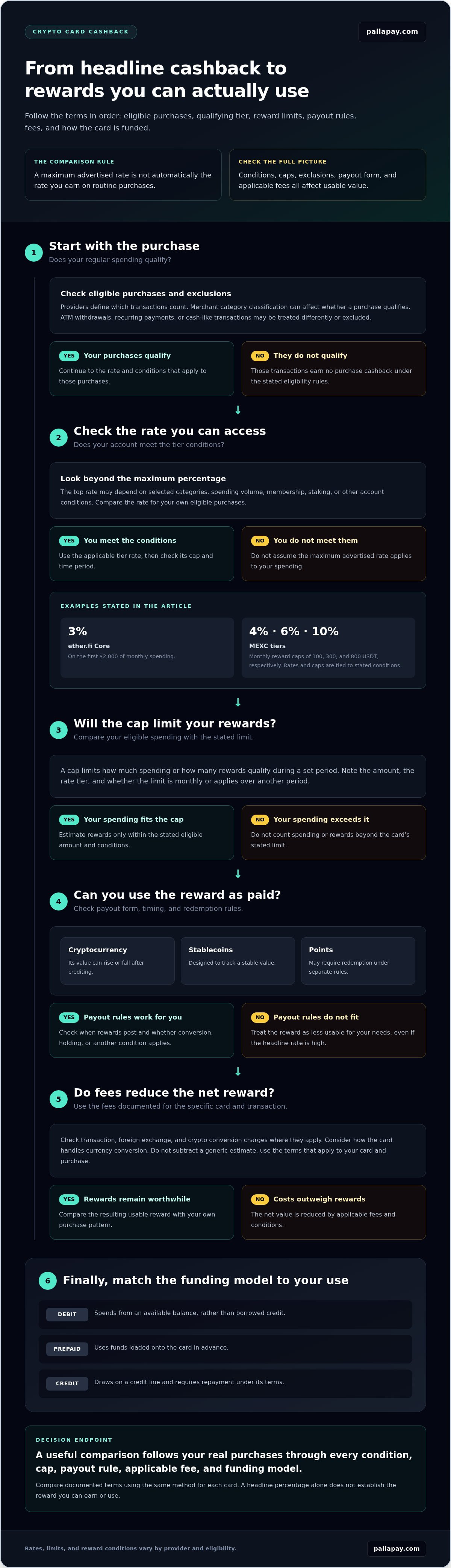
  • Is It Legal to Buy Crypto with Cash? The 2026 Compliance and Safety Guide

    Is It Legal to Buy Crypto with Cash? The 2026 Compliance and Safety Guide

    What if the most efficient path to digital wealth isn’t through a complex bank wire, but through the physical currency already in your hands? Many sophisticated investors feel a growing sense of friction when attempting to move traditional capital into the high-speed world of digital assets. One of the most pressing questions in the current market is: is it legal to buy crypto with cash? The answer is a definitive yes, provided you navigate the landscape with the same professionalism you apply to your market strategies.

    We understand the anxiety surrounding regulatory shifts and the fear of unverified peer-to-peer scams. You’re looking for a secure, compliant bridge that protects your privacy without stepping outside the law. This guide provides a comprehensive roadmap for executing secure trades in 2026, moving you from physical liquidity to digital capital with institutional reliability. You’ll discover how the right entry point can unlock the transformative potential of gold and USD CFD trading, allowing you to change your financial life through precise market execution.

    We’ll preview the essential compliance standards, verify the status of major global jurisdictions, and identify the regulated providers that offer the stability you need. By the end of this guide, you’ll have the confidence to move between fiat and crypto at the speed of global commerce.

    Key Takeaways

    • Confirm the regulatory framework that establishes exactly how is it legal to buy crypto with cash through registered Money Service Businesses in 2026.
    • Understand how utilizing cash-to-crypto transactions eliminates traditional banking delays, allowing for faster capital deployment into gold and USD CFD trading.
    • Identify the operational risks of unverified P2P networks and learn why physical, regulated OTC desks are the definitive choice for secure high-value exchanges.
    • Master the step-by-step compliance process for 2026, including the necessary identification and digital wallet preparation required for professional-grade trades.
    • Discover how Pallapay serves as a sophisticated institutional bridge, facilitating seamless global access to the liquidity needed for transformative forex and leverage trading.

    Understanding the Legality of Cash-for-Crypto Transactions

    The question of whether is it legal to buy crypto with cash often stems from a misunderstanding of how modern financial regulations function. In 2026, the global consensus has shifted. Regulators don’t view cash transactions as inherently illicit; instead, they treat them as a specific category of exchange that requires institutional oversight. For the professional trader, walking into an office to convert physical currency into digital assets is now a standard operational procedure. It’s not a legal gray area, but a highly structured financial service that bridges the gap between physical liquidity and digital markets.

    The distinction between private transactions and illegal anonymity is vital. While the decentralized nature of blockchain offers privacy, the entry and exit points are governed by global cryptocurrency regulations. These rules ensure that legitimate capital can flow freely while blocking bad actors. By using a regulated desk, you’re not just buying an asset; you’re securing a compliant audit trail for your future forex or gold CFD trading activities. This transparency is what allows for the seamless transformation of your financial life without the fear of regulatory crackdowns.

    The Role of MSB Registration and AML Compliance

    Legality in North America is anchored by Money Service Business (MSB) registrations. In the United States, FinCEN oversees these entities, while Canada relies on FINTRAC. These designations are non-negotiable for any reputable provider. They mandate strict Anti-Money Laundering (AML) protocols that protect both the buyer and the platform. These protocols are the backbone of institutional financial reliability, ensuring every dollar entered into the ecosystem is accounted for.

    Even in cash transactions, “Know Your Customer” (KYC) requirements apply to ensure transparency. Under current 2026 standards, the FinCEN “Travel Rule” requires information collection for transactions equal to or exceeding $3,000. Additionally, Currency Transaction Reports (CTRs) are filed for cash amounts exceeding $10,000, and Suspicious Activity Reports (SARs) are triggered for transactions involving $2,000 or more. These steps don’t hinder your trade; they validate it. They provide the institutional reliability needed to eventually move funds through a crypto offramp back to traditional systems without friction.

    Global Jurisdictions: Where Cash is Legal for Crypto

    The legal landscape varies but generally favors regulated access. In North America and Europe, the focus has moved from banning cash trades to institutionalizing them. Singapore and Istanbul have emerged as major hubs where physical exchange desks operate under clear licensing frameworks. These jurisdictions recognize that physical cash remains a vital tool for financial inclusion and immediate capital deployment.

    A common misconception is that strict regulation equals a ban. In reality, the 2025 GENIUS Act in the U.S. and similar global frameworks have provided the clarity that professional investors craved. By 2026, the shift toward regulated Over-the-Counter (OTC) desks has marginalized unverified P2P networks. These desks offer a secure environment for high-volume traders who need immediate liquidity to capitalize on fast-moving gold and USD CFD markets. This evolution ensures that as you scale your trading operations, your entry and exit points remain as professional as your strategy.

    Why Professional Investors Choose Cash for Digital Assets

    Efficiency is the ultimate currency in high-stakes trading. While digital transfers remain common, professional investors often ask, “is it legal to buy crypto with cash” to bypass the inherent friction of the legacy banking system. Traditional wire transfers can take three to five business days to clear, a delay that’s unacceptable when gold (XAUUSD) or major currency pairs are showing volatile, profitable setups. Cash provides instant settlement, allowing you to convert physical liquidity into digital capital at the speed of the global market. This immediate access to liquidity can be the difference between capturing a market breakout and missing a transformative financial opportunity.

    Beyond speed, mitigating bank-imposed restrictions is a primary driver for cash-based entry. Many traditional institutions still flag or freeze accounts associated with digital asset exchanges, creating significant operational risk. By using cash entry points, you decouple your primary banking activities from your trading capital. This strategic separation ensures that a single flagged transaction doesn’t paralyze your entire financial life. It allows you to maintain a lean digital footprint while focusing on the mechanics of USD CFD trading and wealth accumulation.

    Financial Inclusion and the Unbanked Population

    Transitioning economies often lack the robust banking infrastructure required for seamless digital asset access. Cash-to-crypto bridges allow these individuals to participate in global markets and remittance channels without relying on a traditional bank account. This accessibility facilitates the movement of value across borders with minimal friction, supporting those who are traditionally excluded from institutional finance. In 2026, cash entry points empower the unbanked by providing direct, secure access to decentralized financial tools and stablecoin-backed wealth preservation.

    Privacy vs. Anonymity: The Strategic Advantage

    Professional investors understand that financial privacy is a core tenet of risk management, not a veil for illicit activity. There’s a clear distinction between legal financial privacy and illicit anonymity. Keeping your trading activities separate from your daily banking protects your sensitive data from unnecessary exposure and reduces the risk of targeted account freezes. While state-level crypto legislation continues to evolve, the demand for secure, private entry points remains constant among high-net-worth individuals.

    This strategic approach to liquidity management is what separates retail speculators from professional traders. For those looking to exit the market with the same level of efficiency, utilizing a reliable crypto offramp ensures your digital gains are converted back to fiat without the typical institutional delays. By mastering these entry and exit points, you position yourself to navigate the forex and commodity markets with the agility of a global industry leader.

    Is It Legal to Buy Crypto with Cash? The 2026 Compliance and Safety Guide

    Regulated OTC Desks vs. P2P: Mitigating Risks and Scams

    The distinction between a secure financial operation and a high-risk gamble often comes down to the venue of exchange. While the question of is it legal to buy crypto with cash is answered with a yes, the safety of that transaction depends entirely on whether you utilize a regulated institution or an unverified peer-to-peer (P2P) network. Serious investors who are looking to fund high-stakes gold and USD CFD trading accounts cannot afford the operational risks associated with unregulated channels. Professionalism in the entry point ensures that your capital remains secure as it transitions into the digital ecosystem.

    By 2026, the marketplace has matured, yet unverified P2P forums still exist, often promising “no-KYC” transactions that are frequently traps for the unwary. These unregulated meetups bypass the essential protections outlined in FinCEN’s official guidance on cryptocurrency regulations. Without these safeguards, you’re not just risking your privacy; you’re risking the total loss of your physical capital with zero legal recourse. Institutional-grade trading requires an institutional-grade entry point.

    The Dangers of the “Local Meetup” Model

    The “local meetup” model is a relic of the early, unregulated days of crypto. These transactions carry significant physical security risks, including the potential for theft or the receipt of fraudulent tokens. In an unverified P2P setting, there’s no way to confirm the source of funds or the legitimacy of the counterparty. If a trade goes wrong, there’s no compliance officer to call and no transaction record to present to authorities. 2026 regulations have largely moved the professional market toward physical desks because the “parking lot” model simply doesn’t meet the standards of modern commerce.

    Institutional OTC: The Secure Alternative

    Regulated Over-the-Counter (OTC) desks provide a secure, physical environment that mirrors the stability of a traditional financial institution. These desks are designed to handle high-volume trades, often exceeding $50,000, which are far beyond the limits of typical Bitcoin ATMs. When you step into a professional office, you’re dealing with a registered entity that prioritizes your safety and compliance. This level of security is essential for traders who view crypto as a high-speed vehicle for wealth creation through forex and commodity markets.

    A professional desk doesn’t just facilitate the buy; it supports the entire lifecycle of your investment. This includes a reliable process for off-ramping crypto to fiat when you’re ready to realize your gains. Before committing your cash, use this safety checklist:

    • Verify MSB Status: Ensure the provider is registered with FinCEN or FINTRAC.
    • Physical Presence: Only deal with entities that have established, professional office locations.
    • Transparent Process: Avoid any provider that asks for “parking lot” meetups or uses encrypted messaging apps for final settlements.
    • KYC Requirements: A legitimate provider will always ask for identification to comply with global AML standards.

    Choosing a regulated partner allows you to focus on the transformative potential of your trading strategy. You’ll move from physical liquidity to digital assets with the speed and security required to dominate the XAUUSD and USD CFD markets.

    How to Safely Execute a Cash-to-Crypto Purchase in 2026

    Confirming that is it legal to buy crypto with cash is only the first step in a professional investment strategy. To transform your financial life through gold and USD CFD trading, you must execute your entry with precision. A safe transaction isn’t a matter of luck; it’s the result of following a standardized, institutional workflow. By adhering to these steps, you ensure your physical liquidity is converted into digital capital without the risks of loss or regulatory friction.

    Step 1: Verify Provider Credentials

    Professionalism begins with verification. Before you visit an office, confirm the provider holds active Money Service Business (MSB) registrations with authorities like FinCEN in the USA or FINTRAC in Canada. Legitimate entities operate from established business hubs in cities like Singapore or Istanbul, providing a stable environment for high-value exchanges. You should always demand a formal receipt or transaction record. If a provider refuses to document the exchange, they aren’t a partner; they’re a liability. This documentation is essential for maintaining the clean audit trail required for future forex and commodity market operations.

    Step 2: Wallet Preparation and Security

    Your security infrastructure must be ready before you arrive at the exchange desk. We recommend using a non-custodial wallet to maintain full control over your private keys. Prioritize securing your crypto wallet by using hardware-based solutions for large-scale purchases. In the world of digital assets, a single mistyped character in your receiving address is the difference between a successful trade and a total loss of capital. Always verify the network compatibility of your address, especially when converting cash into USDT or Ethereum, to avoid irreversible errors.

    Step 3: The Physical Exchange Process

    The question of is it legal to buy crypto with cash is often followed by concerns about the actual process of the trade. Entering a professional OTC desk feels similar to visiting a private bank. You’ll present your identification to comply with the $3,000 Travel Rule or the $10,000 Currency Transaction Report requirements. A specialized teller will facilitate the transfer, calculating the exchange rate and fees transparently before any money changes hands. Once the cash is counted, the teller initiates the blockchain transfer. Do not leave the office until you receive a valid transaction hash (TXID). This hash is your immutable proof on the ledger that the funds are moving to your control. This process ensures you have the immediate liquidity needed to capitalize on real-time movements in the gold (XAUUSD) markets.

    Ready to move your capital into a more agile financial environment? You can convert crypto to fiat instantly through our regulated channels to maintain your trading momentum.

    Pallapay: Your Secure Bridge for Global Cash-to-Crypto Exchanges

    Professional traders often ask is it legal to buy crypto with cash because they require a high-velocity entry point that bypasses the limitations of retail-grade tools. While Bitcoin ATMs serve a purpose for small transactions, they rarely accommodate the institutional volume needed for significant market plays. Pallapay serves as a sophisticated strategic partner, providing a regulated bridge between physical liquidity and the digital assets required to dominate gold and USD CFD markets. By operating as a registered Money Services Business (MSB) in both the USA and Canada, we offer the institutional financial reliability that serious investors demand.

    Reliability in 2026 is defined by the ability to move capital without friction across borders. We provide the infrastructure for high-volume cash trades that allow you to fund your accounts and capitalize on XAUUSD price movements in real time. This capability ensures that your trading strategy is never hampered by the $500 daily limits typical of unregulated channels or basic ATM hardware. Instead, you gain access to a professional environment where liquidity is deep and execution is immediate.

    Regulated Excellence Across 180 Countries

    Global reach is essential for the modern trader. We maintain a physical presence in over 180 countries, excluding restricted zones, with key hubs in financial centers like Singapore and Istanbul. These locations provide secure, professional trading environments where you can execute large-scale cash-to-crypto exchanges with absolute confidence. Our commitment to global compliance, including strict adherence to FinCEN and FINTRAC standards, ensures that every transaction is fully documented and legally sound.

    This dedication to compliance doesn’t just benefit individual traders; it supports the growth of the broader retail and e-commerce industries. By providing a secure way to move between fiat and digital assets, we facilitate the global evolution of commerce. Whether you are an individual looking to change your financial life through leverage trading or a business seeking to integrate digital payments, our ecosystem provides the necessary stability and speed.

    Beyond the Exchange: The Pallapay Ecosystem

    Our services extend far beyond the initial cash transaction. Once you’ve secured your digital assets, the Pallapay Mastercard allows you to utilize your trading gains for real-world expenses with ease. This creates a seamless loop where you can move from cash to crypto for trading gold CFDs, and then back to a spendable format without waiting for traditional banking settlement periods. For businesses looking to scale, our API integrations for crypto payments provide a direct path to modernizing financial operations.

    The transformative potential of trading is realized when you have the right tools to manage your capital. By choosing a partner that prioritizes safety, speed, and institutional reliability, you position yourself at the forefront of the financial evolution. Don’t let legacy banking delays or unregulated risks slow your progress. Buy Bitcoin with Cash Securely at Pallapay and take control of your financial future today.

    Mastering Your Transition to Modern Liquidity

    The journey from physical capital to digital assets is no longer a path of uncertainty. We’ve established that is it legal to buy crypto with cash when you partner with institutional-grade providers that prioritize global compliance. By choosing regulated OTC desks over unverified P2P networks, you protect your capital from operational risks and ensure a clean audit trail. This secure entry point is the foundation for a transformative financial life, providing the immediate liquidity required for high-stakes gold and USD CFD trading.

    Since 2018, Pallapay has served as a professional bridge for investors seeking stability in a fast-moving market. As an MSB-registered entity in both the USA and Canada, we operate physical OTC desks in global hubs like Singapore and Istanbul to facilitate your growth. This integrated ecosystem allows you to move with the speed of the market, turning physical liquidity into the digital fuel needed for sophisticated leverage trading and wealth accumulation.

    Your success in the forex and commodity markets depends on the reliability of your entry and exit points. Take the definitive step toward professional financial empowerment. Securely Buy or Sell Crypto with Cash at Pallapay and begin your evolution today.

    Frequently Asked Questions

    Is it legal to buy Bitcoin with cash in the United States?

    Yes, it’s entirely legal to purchase Bitcoin with physical currency as long as you utilize a registered Money Services Business (MSB). These entities are regulated by FinCEN and adhere to the same anti-money laundering protocols as traditional financial institutions. Using a professional desk ensures your transaction is documented and compliant, allowing you to focus on the transformative potential of gold and USD CFD trading.

    Do I need to provide ID to buy crypto with cash at an OTC desk?

    Yes, identifying yourself is a mandatory requirement for all regulated OTC desks to comply with “Know Your Customer” (KYC) standards. Under the FinCEN Travel Rule, financial institutions must collect customer information for transactions equal to or exceeding $3,000. Providing a valid ID validates the legality of your trade and protects your capital from being flagged by global regulatory bodies.

    What are the limits for cash-to-crypto transactions in 2026?

    Transaction limits vary based on the provider’s registration and your specific verification level. While Bitcoin ATMs often cap unverified users at $500 to $1,000 per day, professional OTC desks can facilitate much higher volumes for institutional clients. It’s important to remember that any cash transaction exceeding $10,000 requires the filing of a Currency Transaction Report (CTR) to remain fully compliant with federal law.

    Is buying crypto with cash safer than using a credit card?

    Cash transactions offer a strategic advantage by decoupling your primary banking activities from the digital asset market. Many credit card issuers flag or block crypto-related purchases, which can lead to account freezes or unexpected delays. Using cash at a physical desk provides instant settlement and eliminates the risk of card fraud or restrictive banking policies on your trading capital.

    Can I buy USDT or Ethereum with cash at Pallapay offices?

    Yes, you can purchase USDT, Ethereum, and Bitcoin directly with cash at our global physical locations. These assets provide the necessary liquidity to engage in advanced financial strategies, such as gold and USD CFD trading. Our desks offer the security and speed required for large-scale exchanges that traditional retail platforms simply can’t facilitate.

    How long does it take for a cash-to-crypto transaction to confirm?

    Most transactions confirm within 10 to 30 minutes, depending on the current congestion of the specific blockchain network. Once the physical exchange is completed at the desk, our tellers initiate the digital transfer immediately. You’ll receive a transaction hash (TXID) that allows you to monitor the progress on the ledger in real-time until the assets are secured in your wallet.

    Are there tax implications for buying cryptocurrency with cash?

    Purchasing cryptocurrency isn’t typically a taxable event, but selling or trading those assets later usually triggers capital gains obligations. Whether you’re funding a forex account or trading commodity CFDs, you’re responsible for reporting gains to your local tax authority. Maintaining the receipts provided by a regulated OTC desk is essential for accurate record-keeping and proving the cost basis of your digital assets.

    What should I do if a cash crypto provider does not ask for KYC?

    You should avoid any provider that bypasses mandatory KYC requirements, as this indicates the entity isn’t a registered MSB. Operating without proper identification puts your capital at risk of being seized or lost in a scam. To ensure your trading remains secure, only deal with institutions that follow established global standards for financial transparency and reporting.

    Disclaimer

    The information provided on this website and blog is for general informational and educational purposes only and does not constitute financial, investment, legal, tax, or other professional advice.
    Cryptocurrency and digital asset services may be subject to regulatory restrictions in certain jurisdictions. Users are solely responsible for ensuring compliance with applicable local laws and regulations before using any products or services mentioned on this website.
    PallaPay does not guarantee the accuracy, completeness, or timeliness of any information published and accepts no liability for any loss or damages arising from reliance on the content. Any opinions expressed are those of the respective authors and may change without notice.
    Certain services, features, or products referenced may be provided through third-party partners, licensed entities, or affiliated service providers subject to separate terms and regulatory approvals. Availability of services may vary by country or region.
    This website may contain references to digital assets, virtual currencies, or blockchain-related services that are not available to residents of certain jurisdictions, including where prohibited by law. Nothing on this website constitutes an offer, solicitation, or recommendation to buy or sell any financial instrument or virtual asset.

  • How to Avoid Crypto Scams in 2026: The Definitive Security Guide

    How to Avoid Crypto Scams in 2026: The Definitive Security Guide

    Losses from AI deepfake scams reached $577 million in the first quarter of 2026 alone, proving that yesterday’s security habits won’t protect your capital today. You’ve likely felt the persistent anxiety that comes with irreversible transactions, especially as illicit crypto volume hit $158 billion last year. It’s difficult to maintain confidence when realistic AI impersonations and shifting global regulations create a constant state of uncertainty. Mastering how to avoid crypto scams 2026 is no longer a luxury; it’s a fundamental requirement for anyone looking to bridge the gap between digital innovation and institutional financial stability.

    This guide empowers you to utilize the latest security protocols and identify sophisticated fraud before it impacts your portfolio. You’ll learn to use institutional-grade strategies to protect your digital wealth and verify the legitimacy of any platform you engage with. We provide a clear checklist for platform verification and explain how to find a regulated partner for large transactions, ensuring you can convert crypto to USD or EUR with absolute certainty.

    Key Takeaways

    • Identify the shift from simple phishing to sophisticated AI-augmented social engineering that can bypass traditional video identity verification.
    • Learn how to avoid crypto scams 2026 by recognizing the red flags of fake investment platforms and malicious smart contract approval permissions.
    • Establish a verification framework centered on regulatory compliance, specifically looking for Money Services Business registrations in jurisdictions like the US and Canada.
    • Strengthen your defense by implementing hardware-based security keys and processing all high-volume transactions through regulated off-ramps for secure fiat settlement.
    • Discover how bridging high-tech payment APIs with physical OTC exchange reliability creates a secure environment for converting digital assets to cash.

    The Evolution of Cryptocurrency Fraud in 2026

    The year 2026 marks a decisive shift in the digital threat landscape. Traditional phishing attempts have largely been replaced by sophisticated, AI-augmented social engineering. Understanding The Evolution of Cryptocurrency Fraud is the first step in protecting your capital. Scammers no longer rely on misspelled emails or obvious fake websites. They use massive datasets and automation to build institutional-grade trust. Blockchain transparency, once hailed as a security feature, has become a double-edged sword. Malicious actors now use public ledger data to identify high-value targets and tailor their attacks with surgical precision. To survive this environment, you must adopt institutional security as your primary defense. This involves moving away from retail-grade habits and embracing the same rigorous standards used by global financial leaders.

    AI-Powered Deepfakes and Synthetic Identities

    Scammers now utilize real-time voice and video cloning to impersonate senior exchange staff or trusted financial advisors. These deepfakes are convincing enough to bypass standard video KYC protocols, making it difficult to distinguish between a legitimate request and a fraudulent one. If you receive an urgent video call regarding your account, don’t trust the visual evidence alone. Always use a secondary, out-of-band confirmation method, such as calling a verified number found on the official platform. This is a critical component of how to avoid crypto scams 2026. We are also seeing the rise of “Pig Butchering 2.0,” where AI-generated personas build long-term relationships on professional networks to lure victims into fraudulent liquidity pools with promises of guaranteed returns.

    The Vulnerability of Unregulated P2P Networks

    Unregulated peer-to-peer (P2P) platforms have become high-risk zones in 2026. Chargeback fraud is rampant; a buyer sends fiat currency and then reverses the transaction once the crypto is released. Additionally, the danger of “tainted” coins is higher than ever. Swapping assets with unknown parties can lead to your account being frozen by major exchanges due to anti-money laundering (AML) flags. To mitigate these risks, users should utilize a secure crypto to fiat settlement process through regulated entities. Moving your operations to a professional off-ramp ensures that your assets remain compliant. It guarantees that your liquidity is never compromised by the illicit activities of anonymous third parties.

    Identifying the 4 Most Prevalent Crypto Scams Today

    Protecting your digital wealth in 2026 requires more than just a strong password. You must recognize the specific mechanics of modern fraud. Scammers have refined their methods, moving away from obvious traps toward high-fidelity replicas of legitimate services. Identifying Prevalent Crypto Scams is essential for anyone managing significant digital assets. By understanding these four primary threat vectors, you can develop a proactive defense strategy. Learning how to avoid crypto scams 2026 starts with a healthy skepticism of any offer that bypasses standard market logic.

    The “Guaranteed Return” Trap

    Legitimate financial platforms don’t offer fixed, high-yield returns in a volatile market. If a service promises a specific percentage of ROI regardless of market conditions, it’s a red flag for a Ponzi scheme. These platforms often survive by requiring you to recruit new participants to unlock your own funds. This mechanic is a cornerstone of modern financial fraud. Pig butchering is a long-term psychological manipulation tactic where scammers build emotional rapport over months before suggesting a fraudulent investment. Don’t let the professional appearance of these platforms distract you from the absence of actual liquidity or regulatory oversight.

    Smart Contract Approval Risks

    One of the most dangerous technical threats involves the “unlimited allowance” permission. When you connect your crypto wallet to a malicious decentralized application (DApp), a single approval can grant the contract permission to drain your entire balance. Scammers hide these permissions in complex code that looks like a standard transaction. It’s vital to use auditing tools to regularly review and revoke smart contract permissions. You should also maintain a strict separation between your “hot” wallets used for DApp interactions and your “cold” wallets used for long-term storage. If you need to convert large amounts of digital assets, using a regulated crypto offramp is significantly safer than interacting with unverified smart contracts.

    Impersonation scams have also evolved to target professional users. Fraudsters now pose as official Money Services Business (MSB) agents or fake regulatory bodies, often sending “compliance notices” to induce panic. They use these high-pressure tactics to trick you into transferring funds to “secure” accounts. Additionally, malicious DApps are frequently promoted through social media ads, appearing as innovative new protocols. Always verify the source code and community reputation of any DApp before granting it any level of access to your assets. A secure ecosystem relies on your ability to verify every transaction at the protocol level.

    How to Avoid Crypto Scams in 2026: The Definitive Security Guide

    The Anatomy of a Secure Crypto Exchange: Verification Framework

    Identifying a secure partner in 2026 requires a fundamental shift in perspective. You aren’t just looking for a digital interface; you’re vetting a global financial technology provider. This verification framework serves as the definitive answer to how to avoid crypto scams 2026. Institutional legitimacy is built on a foundation of regulatory compliance and physical accountability. While online-only platforms often operate in jurisdictional shadows, a secure exchange maintains a transparent, multi-layered presence that bridges the gap between digital assets and traditional commerce. High-volume traders must prioritize platforms that treat security as a procedural flow rather than a static feature.

    Regulatory compliance is the primary indicator of safety. Money Services Business (MSB) registration is the gold standard because it forces a platform to adhere to strict Anti-Money Laundering (AML) and Know Your Customer (KYC) protocols. These aren’t just bureaucratic hurdles; they are essential barriers that prevent illicit actors from entering the ecosystem. Platforms that offer “No-KYC” services may seem convenient, but they represent a massive security risk. Without these safeguards, you’re transacting in an environment where your assets could be frozen due to association with tainted liquidity.

    Verifying Regulatory Credentials

    You can cross-reference a platform’s legitimacy by checking official government databases. In the United States, verify the MSB registration through the Financial Crimes Enforcement Network (FinCEN). As of June 2026, Pallapay LLC is registered under number 31000315326622. Similarly, in Canada, you should check the Financial Transactions and Reports Analysis Centre (FINTRAC). Verifying these credentials ensures the entity is subject to federal oversight. A global presence in established financial hubs like Singapore or Istanbul indicates institutional stability and a commitment to long-term operations. This geographic diversity suggests the platform is not a “fly-by-night” operation designed to disappear after a liquidity event.

    Physical OTC Desks vs. Online-Only Exchanges

    Physical presence provides a level of security that digital-only platforms cannot replicate. Over-the-Counter (OTC) desks in major financial centers allow for face-to-face high-volume transactions in secure, professional environments. This physical touchpoint significantly mitigates the risk of account-takeover fraud and social engineering. When you interact with a professional OTC manager, you’re guided through a secure trade process that prioritizes your capital’s safety. Utilizing a regulated crypto offramp with physical locations ensures that large-scale trades are handled with institutional precision. This approach provides a reliable bridge for converting digital wealth into fiat currency without the friction or uncertainty of unverified online swaps.

    5 Essential Steps to Secure Your Digital Assets

    Securing digital wealth in 2026 requires a shift from passive awareness to active, institutional-grade defense. Understanding how to avoid crypto scams 2026 is only the first step; you must implement a rigorous technical framework to protect your liquidity. This process involves eliminating single points of failure and ensuring every transaction occurs within a regulated ecosystem. By adopting these five essential steps, you can bridge the gap between high-tech innovation and traditional financial reliability. Proactive security is the only way to maintain absolute control over your digital capital.

    Start by implementing hardware-based security for all account access. Move beyond standard authentication methods and use physical security keys to prevent unauthorized entry. Whitelisting withdrawal addresses is another critical layer. By restricting where your funds can be sent, you ensure that even if a breach occurs, the capital remains within your controlled network. You should also conduct periodic security audits to review wallet permissions and disconnect any devices or DApps that are no longer in active use. This prevents “approval bloat” from becoming a backdoor for malicious smart contracts.

    Advanced 2FA and Multi-Signature Wallets

    SMS-based 2FA is completely obsolete in 2026 due to the prevalence of sophisticated SIM swapping attacks. You should replace these with app-based or hardware authenticators that provide a secure, encrypted link to your identity. For business accounts or large holdings, multi-signature wallets are essential to prevent a single-point-of-failure by requiring multiple approvals for a single transaction. Cold storage is the offline preservation of private keys, ensuring your primary assets are never exposed to the internet. This physical separation is the most effective defense against remote hacking attempts.

    Secure Off-Ramping and Fiat Conversion

    The final stage of any trade is often the most vulnerable. Utilizing unverified crypto off-ramps can lead to bank account flags and permanent fund freezes if the liquidity source is untraceable. You must ensure your crypto to fiat settlement is compliant with global financial standards and processed through official channels. Regulated platforms provide a professional bridge that connects your digital assets to official bank transfers without the risk of regulatory scrutiny. This ensures that your wealth transition is both fast and legally sound.

    For institutional-grade liquidity and safety, you can securely sell crypto to bank through our regulated global network, ensuring every transaction meets the highest security standards.

    The Pallapay Standard: Secure, Regulated, and Global

    Pallapay represents the definitive destination for users seeking to implement the security frameworks discussed throughout this guide. Choosing a regulated partner is the most effective strategy for how to avoid crypto scams 2026. Our commitment to safety is evidenced by our active Money Services Business (MSB) registrations in key global jurisdictions. In the United States, Pallapay LLC is registered with FinCEN under number 31000315326622. In Canada, Pallapay Ltd. maintains its registration with FINTRAC under number M23088601. These credentials ensure that every transaction occurs within a framework of federal oversight and institutional accountability, providing the stability that professional traders require.

    Our global ecosystem merges disruptive innovation with the reliability of established commerce. We provide a comprehensive suite of tools, from high-tech payment APIs to the physical reliability of our OTC desks. This multi-layered approach ensures that high-volume institutional and retail trades are handled with absolute precision. By integrating these services, we eliminate the friction often found in fragmented digital asset platforms. The result is a secure, utility-focused environment where your digital wealth is treated with the same rigor as traditional financial assets.

    Institutional Grade Security for Every User

    The integrity of our ecosystem is maintained through rigorous KYC and AML protocols. These procedures are active defenses that protect our users from the illicit liquidity and “tainted” coins that often plague unregulated P2P networks. Our secure crypto POS infrastructure also allows merchants to accept digital payments with the same confidence as traditional fiat transactions. For those managing significant capital, our Institutional OTC Guide provides deeper insights into maintaining safety during large-scale operations. We don’t just provide tools; we act as a strategic partner in your financial growth.

    Bridging Fiat and Crypto with Absolute Trust

    Pallapay serves as the professional bridge between established financial practices and modern technological advancements. As a regulated financial technology provider, we offer instant conversion to USD, EUR, and other major global currencies through secure, verified channels. The Pallapay Mastercard further enhances this security by providing a friction-less way to spend your digital assets globally without exposing your primary holdings to unverified third-party applications. This creates a closed-loop environment where your wealth remains protected at every touchpoint. The momentum of the digital economy requires a partner that facilitates real-time operations without compromising safety. Join a secure ecosystem—Explore Pallapay services today.

    Securing Your Position in the Future of Finance

    The transition toward an AI-augmented threat landscape demands a move away from retail-grade security habits. Trust is built on accountability. You’ve learned that hardware-based authentication and the verification of institutional credentials are now mandatory requirements for asset protection. Implementing these rigorous protocols is the definitive strategy for how to avoid crypto scams 2026 while maintaining global liquidity. By prioritizing regulated partners with a physical presence, you eliminate the jurisdictional uncertainty that fraudsters exploit.

    Pallapay provides the professional bridge you need to operate with absolute trust. As a regulated financial technology provider with MSB registrations in the USA and Canada, we maintain the highest standards of compliance. Our physical OTC desks in Singapore and Istanbul offer secure environments for high-volume transactions. This ensures your wealth remains protected at every step of the conversion process.

    Secure your assets with a regulated global leader; start with Pallapay.

    The digital economy is evolving rapidly. Your security doesn’t have to be a source of anxiety. With the right strategic partner and institutional-grade protocols in place, you can grow your portfolio with confidence and stability.

    Frequently Asked Questions

    How can I tell if a crypto investment platform is a scam in 2026?

    Look for “guaranteed” returns and a lack of verifiable regulatory credentials. Legitimate platforms in 2026 never promise fixed ROI in volatile markets. You should verify the entity’s MSB registration number through official government databases like FinCEN. Learning how to avoid crypto scams 2026 involves scrutinizing the platform’s physical presence and its history of third-party audits. If the platform pressures you to recruit others, it’s likely a Ponzi scheme.

    Is it safe to use P2P exchanges for large cryptocurrency trades?

    Peer-to-peer exchanges carry significant risks in 2026, including chargeback fraud and exposure to “tainted” assets. High-volume traders should prioritize regulated OTC desks instead of anonymous P2P swaps. These professional environments provide a secure bridge between digital assets and fiat currency. Using a regulated off-ramp ensures your transactions comply with global AML standards, preventing your bank account from being flagged or frozen due to suspicious liquidity sources.

    What should I do if I think my crypto wallet has been compromised?

    Act immediately by transferring any remaining assets to a fresh, hardware-secured wallet. You must also use a decentralized auditing tool to revoke all smart contract permissions and “unlimited allowances” associated with the compromised address. Change all passwords for linked exchange accounts and enable hardware-based 2FA. Reviewing your security logs for unauthorized device access is a critical step in understanding how to avoid crypto scams 2026 and preventing future breaches.

    Why is MSB registration important when choosing a crypto exchange?

    MSB registration signifies that a platform is a regulated financial technology provider subject to federal oversight. It forces the exchange to implement rigorous KYC and AML protocols, which protect the integrity of the entire ecosystem. Choosing an MSB-registered partner ensures your capital is handled with institutional-grade accountability. This registration provides a verifiable trail of legitimacy that distinguishes professional global leaders from high-risk, unregulated entities operating in jurisdictional shadows.

    Can AI deepfakes really bypass exchange security measures?

    Sophisticated deepfakes can impersonate users during video KYC or simulate support staff in real-time calls. Scammers use these synthetic identities to gain unauthorized access or trick users into transferring funds. To defend against this, you should never rely on video evidence alone. Always implement a secondary, out-of-band confirmation method, such as a verified phone call or an encrypted message, before authorizing any high-value transaction or account change.

    What is the safest way to convert a large amount of crypto to cash?

    The safest method for high-volume conversion is using a regulated OTC exchange with physical offices. This approach allows for face-to-face transactions in secure environments, eliminating the risks associated with online-only swaps. Professional OTC managers guide you through the process, ensuring your crypto to bank transfer is processed through official financial channels. This institutional-grade path provides absolute certainty and prevents the liquidity issues common with unverified digital off-ramps.

    Are hardware wallets still the best way to store crypto in 2026?

    Hardware wallets remain the industry standard for cold storage by keeping private keys completely offline. They provide a physical layer of security that remote hackers cannot bypass. While hot wallets are useful for frequent DApp interactions, your primary digital wealth should always reside in a hardware-secured environment. Using physical security keys for two-factor authentication further strengthens your defense against the evolving social engineering tactics used by modern fraudsters.

    How does a regulated payment gateway protect my business from fraud?

    A regulated payment gateway implements real-time transaction monitoring and rigorous AML screening to identify illicit activity. It acts as a professional filter that prevents fraudulent liquidity from entering your business accounts. By utilizing secure APIs and crypto POS machines, you ensure that every customer payment is verified against global compliance standards. This institutional-grade protection allows your business to scale globally while maintaining the highest levels of financial stability and trust.

    Disclaimer

    The information provided on this website and blog is for general informational and educational purposes only and does not constitute financial, investment, legal, tax, or other professional advice.
    Cryptocurrency and digital asset services may be subject to regulatory restrictions in certain jurisdictions. Users are solely responsible for ensuring compliance with applicable local laws and regulations before using any products or services mentioned on this website.
    PallaPay does not guarantee the accuracy, completeness, or timeliness of any information published and accepts no liability for any loss or damages arising from reliance on the content. Any opinions expressed are those of the respective authors and may change without notice.
    Certain services, features, or products referenced may be provided through third-party partners, licensed entities, or affiliated service providers subject to separate terms and regulatory approvals. Availability of services may vary by country or region.
    This website may contain references to digital assets, virtual currencies, or blockchain-related services that are not available to residents of certain jurisdictions, including where prohibited by law. Nothing on this website constitutes an offer, solicitation, or recommendation to buy or sell any financial instrument or virtual asset.
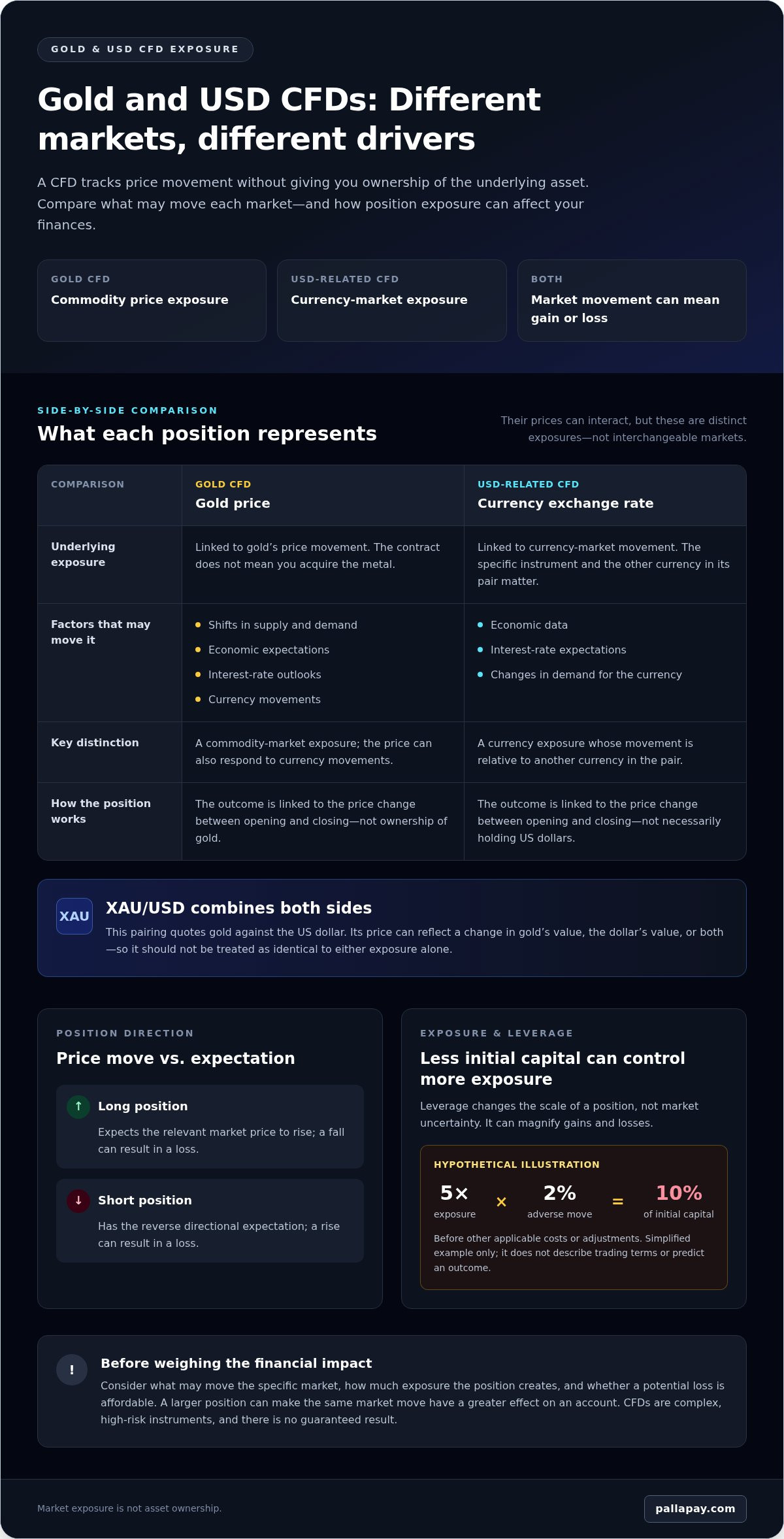
  • What Are the Risks of P2P Crypto Trading? A Comprehensive 2026 Guide

    What Are the Risks of P2P Crypto Trading? A Comprehensive 2026 Guide

    Did you know that crypto fraud losses reached an estimated $17 billion in 2025, with the average scam payment increasing by 253% in just one year? As you evaluate your liquidity options, understanding what are the risks of p2p crypto trading is no longer optional; it’s a critical requirement for financial security. You likely value the flexibility of peer-to-peer exchanges, yet the persistent fear of anonymous counterparties and the threat of bank account freezes can make every transaction feel like a high-stakes gamble.

    We understand that institutional reliability is the only acceptable standard for your capital. This comprehensive 2026 guide promises to identify the specific security and regulatory vulnerabilities inherent in P2P systems while providing actionable steps to protect your assets from AML red flags. We’ll analyze the mechanics of sophisticated scams and explore how the full implementation of the EU’s MiCA regulations on July 1, 2026, impacts your liquidity. Finally, you’ll discover how regulated OTC desks and instant fiat conversion tools provide a secure, professional bridge to the modern financial ecosystem.

    Key Takeaways

    • Identify the mechanics of “Triangle Scams” and sophisticated proof-of-payment fraud to prevent irreversible asset loss during direct exchanges.
    • Understand what are the risks of p2p crypto trading regarding bank account poisoning and why anonymous funds often trigger immediate AML alerts.
    • Evaluate the “Source of Funds” dilemma to ensure your digital asset activities do not compromise future banking audits or mortgage applications.
    • Discover why institutional traders are shifting toward regulated OTC crypto exchange services to bypass the complexities of manual counterparty vetting.
    • Learn how to utilize secure offramps and MSB-registered platforms to convert digital assets into fiat with absolute regulatory confidence.

    Understanding Peer-to-Peer (P2P) Crypto Trading in 2026

    Peer-to-peer (P2P) trading functions as a direct marketplace where individuals exchange digital assets without a centralized intermediary managing the order book. Unlike traditional platforms where the exchange acts as the counterparty, P2P services facilitate a direct connection between a “maker” who posts an advertisement and a “taker” who responds to it. While these platforms provide an escrow service to hold the assets during the trade, the actual transfer of fiat currency happens outside the platform’s direct control. In 2026, understanding what are the risks of p2p crypto trading is vital because the landscape has shifted from a niche alternative to a heavily scrutinized financial activity.

    The 2026 landscape is defined by a significant divergence between user autonomy and institutional oversight. With the full enforcement of the EU’s Markets in Crypto-Assets (MiCA) regulation as of July 1, 2026, the perceived anonymity of these exchanges has largely vanished. The “Travel Rule” now requires identifying data for most transfers, yet P2P remains popular for those seeking localized payment flexibility. The fundamental trade-off remains constant. You gain control over your payment methods and pricing, but you sacrifice the institutional-grade security and fraud protection found in regulated environments. This autonomy often comes at the cost of operational safety, placing the entire burden of counterparty verification on the individual trader.

    The Mechanics of Modern P2P Exchanges

    Smart contracts now power most escrow services, acting as a digital neutral party. When a trade begins, the seller’s cryptocurrency is locked in the contract. It’s only released when the buyer provides proof of payment and the seller confirms receipt in their bank account or digital wallet. However, this process isn’t infallible. Before you engage with these platforms, having a firm grasp on how to spend cryptocurrency safely is essential. You must understand how to verify transactions on the blockchain rather than relying solely on platform notifications. Scammers often exploit the gap between the digital asset release and the fiat payment confirmation, making technical literacy your first line of defense.

    Why Traders Accept the Risks

    The primary draw of P2P is the sheer variety of settlement options. Users can settle trades via local bank transfers, digital wallets, or even cash-in-person, which many decentralized exchanges and centralized platforms cannot support directly. This flexibility is a lifeline in regions where traditional banking infrastructure is restrictive or where users wish to set their own price spreads to maximize profit. Despite the utility, the question of what are the risks of p2p crypto trading persists because these custom payment flows are exactly where fraudsters find their openings. Traders often prioritize this immediate accessibility and the ability to avoid standard platform fees, even if it means navigating a market where impersonation scams grew by 1,400% in 2025 alone.

    Critical Security Threats: Common P2P Fraud Schemes

    Fraudsters in the peer-to-peer ecosystem don’t just steal assets; they engineer complex financial traps that exploit the gap between blockchain finality and banking reversals. When evaluating what are the risks of p2p crypto trading, you must recognize that your counterparty might be a professional syndicate using sophisticated social engineering. The “Triangle Scam” remains a primary threat. In this scenario, a fraudster acts as a middleman between a legitimate seller and an unsuspecting third party. The third party sends fiat to the seller, but the fraudster convinces the platform to release the crypto to their own wallet. This leaves the seller with “poisoned” fiat that is eventually flagged as fraudulent, often leading to a total bank account freeze.

    The “Overpayment Trap” is another high-level red flag that many professional traders overlook. If a buyer sends more fiat than the trade requires and requests a manual refund for the difference, they’re likely using a compromised account. Once the bank identifies the original transfer as unauthorized, the entire amount is reversed, leaving you at a loss for both the crypto and the “refunded” cash. With AI-enabled scams becoming 4.5 times more profitable than traditional methods in 2025, the speed and accuracy of these deceptive tactics have reached institutional levels of complexity.

    Chargeback and Payment Reversal Tactics

    The irreversible nature of blockchain transactions is a weakness when paired with reversible fiat payment methods. Scammers often use “Friendly Fraud” chargebacks, claiming unauthorized access to their digital wallets or credit cards after the crypto has been released from escrow. This creates a systemic vulnerability where the seller has no recourse. Maintaining rigorous crypto security means more than just protecting your private keys; it requires selecting payment channels that do not allow for easy reversals. Transitioning to a regulated crypto offramp can mitigate these reversal risks by utilizing secure, bank-grade settlement protocols.

    Identity Theft and Phishing

    Sharing sensitive KYC documents with unverified P2P counterparties opens the door to identity theft. Fraudsters often pose as platform support staff during a trade dispute, using deepfake technology to gain your trust and steal account credentials. These sophisticated impersonation scams grew by 1,400% in 2025, highlighting the danger of direct peer interaction. You can find more detailed guidance from the Canadian Investment Regulatory Organization on crypto asset risks, which emphasizes the dangers of unregulated trading environments. To avoid these pitfalls, professional traders are increasingly moving toward institutional platforms that handle all counterparty vetting internally, ensuring that your personal data never reaches a third party.

    What Are the Risks of P2P Crypto Trading? A Comprehensive 2026 Guide

    The Invisible Dangers: Regulatory and Banking Implications

    Beyond the immediate loss of assets, the most enduring damage often occurs within your traditional banking relationships. One of the most severe consequences of what are the risks of p2p crypto trading is bank account poisoning. This happens when you receive funds from a counterparty whose account is already flagged for suspicious activity. Your bank’s automated Anti-Money Laundering (AML) systems don’t distinguish between an innocent trader and a criminal accomplice; they simply freeze every account in the transaction chain. This often leads to a permanent blacklisting, effectively cutting you off from the global financial system without any clear path for appeal.

    Traditional lenders have also evolved their auditing processes for 2026. Many institutions won’t accept P2P transaction history as a valid “Source of Funds” during high-value applications like mortgages or business loans. Because the counterparty is anonymous, the bank can’t verify that the money didn’t originate from a high-risk source. This lack of transparency creates a legal vacuum. If a transaction goes wrong across international borders, you have zero legal recourse against an anonymous individual, leaving your capital and your reputation at significant risk.

    AML Compliance and the ‘Dirty Money’ Trail

    The role of blockchain forensics has grown exponentially, allowing banks to map the flow of digital assets directly to fiat transfers. If your P2P activity intersects with common P2P fraud schemes, the trail is permanent and public. Unverified P2P sellers often use these platforms to layer illicit funds, which puts you at direct legal risk for money laundering. Utilizing professional fiat settlement channels ensures that every transaction is documented and compliant, preserving your standing with legacy financial institutions and preventing the “dirty money” trail from touching your personal accounts.

    MSB Registration: Why Trading with Unregulated Entities Is Dangerous

    Unregulated P2P platforms often operate without Money Services Business (MSB) registrations, meaning they lack the consumer protection frameworks required by agencies like FinCEN in the US or FINTRAC in Canada. These platforms evade the strict capital requirements and insurance mandates that protect users in the event of a breach. There’s a fundamental difference between a “platform” that merely matches users and a “regulated provider” that takes legal responsibility for the trade. By choosing a regulated entity, you’re operating within a protected framework that prioritizes institutional financial reliability over the chaotic anonymity of the P2P market.

    Risk Mitigation Strategies vs. Professional OTC Desks

    While retail traders often rely on platform feedback scores to judge safety, these metrics are increasingly susceptible to manipulation by organized syndicates. Understanding what are the risks of p2p crypto trading requires a shift from reactive mitigation to proactive institutional security. Traditional P2P platforms place the entire burden of counterparty vetting on you, creating a high-friction environment where a single oversight can lead to total asset loss. In contrast, transitioning to a professional otc crypto exchange service removes the volatility of anonymous interaction by replacing unverified individuals with a regulated institutional counterparty.

    Professional mediation eliminates the threat of payment reversals because the desk acts as the definitive clearinghouse for both the digital asset and the fiat currency. This model provides the privacy you require without the legal exposure associated with anonymous transfers. By utilizing an established partner, you ensure that every transaction remains compliant with evolving global standards while benefiting from the speed and reliability of a dedicated financial infrastructure.

    Best Practices for Individual P2P Traders

    If you choose to operate within peer-to-peer markets, you must implement rigorous verification protocols that go beyond basic platform requirements. The inherent unpredictability of what are the risks of p2p crypto trading makes manual vetting an inefficient but necessary hurdle for those not yet using institutional desks. Follow these strict operational rules:

    • Identity Synchronization: Never accept payments from a bank account that doesn’t exactly match the name on the trader’s P2P profile.
    • Video Verification: Request a real-time video confirmation or a specific “proof of life” photo to ensure you aren’t communicating with a bot or a compromised account.
    • Exposure Management: Set strict daily transaction limits to minimize your financial vulnerability to any single counterparty or potential bank flag.

    Transitioning to Institutional-Grade Trading

    For high-volume investors and corporate entities, the friction of manual P2P vetting is no longer a viable business strategy. Professional desks provide fixed pricing and deep liquidity, eliminating the slippage and “taker” fees common on retail boards. You gain the support of a dedicated account manager who handles complex procedural flows, ensuring that your capital moves without the risk of being trapped in a platform dispute. Integrated crypto payment gateways offer a far more stable liquidity bridge than fragmented P2P markets. To secure your exit strategy with institutional-grade reliability, explore our secure crypto offramp solutions and experience the efficiency of regulated fiat settlement.

    Secure Digital Asset Management with Pallapay

    The systemic vulnerabilities of peer-to-peer markets require a more robust, institutional approach to liquidity. Pallapay provides a comprehensive ecosystem designed to eliminate the uncertainty of anonymous counterparty interaction. By operating as a regulated intermediary, we address the core question of what are the risks of p2p crypto trading by assuming the responsibility for security and compliance. Our platform functions as a professional bridge, ensuring that your capital remains protected within a framework built on institutional financial reliability.

    Reliability is grounded in regulatory transparency. Pallapay is registered with FinCEN in the United States and FINTRAC in Canada, providing a level of oversight that retail P2P platforms simply cannot match. This regulatory standing ensures that every transaction adheres to strict international standards, protecting you from the legal and financial fallout of unverified trading. We don’t just facilitate trades; we provide a secure environment where digital innovation meets established commerce.

    Compliance and Security as a Standard

    Our rigorous KYC and AML protocols serve as a definitive barrier against “poisoned” funds. By vetting every participant in our ecosystem, we prevent the illicit capital flows that often lead to bank account freezes in the P2P market. For high-value transactions, our physical OTC desks offer a secure environment for cash-to-crypto exchanges, providing the tactile security that digital-only platforms lack. You can manage these assets with absolute confidence using the Pallapay Wallet, which integrates seamlessly with our broader liquidity network to provide a unified financial experience.

    Efficient Off-Ramping for Global Users

    Converting digital wealth into usable fiat shouldn’t be a risk-laden process. Our dedicated off-ramp service allows you to convert crypto to fiat instantly, supporting major currencies including USD, EUR, GBP, and AED. This direct conversion path eliminates the need for untrusted third parties and ensures your bank receives funds from a verified, regulated source. Whether you need to sell Bitcoin for cash or convert USDT to USD, our system prioritizes speed and safety. Take the next step in securing your financial future by booking an OTC consultation to discuss high-volume asset exchange with our professional team.

    Securing Your Financial Path in the Digital Evolution

    The transition from fragmented peer-to-peer markets to institutional-grade liquidity is an essential step for any serious participant in the digital economy. We’ve explored how anonymous counterparties and banking “poisoning” can jeopardize your standing with traditional financial systems. While P2P offers flexibility, it lacks the structural safeguards necessary to protect high-value capital from sophisticated fraud. Fully understanding what are the risks of p2p crypto trading is the first step toward safeguarding your financial future. By choosing a partner that prioritizes regulatory transparency, you eliminate the operational friction that stalls progress.

    Pallapay stands as a definitive destination for those who demand stability. As an MSB registered entity in both the USA and Canada, we serve users across 180+ countries through a secure, integrated ecosystem. Our physical OTC desks in major international hubs provide the tactile reliability that anonymous platforms cannot replicate. Secure your large-scale trades with Pallapay’s regulated OTC desk to experience the efficiency of professional fiat settlement. Your journey toward secure, frictionless asset management starts with a partner you can trust. We’re here to empower your growth every step of the way.

    Frequently Asked Questions

    Is P2P crypto trading legal in most countries in 2026?

    Yes, P2P trading remains legal in most jurisdictions, but it is now subject to rigorous regulatory frameworks. In the European Union, the MiCA regulation requires service providers to hold specific authorizations, while the US and Canada mandate MSB registration. You should always verify your local laws, as some regions have restricted P2P activity to licensed institutional entities to prevent illicit financial flows.

    What should I do if my bank account is frozen after a P2P trade?

    Contact your bank’s compliance department immediately to request a formal reason for the administrative hold. You’ll need to provide comprehensive documentation, including trade receipts, platform communication logs, and proof of the digital asset’s origin. If the freeze is related to an AML flag from a counterparty, professional legal counsel specializing in digital finance is often necessary to resolve the inquiry.

    How can I tell if a P2P seller is using a fake identity?

    Ensure the name on the incoming bank transfer matches the platform’s verified profile name without any discrepancies. Be cautious of sellers who avoid video verification or operate high-volume accounts that were created very recently. Professional fraudsters often utilize “money mule” accounts, so a seller’s refusal to provide secondary business verification is a definitive red flag for identity fraud.

    Why is an OTC desk safer than a P2P platform for large transactions?

    An OTC desk replaces the uncertainty of an anonymous individual with the stability of a regulated institutional counterparty. This shift eliminates the core concerns of what are the risks of p2p crypto trading by providing fixed pricing and deep liquidity within a controlled environment. You aren’t hunting for a buyer; you’re engaging in a professional contract with an entity that assumes full operational responsibility.

    Can I reverse a crypto transaction if I get scammed on a P2P exchange?

    No, blockchain transactions are final and technically irreversible once they’re confirmed on the network. Neither the exchange nor a bank can “pull back” digital assets once they’ve been released from an escrow smart contract. This permanent nature is why vetting your counterparty through an institutional provider is the only reliable method to protect your capital from irreversible loss.

    What is the ‘Triangle Scam’ and how can I avoid it?

    This scheme involves a fraudster posing as a seller to one person and a buyer to you, effectively using a victim’s money to pay for your crypto. To avoid this, you must reject any payment that originates from a third-party bank account. Always insist that the fiat sender’s identity is identical to the person you’re communicating with on the trading platform to break the scam’s logic.

    Do I need to pay taxes on P2P crypto trades?

    Yes, most tax authorities treat the exchange of cryptocurrency for fiat as a taxable event that triggers capital gains or income tax obligations. You’re responsible for maintaining precise records of your acquisition costs and the final sale value for every trade. Failure to report these transactions can lead to significant penalties, especially as tax agencies now use advanced blockchain forensic tools for auditing.

    How does Pallapay ensure the safety of my cash-to-crypto transactions?

    Pallapay mitigates what are the risks of p2p crypto trading by acting as your direct, regulated counterparty rather than a mere matching service. We utilize institutional-grade KYC protocols and MSB registrations to ensure every transaction is compliant and secure. Our physical OTC desks provide a professional, monitored environment for high-value exchanges, ensuring that your cash-to-crypto transitions are handled with absolute financial reliability.

    Disclaimer

    The information provided on this website and blog is for general informational and educational purposes only and does not constitute financial, investment, legal, tax, or other professional advice.
    Cryptocurrency and digital asset services may be subject to regulatory restrictions in certain jurisdictions. Users are solely responsible for ensuring compliance with applicable local laws and regulations before using any products or services mentioned on this website.
    PallaPay does not guarantee the accuracy, completeness, or timeliness of any information published and accepts no liability for any loss or damages arising from reliance on the content. Any opinions expressed are those of the respective authors and may change without notice.
    Certain services, features, or products referenced may be provided through third-party partners, licensed entities, or affiliated service providers subject to separate terms and regulatory approvals. Availability of services may vary by country or region.
    This website may contain references to digital assets, virtual currencies, or blockchain-related services that are not available to residents of certain jurisdictions, including where prohibited by law. Nothing on this website constitutes an offer, solicitation, or recommendation to buy or sell any financial instrument or virtual asset.

  • Magento Crypto Payment Gateway: The 2026 Merchant Integration Guide

    Magento Crypto Payment Gateway: The 2026 Merchant Integration Guide

    With the global cryptocurrency market reaching a $4 trillion valuation, failing to optimize your magento crypto payment gateway means treating your digital storefront as a strictly local operation. You likely recognize that traditional payment processors often hinder your expansion with high transaction fees and sluggish settlement cycles. It’s frustrating to manage complex technical integrations only to face the constant risk of price volatility or shifting international regulatory requirements like the GENIUS Act or the EU Transfer of Funds Regulation.

    This guide demonstrates how to bridge the gap between disruptive innovation and institutional reliability. You’ll learn how to seamlessly integrate a secure, regulated solution into your Magento 2.4.9 store to accept global payments while securing instant fiat settlements. We will walk through the essential steps to convert crypto to USD, EUR, or other major currencies automatically, ensuring your business remains protected from market fluctuations while tapping into a borderless economy. By the end of this manual, you will have a clear roadmap for transforming your checkout process into a high-speed engine for global liquidity.

    Key Takeaways

    • Discover how decentralized payment options capture international market share by significantly reducing cart abandonment for cross-border transactions.
    • Identify the essential compliance standards and KYC documentation required to integrate a regulated magento crypto payment gateway with institutional-grade security.
    • Follow a streamlined technical workflow to install and configure official plugins for Magento 2.4.9, ensuring a secure and efficient transaction flow.
    • Master high-volume off-ramping procedures to convert crypto to bank transfers or fiat currency instantly, effectively eliminating market volatility risks.
    • Leverage a comprehensive ecosystem of integrated POS terminals and Mastercard solutions to bridge the gap between digital assets and daily business operations.

    Expanding Global Reach with a Magento Crypto Payment Gateway

    By 2026, the global cryptocurrency market has exceeded $4 trillion, signaling a permanent shift in how consumers interact with value. Integrating a magento crypto payment gateway is no longer an experimental venture for niche retailers; it’s a strategic necessity for any brand targeting a borderless audience. This technology allows you to bypass the friction inherent in legacy banking systems, offering a direct path to liquidity that traditional processors simply cannot match. It’s about meeting your customers where they are, using the tools they prefer.

    High-ticket retail and luxury sectors have led this transition, recognizing that affluent, crypto-native shoppers demand privacy and speed. When you provide decentralized payment options, you directly address the primary causes of cart abandonment among international customers, such as declined foreign credit cards or excessive currency conversion fees. Because blockchain transactions are irreversible, you effectively eliminate the risk of chargeback fraud. This security feature provides peace of mind for merchants handling significant transaction volumes, as a completed payment is final and settled.

    To understand why this shift is occurring, it helps to look at what is cryptocurrency in the context of modern finance. It’s a digital asset class that operates independently of central authorities, making it the perfect medium for cross-border e-commerce. By removing the middleman, you gain control over your revenue streams and reduce the time it takes for funds to reach your account.

    The Strategic Advantage for Global E-commerce

    Adopting these solutions allows you to capture a massive segment of digitally-wealthy consumers who may be underserved by traditional banking. By positioning your brand as a forward-thinking leader in the ecommerce space, you build trust with a demographic that values technological autonomy. This isn’t just about adding a button at checkout; it’s about signaling that your business is ready for the next evolution of global trade. You gain a competitive edge by offering a payment experience that is as fast and global as the internet itself.

    Lowering Operational Costs with Blockchain

    Operational efficiency is where the utility of blockchain becomes undeniable. While traditional gateways often charge upwards of 3.5% for international transactions, crypto-native solutions typically hover around a 1% average fee. You also remove the hidden costs of intermediary bank fees that usually plague cross-border settlements. For businesses managing a physical retail store alongside an online presence, a unified payment ecosystem ensures that your financial data remains clean and consolidated. This streamlined approach allows you to focus on growth rather than managing a fragmented web of payment providers.

    Pre-Integration Checklist: Preparing Your Magento Store

    Before deploying a magento crypto payment gateway, your first priority is establishing a robust regulatory and operational foundation. Successful integration isn’t merely a technical task; it’s a strategic alignment with institutional financial standards. Choosing a provider that holds Money Services Business (MSB) registrations in major jurisdictions, such as FinCEN in the United States or FINTRAC in Canada, is essential. This ensures your transactions are processed through a transparent, compliant ecosystem that adheres to the latest global anti-money laundering requirements. It protects your business from the scrutiny that often follows the use of unregulated or offshore payment processors.

    You must also define your settlement strategy early in the process. While some merchants choose to hold digital assets, many prefer to convert crypto to fiat instantly to protect their margins from market volatility. This decision dictates how you configure your gateway and which banking details you’ll need to provide during the onboarding phase. Defining this strategy now prevents operational friction once the gateway begins processing live customer orders.

    Establishing Your Merchant Credentials

    The onboarding process for a professional merchant account is thorough and designed to instill trust. You’ll need to gather standard Know Your Business (KYB) documentation, including your company’s articles of incorporation, proof of operational address, and identification for all beneficial owners. Once these documents are submitted to the portal, the verification process begins. This step is vital because it links your corporate identity to the blockchain, allowing for seamless transfers to your linked bank account. If you’re ready to begin, you can create your professional wallet to start the verification process.

    Technical Environment Audit

    Your Magento store must be technically prepared to handle secure API communications. Start by verifying that your SSL certificate is current and uses modern encryption protocols to protect sensitive customer data. It’s also critical to ensure your environment meets the latest crypto security standards to prevent unauthorized access to your payment hooks. Security isn’t just a feature; it’s the backbone of your customers’ trust.

    Before going live, verify that your store is running a compatible version of Magento, such as the 2.4.9 release. We recommend setting up a dedicated staging environment. This allows your development team to test transaction flows, webhook responses, and settlement triggers without impacting your production store. Testing in a sandbox environment ensures that the transition to accepting digital payments is frictionless for your global customers.

    Magento Crypto Payment Gateway: The 2026 Merchant Integration Guide

    How to Install and Configure the Pallapay Magento Plugin

    Integrating a sophisticated magento crypto payment gateway requires a precise technical execution to ensure the security of your financial data. While the initial setup involves several technical layers, the process is designed to be efficient for developers familiar with the Magento 2 ecosystem. You can access the official Pallapay module through the primary repository or the Magento Marketplace. It’s essential to verify that your installation matches the requirements of Magento 2.4.9 to maintain the highest security standards and framework compatibility.

    Step-by-Step Module Installation

    The most reliable method for deployment is via Composer, as it handles dependencies automatically. Alternatively, you can upload the module files directly to the app/code/Pallapay/Payment directory. Once the files are in place, you must execute a series of standard Magento CLI commands to register the new functionality. This includes running bin/magento setup:upgrade to update the database schema and bin/magento setup:di:compile to generate the necessary code. Finally, deploy the static content and clear the application cache to reveal the configuration options within your admin panel. This systematic approach ensures that the plugin is correctly registered within the Magento framework.

    API Integration and Webhook Setup

    After the module is active, you must synchronize your store with the blockchain by configuring the payment API. Navigate to your merchant dashboard to generate your unique Public and Private API keys. These credentials act as the secure bridge between your Magento storefront and the global liquidity network, facilitating the real-time transfer of value. It’s a direct, benefit-driven connection that empowers your store to handle complex digital assets with the same ease as traditional currency.

    Real-time order status updates are managed through webhooks. You must configure your callback URLs within the dashboard to ensure that when a customer completes a transaction, your store receives an Instant Payment Notification (IPN). This automation eliminates the need for manual order verification. Your fulfillment team can proceed immediately once the blockchain confirms the transfer. This creates a high-speed workflow that mirrors the real-time nature of the operations it facilitates.

    Technical stability is only half the equation. You should also customize the checkout aesthetic to align with your brand’s institutional identity. The plugin allows you to adjust the visibility of specific coins and the layout of the payment modal. By ensuring a cohesive visual flow, you instill a sense of absolute trust in your users. This makes the transition from cart to completed transaction feel like a standard, effortless business operation. A well-designed interface reduces friction and reinforces your position as a forward-thinking strategic partner in the global market.

    Managing Settlements and High-Volume Off-Ramping

    High-volume merchants require a sophisticated liquidity engine that goes beyond a simple checkout interface. When your magento crypto payment gateway processes significant transaction volumes, your primary concern shifts from technical integration to capital efficiency. You need a reliable method to convert received cryptocurrency into USD, EUR, or other local currencies instantly. This process ensures that your revenue remains stable despite the dynamic nature of digital asset markets, allowing you to maintain the financial predictability required for institutional growth.

    For enterprise-level operations, the Pallapay off-ramp provides the necessary infrastructure to handle large-scale volume. Unlike basic consumer-grade processors, this system is built to accommodate institutional needs and professional OTC requirements. It allows you to manage your digital assets through the secure Pallapay wallet, which serves as a centralized hub for your store’s global liquidity. This integrated approach ensures that your digital revenue is always accessible and ready for conversion into traditional capital.

    Automated Fiat Settlement

    Protecting your profit margins requires an active approach to volatility management. By setting up ‘Auto-Convert’ features, you can trigger an immediate fiat settlement the moment a transaction is confirmed on the blockchain. This eliminates the risk of price fluctuations during the settlement cycle. Understanding your bank transfer timelines is essential for maintaining consistent business cash flow. You can optimize your withdrawal schedules to align with your corporate accounting cycles, ensuring that funds are available exactly when needed for operational expenses.

    Enterprise Reporting and Analytics

    Transparency is the cornerstone of institutional trust. The merchant dashboard provides comprehensive analytics, allowing you to track sales performance across various coins and regions. You can export this transaction data directly for seamless integration with your existing ERP systems; this simplifies the reconciliation process for your finance team. This level of detail is critical for generating tax-compliant reports that satisfy modern regulatory standards. Pallapay provides real-time audit trails for every transaction to ensure absolute transparency for your accounting department.

    If you’re ready to scale your international operations, explore our high-volume off-ramping solutions to secure your global revenue.

    Why Pallapay is the Definitive Magento Partner in 2026

    Selecting a magento crypto payment gateway is a decision that defines your storefront’s long-term operational stability. In an era where digital assets are central to global commerce, your business requires more than just a technical plugin; it needs a strategic partner that bridges the gap between disruptive innovation and institutional reliability. Pallapay stands as this bridge, providing a secure, utility-focused ecosystem designed to scale alongside your growth. By choosing a provider with a physical presence and a proven track record, you ensure that your payment infrastructure remains a robust asset rather than a technical liability.

    Future-proofing your enterprise means aligning with a partner that anticipates the trajectory of global financial evolution. As regulations become more stringent, having a gateway that is already integrated into the regulated financial landscape is a significant competitive advantage. This partnership allows you to focus on your core business objectives while the complex background processes of blockchain synchronization and liquidity management are handled with professional precision. It’s about building a foundation that supports high-volume transactions without compromising on security or speed.

    Regulatory Trust and Global Compliance

    Compliance is the cornerstone of institutional trust in 2026. Pallapay’s status as a registered Money Services Business (MSB) with FinCEN in the United States and FINTRAC in Canada provides a level of security that unregulated processors cannot match. This compliant infrastructure significantly reduces the risk of account freezes or legal hurdles that often plague merchants using offshore services. For businesses requiring deep liquidity for large-scale corporate moves, leveraging our otc crypto exchange ensures that you can move significant capital with absolute transparency and efficiency. This regulatory alignment protects your brand’s reputation and ensures uninterrupted access to your funds.

    A Unified Financial Ecosystem

    The true power of this partnership lies in the comprehensive nature of the ecosystem. Beyond digital crypto payment gateways, you gain access to a suite of tools that unify your online and offline operations. You can integrate your Magento sales with physical crypto POS machines to create a seamless omnichannel experience for your customers. This integration allows you to expand into specialized sectors such as hotels and luxury travel, where bespoke payment flows are essential. Additionally, you can enhance customer loyalty by rewarding shoppers with digital gift cards, creating a circular economy within your brand that encourages repeat engagement. This unified approach ensures that your business is ready for every facet of the modern digital economy.

    Accelerating Your Global Commerce Strategy

    Integrating a magento crypto payment gateway is the definitive step toward capturing the borderless liquidity of the modern economy. Throughout this guide, we’ve established that technical integration is merely the first phase. Long-term success depends on aligning with a partner that prioritizes institutional reliability and regulatory transparency. By leveraging instant fiat settlements, you effectively eliminate the risks of market volatility while offering your international customers the decentralized payment options they demand.

    Pallapay provides the sophisticated infrastructure needed to manage these complex background processes with effortless precision. As a regulated MSB in both the United States and Canada, we offer a secure bridge between disruptive technology and established financial practices. Our network spans 180+ countries, ensuring that your Magento 2 store is equipped to handle high-volume global trade without the friction of traditional banking. It’s time to transition from experimental adoption to strategic leadership.

    Scale your Magento store today with Pallapay’s secure crypto gateway. Your business is ready for the next evolution of global finance; we’re here to ensure you lead it with confidence.

    Frequently Asked Questions

    Is it safe to accept crypto on my Magento 2 store?

    Accepting crypto on your Magento 2 store is safe when using a regulated provider that adheres to global financial standards. Pallapay operates as a registered Money Services Business in the United States and Canada, ensuring all transactions follow strict AML protocols. Your store remains protected through secure API communication and encrypted webhooks, which prevent unauthorized access and ensure that every payment is verified on the blockchain before order fulfillment begins. This high level of security instills absolute trust.

    Which cryptocurrencies can I accept with the Pallapay Magento plugin?

    The Pallapay Magento plugin allows you to accept major cryptocurrencies including Bitcoin, Ethereum, and USDT. These options allow you to reach a global audience using the most liquid and widely adopted digital assets in the market. The system handles the underlying technical complexities of each blockchain network, providing your customers with a consistent and professional checkout experience regardless of the specific asset they choose. This ensures your global reach remains unfettered by local currency restrictions.

    How do I convert the crypto I receive into fiat currency?

    You can convert received cryptocurrency into fiat instantly by enabling the auto-convert feature in your merchant dashboard. This tool allows you to settle funds in currencies like USD, EUR, or GBP immediately upon transaction confirmation. By using the integrated off-ramp, you can then initiate a crypto to bank transfer, ensuring your revenue is moved into your corporate account without exposure to market price fluctuations. This process provides the financial stability needed for consistent institutional growth.

    Does Pallapay support Magento 2.4 and newer versions?

    The Pallapay plugin fully supports Magento 2.4 and its subsequent releases, including the latest 2.4.9 version. Maintaining compatibility with the latest Magento framework is a priority to ensure that merchants can access the newest security patches and performance improvements. You should always verify your specific environment in a staging area before deploying the module to your production storefront. This ensures a seamless transition and maintains the integrity of your checkout process without disrupting the user experience during payment.

    What are the transaction fees for using a Magento crypto gateway?

    Fees for using a magento crypto payment gateway consist of transaction processing and specific withdrawal costs. While deposit fees are often not charged, you should review the specific withdrawal fee structure for different assets like Bitcoin or USDT. These costs are generally much lower than the 3.5% average charged by traditional credit card processors, allowing you to retain more of your international revenue. This makes blockchain payments a highly cost-effective solution for modern global e-commerce.

    Do I need to have prior knowledge of blockchain to use this plugin?

    Prior knowledge of blockchain technology is not required to use the Pallapay Magento plugin effectively. The interface is designed to make complex technical conversions feel like standard business operations. The system handles the background mechanics of wallet management and blockchain synchronization, allowing your team to focus on order fulfillment and customer service. If you’re familiar with the standard Magento admin panel, you’ll find the configuration process intuitive. This accessibility allows your business to adopt modern advancements easily.

    How long does it take for funds to reach my bank account?

    Fund arrival times vary based on the settlement method and your bank’s specific processing cycles. While fiat conversion happens instantly within the Pallapay ecosystem, external bank transfers follow standard international banking protocols. You can optimize your cash flow by scheduling withdrawals that align with your operational needs, ensuring that your capital is available when required. This flexibility is essential for managing high-volume business operations across different time zones without facing unnecessary and frustrating liquidity delays.

    Can I use the same account for my online store and my physical retail location?

    You can use a single unified account to manage payments for both your Magento e-commerce store and your physical retail locations. This integrated approach allows you to consolidate your financial data and track sales performance across all channels from one dashboard. By pairing your online magento crypto payment gateway with a physical crypto POS machine, you create a cohesive payment ecosystem that simplifies accounting. This provides a consistent experience for your customers whether they shop online or in-person.

    Disclaimer

    The information provided on this website and blog is for general informational and educational purposes only and does not constitute financial, investment, legal, tax, or other professional advice.
    Cryptocurrency and digital asset services may be subject to regulatory restrictions in certain jurisdictions. Users are solely responsible for ensuring compliance with applicable local laws and regulations before using any products or services mentioned on this website.
    PallaPay does not guarantee the accuracy, completeness, or timeliness of any information published and accepts no liability for any loss or damages arising from reliance on the content. Any opinions expressed are those of the respective authors and may change without notice.
    Certain services, features, or products referenced may be provided through third-party partners, licensed entities, or affiliated service providers subject to separate terms and regulatory approvals. Availability of services may vary by country or region.
    This website may contain references to digital assets, virtual currencies, or blockchain-related services that are not available to residents of certain jurisdictions, including where prohibited by law. Nothing on this website constitutes an offer, solicitation, or recommendation to buy or sell any financial instrument or virtual asset.
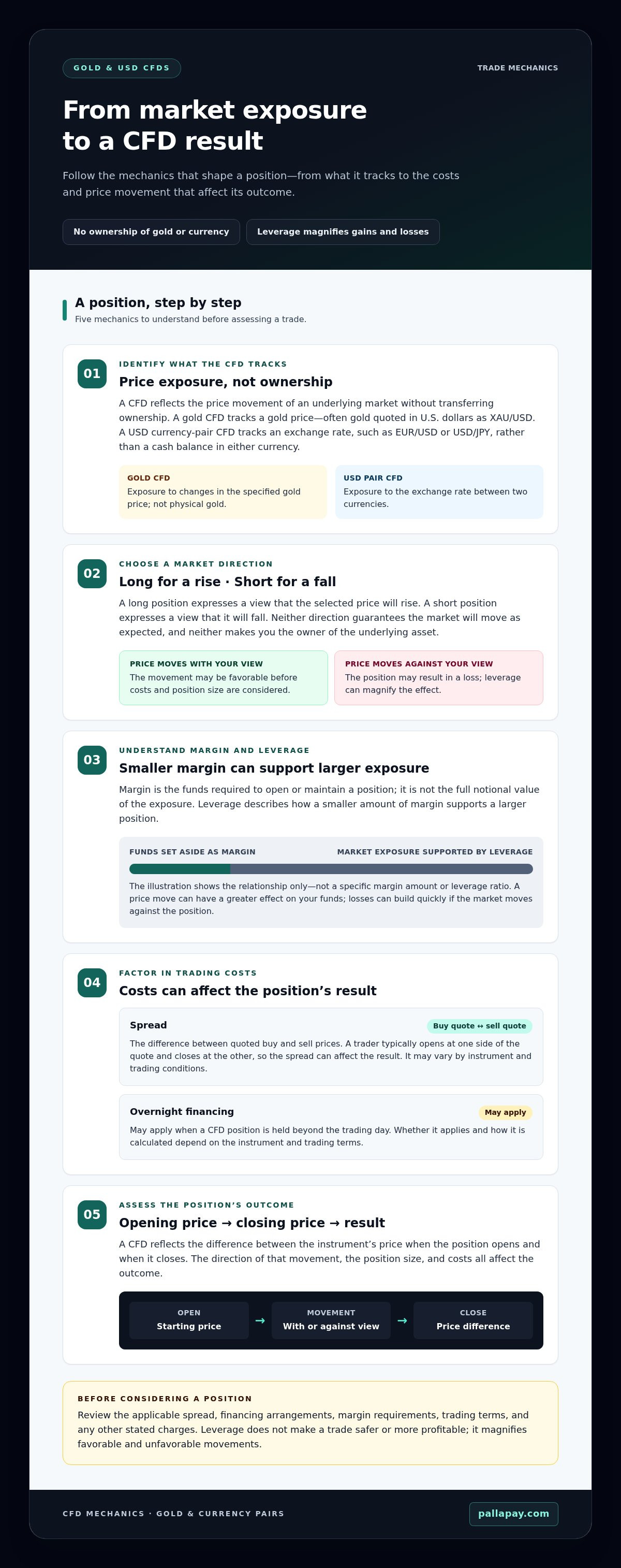
  • Crypto Payment API for Developers: Building Scalable Financial Infrastructure in 2026

    Crypto Payment API for Developers: Building Scalable Financial Infrastructure in 2026

    In 2026, a crypto payment API for developers is no longer a peripheral experiment; it’s the essential bridge between decentralized liquidity and institutional financial stability. While transaction fees for crypto gateways now range between 0.5% and 1.0%, significantly lower than traditional processors, the real value lies in the reliability of the underlying infrastructure. You’ve likely faced the operational drag caused by unreliable webhooks, transaction lag, or the complexity of moving funds back into the legacy banking system. It’s frustrating when poorly documented endpoints prevent your application from scaling at the pace of global commerce.

    This comprehensive guide provides the technical framework you need to evaluate and integrate enterprise-grade solutions with absolute confidence. You’ll learn how to implement clean, well-documented RESTful APIs and SDKs that offer instant transaction notifications and direct settlement into bank accounts. We’ll also explore how to maintain compliance under the latest MiCA and GENIUS Act frameworks. By the end of this article, you’ll have a clear roadmap for building a scalable, multi-chain payment system that transforms complex technical conversions into standard, effortless business operations.

    Key Takeaways

    • Understand how the transition to Payments-as-a-Service models allows businesses to move beyond simple wallet transfers toward comprehensive financial infrastructure.
    • Learn to integrate a high-performance crypto payment api for developers that utilizes RESTful architecture to support Bitcoin, Ethereum, and multi-chain USDT transactions.
    • Discover the strategic advantage of partnering with a regulated MSB to ensure compliant crypto to bank transfers and instant fiat settlement.
    • Master the full integration lifecycle, from secure credential management in the merchant dashboard to rigorous sandbox testing for production-ready reliability.
    • Explore omni-channel scaling opportunities by connecting digital gateways with physical crypto POS machines and branded Mastercard solutions for real-world spending.

    The Role of Crypto Payment APIs in Modern Software Architecture

    The evolution of cryptocurrency has shifted from speculative trading to a foundational element of global commerce. In 2026, a crypto payment api for developers acts as a sophisticated “Payments-as-a-Service” layer within modern software architecture. This evolution moves far beyond simple wallet-to-wallet transfers. It integrates complex financial logic directly into the application stack. Developers no longer view blockchain as a separate entity but as a standard microservice that facilitates real-time value exchange with institutional reliability.

    Choosing managed API providers over self-hosted nodes is now the industry standard for high-growth companies. This transition eliminates the heavy operational burden of maintaining expensive hardware and constantly synchronizing distributed ledgers. Managed providers offer several critical advantages for the modern dev team:

    • Reduced DevOps overhead through automated chain updates and fork management.
    • Instant scalability to handle global traffic spikes without manual intervention.
    • Built-in security protocols that protect against double-spending and network-level attacks.

    By offloading these background processes to a specialized partner, engineering teams can focus on core product features. This strategic shift accelerates the development lifecycle and ensures that the financial infrastructure remains lean and efficient.

    Why 2026 is the Year of Institutional Crypto Integration

    Institutional adoption has reached a tipping point where digital assets are a standard checkout option. The demand for multi-currency support has surged as users look to spend both volatile assets and stablecoins like USDT. APIs serve as the essential bridge that facilitates cross-border commerce without the traditional friction of intermediary banks. This global reach is especially vital for industries like ecommerce where speed and low fees are competitive requirements. Using a crypto payment api for developers allows businesses to tap into these global markets while maintaining compliance with evolving regulations.

    Evaluating API Reliability and Uptime

    System availability is the most critical metric for any financial infrastructure. A 99.9% uptime benchmark is no longer optional; it’s a requirement for enterprise trust. Leading providers use redundant node clusters to ensure API responsiveness even during periods of heavy network congestion. You should verify that your provider can handle high-throughput scenarios, often exceeding 1,000 transactions per second. Reliable infrastructure ensures that every payment request is processed instantly. This consistency maintains the momentum of your business operations and prevents the loss of customer trust during the checkout process.

    Technical Core: RESTful Architecture and Multi-Chain Support

    Building a resilient financial application requires an architectural foundation that prioritizes predictability and interoperability. A modern crypto payment api for developers utilizes a RESTful structure to ensure that integration remains seamless across diverse tech stacks, whether you’re working with Python, Node.js, or PHP. This design choice allows for standard HTTP methods and JSON responses, making the integration process intuitive for engineering teams. By using a unified interface, you can manage complex blockchain interactions without needing to master the specific nuances of every underlying protocol.

    Multi-chain capability is a non-negotiable requirement in 2026. Your infrastructure must support a broad spectrum of assets, including Bitcoin, Ethereum, and stablecoins like USDT on both ERC20 and TRC20 networks. Abstracting the complexities of these different protocols into a single API response simplifies the developer experience. Accessing real-time exchange rates and network fee estimations through the same interface ensures that your users always see the most accurate pricing during the checkout flow. For those looking to implement these features immediately, exploring a professional API for crypto payments provides the necessary tools to get started.

    In financial processing, the concept of idempotency is vital. It ensures that if a request is sent multiple times due to a network timeout, the transaction is processed only once. This prevents the nightmare of duplicate charges or inconsistent database states. As global Cryptocurrency Regulation matures, maintaining these high standards of technical precision becomes both a legal and operational necessity. It builds a layer of trust that users expect from institutional-grade financial services.

    Webhook Management and Transaction Callbacks

    Reliable payment processing depends on secure, real-time communication between the gateway and your application. Implementing secure webhooks requires signature verification to prevent malicious spoofing attempts. Your system should also allow for custom threshold settings regarding network confirmations. This flexibility lets you decide when a payment reaches finality based on your specific risk tolerance. Automatic retry logic ensures that even if your server experiences a brief hiccup, you’ll never miss a successful payment notification.

    Security Protocols: Protecting the Developer Pipeline

    Protecting the developer pipeline is as important as securing the transactions themselves. Best practices involve environment-based access control, where sandbox and production environments use distinct API keys. You should implement IP whitelisting and role-based access for sensitive withdrawal endpoints to minimize the attack surface. End-to-end encryption for transaction metadata ensures that sensitive user information remains private. These layers of defense create a secure environment that allows for rapid innovation without compromising on safety.

    Crypto Payment API for Developers: Building Scalable Financial Infrastructure in 2026

    Strategic Differentiators: Compliance and Fiat Settlement

    Developers often struggle with the legal gray areas of digital asset management. A robust crypto payment api for developers solves this by prioritizing a “Compliance First” architecture. Registration as a Money Service Business (MSB) in the United States and Canada isn’t just a badge; it’s an operational guarantee. It ensures that every transaction processed through your application adheres to strict federal standards. This institutional reliability is what separates professional-grade infrastructure from experimental gateways. It allows you to offer your users the stability they require for high-volume commerce.

    Bridging the gap between non-crypto-native businesses and digital liquidity requires sophisticated conversion tools. Automated fiat settlement eliminates the volatility risks that often deter traditional merchants. Instead of holding volatile assets, businesses can receive funds directly in their local currency. This process is streamlined by integrated KYB (Know Your Business) protocols. These API-driven verification flows allow for rapid merchant onboarding while maintaining full regulatory integrity. It transforms what used to be a complex legal hurdle into a standard, automated background process.

    Direct Crypto-to-Bank Transfers

    Scaling a global enterprise requires efficient ways to manage payroll and vendor payments. Enabling crypto to bank transfers directly through an API allows for seamless off-ramping into major fiat currencies like USD, EUR, AED, and INR. While traditional systems often rely on T+3 settlement windows, modern infrastructure is pushing toward instant availability. This transition is essential for maintaining a healthy cash flow in fast-paced markets. It empowers developers to build applications that function as a professional bridge between diverse financial ecosystems.

    Navigating Global Regulations

    Operating across 180 countries requires a deep understanding of localized legal requirements. For example, the Oregon cryptocurrency payment law demonstrates how regional frameworks are beginning to define the scope of digital transactions. Pallapay handles these complexities for developers by embedding AML (Anti-Money Laundering) monitoring into every API transaction flow. This proactive approach ensures that your application remains compliant without requiring you to build an in-house legal department. Automated transaction exports also simplify tax reporting, providing a clean audit trail for every global operation.

    Developer Experience: Streamlining the Integration Lifecycle

    A sophisticated crypto payment api for developers must prioritize the developer experience as much as the transaction throughput. The integration lifecycle begins in the merchant dashboard where you generate your unique API keys. This centralized hub serves as your command center, providing immediate access to the credentials required for secure communication. Once keys are secured, the transition to the sandbox environment allows you to simulate both successful and failed transaction scenarios without risking real capital. It’s an essential safety net that ensures your logic is sound before moving to a live environment.

    Configuring webhook listeners is the next critical phase in building a real-time financial application. Instead of inefficient polling, webhooks provide instant notifications for order updates; this allows your system to react immediately to payment finality. You can then choose to customize the checkout UI to match your brand’s aesthetic or utilize pre-built payment widgets for a faster time-to-market. Monitoring transaction health in production completes the cycle, ensuring that your infrastructure remains performant as you scale. If you’re ready to begin your integration, you can access the developer portal to see these tools in action.

    Documentation and SDKs

    Clarity in documentation is the hallmark of a professional financial partner. We provide ready-to-use code snippets for Node.js, Python, and PHP to accelerate your development timeline. For instance, recent early 2026 updates to the Python Unified SDK v8.0.1 and PHP Unified SDK v10.1.2 ensure compatibility with the latest security standards. Using Swagger or OpenAPI specifications allows for automated client generation, reducing the likelihood of manual errors. Enterprise clients also benefit from dedicated integration managers who provide direct support throughout the deployment process.

    Customizing the User Journey

    Maintaining brand consistency is vital for building user trust during the payment process. White-labeling options allow you to keep the experience seamless, ensuring that the checkout flow feels like a natural extension of your platform. You can also generate flexible payment links for social media or email invoicing, providing a low-friction way for customers to settle balances. For businesses looking to expand their utility, integrating gift card issuance directly into the checkout flow adds a layer of versatility that traditional gateways often lack. This comprehensive approach ensures that every touchpoint is optimized for conversion and growth.

    The Pallapay Advantage: Building for Global Scale

    The definitive advantage of a crypto payment api for developers lies in its ability to transcend the digital screen and integrate with the physical world. While many providers stop at the checkout page, our ecosystem bridges the gap between digital asset processing and tangible commerce. By integrating with crypto POS machines, developers can build omni-channel solutions that unify online sales with retail storefronts. This holistic approach is further enhanced by the issuance of Pallapay Mastercards. These cards enable users to spend API-processed funds in the real world instantly. It’s a complete lifecycle that transforms digital liquidity into practical, everyday utility.

    Institutional operations often involve high-volume settlements that exceed standard gateway limits. Our OTC crypto exchange desks provide the necessary liquidity for these large-scale movements, ensuring that even the most significant transactions are handled with professional precision. This combination of high-throughput API access and institutional OTC support positions Pallapay as the definitive destination for 2026 crypto-fiat operations. It’s about providing the tools needed for global scale. We handle the complex background processes so you can focus on expansion.

    Omni-channel Payments for Retail and Hotels

    For industries such as hospitality, the division between booking and check-in often creates data silos. Modern hotels use the API to secure online reservations and then utilize physical POS terminals for on-site services. This unifies all transaction data into a single dashboard, providing a clear view of business health. This same infrastructure allows ecommerce platforms to scale rapidly, utilizing high-availability servers that handle global traffic without interruption. Efficiency is the priority. Your data remains synchronized across every touchpoint.

    The Future of the Pallapay Ecosystem

    The Pallapay roadmap includes expanding Layer 2 scaling support and deeper DeFi integrations to keep your application at the forefront of innovation. Security remains the cornerstone of our progress. We apply rigorous protection standards to the Pallapay wallet and the entire API infrastructure to safeguard institutional assets. The evolution of global finance is inevitable. It’s a shift toward a more integrated, efficient, and borderless system. You can start building with Pallapay today to ensure your business is part of that future.

    Empowering Global Commerce with Institutional-Grade Infrastructure

    The financial landscape of 2026 demands more than a simple gateway; it requires a resilient bridge between digital assets and traditional banking systems. By selecting a high-performance crypto payment api for developers, you gain access to a platform that prioritizes regulatory compliance and technical precision. We’ve detailed how MSB registration in the US and Canada provides the security foundation your enterprise needs to scale. You’ve also seen how RESTful architecture and instant fiat settlement options eliminate the operational friction typically associated with blockchain transactions.

    This infrastructure facilitates seamless operations across 180 countries, ensuring your application is ready for immediate global deployment. Whether you’re unifying online checkouts with physical POS machines or enabling real-world spending via integrated Mastercards, the tools for success are now at your fingertips. It’s time to transform complex background processes into standard business operations.

    Build Your Future with Pallapay: Get Your API Key

    The evolution of finance is happening now, and your business is ready to lead the way.

    Frequently Asked Questions

    What is a crypto payment API and how does it work for developers?

    A crypto payment API is a set of RESTful endpoints that allows software to interact with blockchain networks for automated payment processing. Developers use these tools to generate unique payment addresses, monitor incoming transactions in real time, and manage fund settlements. It abstracts the complexity of node maintenance and ledger synchronization into a single, reliable integration layer that connects directly to your application stack.

    Which cryptocurrencies can I accept through the Pallapay API?

    You can accept major digital assets including Bitcoin, Ethereum, and USDT across multiple network standards such as ERC20 and TRC20. The platform is engineered for broad utility, allowing your application to support the most liquid assets currently utilized in global commerce. This ensures your customers have the flexibility to pay with their preferred digital assets while you maintain a unified transaction record.

    How do I ensure the security of my crypto API integration?

    Security is maintained through environment-based API key management, IP whitelisting, and mandatory signature verification for all incoming webhooks. You should implement role-based access controls for sensitive withdrawal endpoints and utilize end-to-end encryption for all transaction metadata. These layers of defense prevent unauthorized access and ensure the absolute integrity of your financial data within the developer pipeline.

    Can I settle crypto payments directly into my local bank account?

    Yes, the system facilitates direct crypto to bank transfers into local accounts in major currencies like USD, EUR, GBP, and AED. This feature allows businesses to convert digital assets into fiat instantly, effectively bypassing the volatility often associated with holding cryptocurrencies. It creates a professional bridge between modern digital payments and your established local financial institutions for seamless cash flow management.

    What are the transaction fees for using a professional crypto payment gateway API?

    Industry transaction fees for professional gateways typically range between 0.5% and 1.0%, which is significantly lower than traditional credit card processors. While specific costs depend on your transaction volume, using a crypto payment api for developers reduces the overhead associated with intermediary banks. You can monitor your specific settlement costs through the merchant dashboard to maintain full transparency over your operational expenses.

    Does Pallapay support stablecoins like USDT and USDC for business payments?

    Pallapay provides extensive support for USDT on various chains to facilitate stable, low-volatility business transactions for global merchants. Stablecoins are essential for businesses that require price certainty during the settlement process. The platform ensures these assets are processed with high-speed reliability, making them ideal for high-volume operations such as global payroll or vendor payments without the risk of market fluctuations.

    How does webhook notification work in a crypto payment flow?

    Webhooks function as automated callbacks that send real-time data from the gateway to your server when a transaction status changes. When a payment is detected or reaches the required confirmation threshold on the blockchain, the API pushes a POST request to your listener. This eliminates the need for inefficient manual polling and ensures your application reacts instantly to provide a smooth customer experience.

    Is MSB registration necessary for companies providing crypto payment APIs?

    MSB registration is a critical legal requirement for providers operating in regions like the US and Canada to ensure AML and KYC compliance. It signifies that the provider is a regulated financial entity, offering institutional trust and legal protection for the developers using their infrastructure. Partnering with a registered MSB is essential for maintaining a compliant, high-volume operation that meets global financial standards.

    Disclaimer

    The information provided on this website and blog is for general informational and educational purposes only and does not constitute financial, investment, legal, tax, or other professional advice.
    Cryptocurrency and digital asset services may be subject to regulatory restrictions in certain jurisdictions. Users are solely responsible for ensuring compliance with applicable local laws and regulations before using any products or services mentioned on this website.
    PallaPay does not guarantee the accuracy, completeness, or timeliness of any information published and accepts no liability for any loss or damages arising from reliance on the content. Any opinions expressed are those of the respective authors and may change without notice.
    Certain services, features, or products referenced may be provided through third-party partners, licensed entities, or affiliated service providers subject to separate terms and regulatory approvals. Availability of services may vary by country or region.
    This website may contain references to digital assets, virtual currencies, or blockchain-related services that are not available to residents of certain jurisdictions, including where prohibited by law. Nothing on this website constitutes an offer, solicitation, or recommendation to buy or sell any financial instrument or virtual asset.