
Tag: Retail Technology

  • Crypto POS Machine: The Complete Guide for Merchants in 2026

    Crypto POS Machine: The Complete Guide for Merchants in 2026

    While 75% of global retailers aim to accept digital assets by 2026, many still lose over 3% of their daily revenue to legacy banking fees and slow settlement cycles. You’ve likely felt the pressure to modernize your checkout experience but hesitated due to technical barriers or the fear of market volatility. It’s frustrating to manage a business where traditional processors take a significant cut and hold your funds for 48 hours or longer. Integrating a crypto pos machine shouldn’t feel like a leap into the unknown. It is a strategic move toward higher margins and global reach.

    You’ll discover how to implement crypto POS terminals that offer instant digital payments with immediate conversion to fiat currency, effectively neutralizing price fluctuations. We’ll walk through the setup of secure gateways that reduce your processing costs by up to 50% compared to standard credit card networks. This guide provides the clear, professional roadmap you need to transition from legacy constraints to a fast, secure, and all-in-one payment ecosystem.

    Key Takeaways

    • Understand why integrating a crypto pos machine is a critical strategic move for merchants looking to capture mainstream retail demand in 2026.
    • Learn the streamlined 2026 transaction flow that enables your business to process digital payments via dynamic QR codes with absolute precision.
    • Discover how to significantly reduce operational overhead by transitioning from traditional 4% transaction fees to high-efficiency, low-cost blockchain settlements.
    • Explore tailored implementation strategies for luxury retail and hospitality to capture the growing global appetite for seamless digital currency options.
    • Master the process of securing instant fiat settlements to your local bank account, ensuring your business maintains liquidity without exposure to market volatility.

    What is a Crypto POS Machine and Why Does Your Business Need One?

    A crypto pos machine is a sophisticated hardware or software terminal designed to facilitate the acceptance of digital assets at the physical checkout. Unlike a traditional Point of Sale (POS) system that relies on legacy banking networks, these modern terminals process payments via QR codes or Near Field Communication (NFC) technology. By 2026, retail analysts project that cryptocurrency payments will transition from a niche technical experiment to a standard payment method in 15% of global brick-and-mortar stores. This shift is driven by a demand for speed, transparency, and financial sovereignty.

    Your business requires this technology to eliminate the friction inherent in old-world finance. Traditional credit card transactions often carry fees ranging from 2% to 4%, while crypto transactions typically settle with fees as low as 0.5% to 1%. Because blockchain transactions are immutable, your business gains absolute protection against fraudulent chargebacks. This security ensures that once a payment is confirmed, the funds belong to the merchant without the risk of reversal. Instant processing is no longer a luxury; it’s the core requirement for modern retail environments where every second at the checkout counter impacts customer satisfaction. By adopting a crypto pos machine, you position your brand as a visionary partner in the new economy, ready to serve a global customer base that prefers decentralized liquidity over restricted bank accounts.

    The Evolution of In-Store Digital Payments

    Digital payments have matured rapidly since the first Bitcoin transaction in 2009. Early systems were limited by slow confirmation times and high price volatility, making them impractical for a busy storefront. Today, the landscape has evolved into a multi-chain environment that supports stablecoins like USDT and USDC alongside major assets like ETH. This evolution removes the slow settlement problem that once plagued the industry. Merchants now receive liquidity in real-time, bypassing the 3 to 5-day waiting periods imposed by traditional cross-border bank transfers. By 2025, the cost of cross-border settlements is expected to drop by 80% for businesses using decentralized gateways, proving that the future of payments is already here.

    Core Components of a Modern Crypto Terminal

    Choosing the right infrastructure depends on your specific operational needs. Hardware-based POS solutions offer a dedicated, professional presence at the counter, featuring integrated thermal printers and responsive touch-screen interfaces for seamless navigation. These devices are built for high-volume environments where durability is essential. Software-based solutions allow merchants to transform existing tablets or smartphones into payment hubs via secure applications. Connectivity is the lifeblood of these systems. To maintain 99.9% uptime, modern terminals utilize 4G, 5G, and secure Wi-Fi protocols. This ensures that every transaction is broadcast to the blockchain without delay, providing the instant confirmation that global commerce demands.

    The integration of these terminals is the first step toward an all-in-one financial ecosystem. When you bridge the gap between blockchain innovation and institutional reliability, you don’t just accept a new currency; you upgrade your entire business model. The move toward digital asset adoption is an inevitable global financial evolution that rewards early adopters with lower costs and expanded market reach.

    How Crypto POS Terminals Work: The 2026 Transaction Flow

    The 2026 transaction flow represents a peak in financial engineering. It transforms a complex cryptographic handshake into a three-second retail event. Efficiency is the core requirement for modern commerce; a professional crypto pos machine functions as the bridge between decentralized assets and institutional settlement. This process doesn’t just move data; it manages value, liquidity, and risk in a single, synchronized motion.

    A modern crypto pos machine follows a rigorous five-step protocol to ensure every payment is finalized with absolute precision:

    • Step 1: Fiat Entry. The merchant enters the local currency amount, such as 150.00 AED, directly into the terminal interface.
    • Step 2: Dynamic QR Generation. The system pings liquidity providers via millisecond-level API calls to calculate the exact crypto equivalent. It then generates a unique QR code containing the wallet address and the precise amount.
    • Step 3: Customer Authorization. The shopper scans the code using a mobile wallet. They approve the transaction using biometric authentication, sending the signal to the blockchain.
    • Step 4: Rate Locking. As the blockchain validates the broadcast, the POS provider locks the exchange rate for a 15-second window. This protects both parties from price shifts during the confirmation period.
    • Step 5: Instant Settlement. The system completes an internal ledger swap. The merchant receives the funds in their choice of fiat or stablecoin, such as USDT, effectively bypassing traditional 3-day banking delays.

    Real-Time Price Calculation and Volatility Protection

    Volatility is often cited as a barrier to adoption. To solve this, the 2026 ecosystem relies on deep liquidity pools that provide millisecond-accurate data. When a price is displayed on the terminal, it’s backed by an immediate OTC (Over-the-Counter) quote. This ensures that the 100 USD worth of Bitcoin a customer sends is exactly what the merchant receives in their balance. These fixed-rate windows provide the peace of mind necessary for high-volume retail environments. Businesses looking to lead this transition can explore integrated settlement solutions that simplify these complex steps into a single interface.

    Security Protocols: Beyond the Blockchain

    Security in a crypto-enabled retail space extends far beyond the decentralized ledger. Every signal sent from the terminal uses end-to-end encryption to prevent “man-in-the-middle” attacks. While retailers must understand the risks of cryptocurrency payments, professional-grade hardware mitigates these through institutional-level safeguards. This includes mandatory two-factor authentication (2FA) for all merchant dashboard actions and automated AML (Anti-Money Laundering) screening that flags suspicious wallet addresses in real-time. By adhering to ISO 27001 standards, modern providers ensure that digital asset processing is as secure as traditional chip-and-pin transactions. The result is a system that isn’t just fast, but fundamentally resilient against the evolving threats of the digital age.

    Finalizing the cycle, the terminal provides an instant digital receipt. This ledger-backed proof of payment serves as a definitive record for both accounting software and tax compliance. By 2026, the distinction between a “crypto payment” and a “standard payment” has largely vanished, replaced by a singular, high-performance checkout experience.

    Crypto POS vs. Traditional Terminals: A Strategic Comparison

    Business owners often view payment processing as a fixed cost of doing business, but the shift from legacy systems to digital assets proves otherwise. Traditional terminals rely on a complex web of intermediary banks and clearinghouses that introduce friction. Implementing a crypto pos machine bypasses these bottlenecks, creating a direct, peer-to-peer financial interaction that benefits the merchant’s bottom line.

    Traditional credit card networks typically charge between 2% and 4% per transaction. These costs escalate when you add monthly hardware rentals, statement fees, and PCI compliance charges. Crypto transactions through the Pallapay ecosystem reduce these overheads significantly, often hovering at 1% or less. For a high-volume retailer, this 3% difference represents a substantial increase in annual profit margins without requiring a single change in pricing strategy.

    Liquidity remains a critical concern for any growing enterprise. Legacy banking rails usually operate on a T+2 or T+3 settlement cycle, meaning funds are trapped for 48 to 72 hours before they’re accessible. In contrast, crypto payments offer near-instant verification. Merchants can opt for next-day fiat settlement in their local bank account or keep the digital assets for immediate use within their own supply chain. This speed ensures that capital is always moving, not sitting in a bank’s pending queue.

    Cross-border trade shouldn’t carry a financial penalty. Traditional cards often impose a 3% foreign transaction fee on the buyer, while the merchant pays an additional 1% cross-border surcharge. A crypto pos machine eliminates these geographic boundaries entirely. Since blockchain networks are global by design, a transaction from a tourist in Dubai is processed with the same efficiency as a local payment. This accessibility is essential for businesses in international hubs where diverse clientele is the standard.

    Eliminating the Risk of Chargebacks

    Blockchain transactions are immutable and irreversible by design. Once a customer authorizes a payment, the funds are moved securely without the possibility of a third-party reversal. This architecture effectively ends “friendly fraud,” a problem that cost global retailers over $100 billion in 2023 according to industry data. For high-ticket retailers selling luxury goods, this protection provides absolute certainty. It removes the stress of 90-day dispute windows, allowing for more predictable cash flow and lower administrative costs.

    Regulatory Compliance and Financial Transparency

    Adhering to legal standards is the foundation of institutional trust. In the United States and Canada, maintaining MSB (Money Services Business) registration is a strict requirement for payment providers. By 2026, new global reporting standards will demand even greater transparency between digital transactions and tax authorities. Pallapay operates as a regulated bridge, ensuring that every transaction meets these evolving criteria. Our platform generates automated reports for tax and accounting purposes, handling the technical heavy lifting so merchants can focus on expansion.

    Implementing Crypto Payments Across Diverse Industries

    The adoption of the crypto pos machine transcends niche tech markets. It serves as a sophisticated tool for businesses aiming to capture a high-net-worth demographic. Global crypto ownership reached 580 million people in early 2024. This massive user base seeks physical locations where they can spend their digital assets without the friction of traditional fiat conversions. By integrating blockchain technology into daily operations, merchants aren’t just following a trend; they’re establishing a professional bridge to the future of global finance.

    Crypto for High-End Retail and Luxury Goods

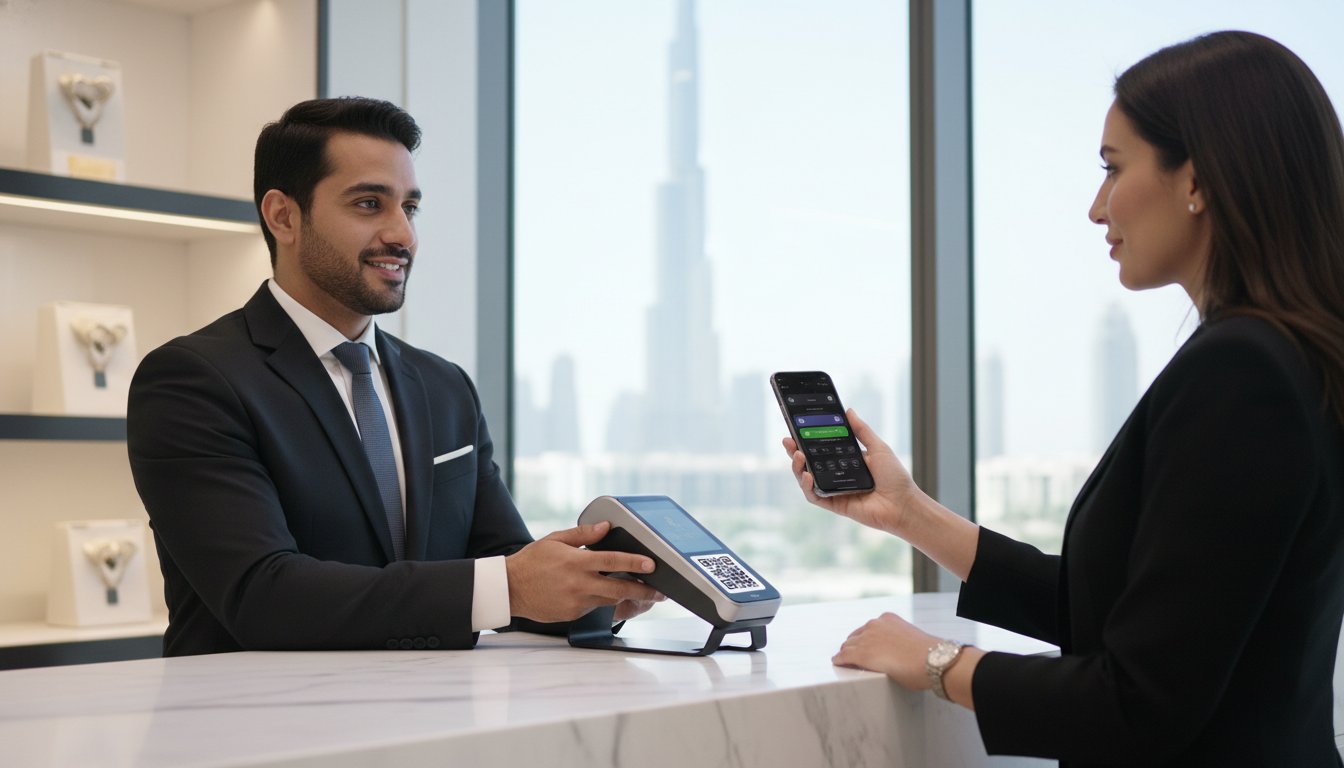
    Luxury brands utilize crypto to attract “whales” and affluent international travelers. A 2023 study showed that 40% of customers paying with crypto are new to the merchant. For retail stores, integrating this technology is a natural step toward modernization. It positions the brand as a visionary leader. High-ticket items like watches or designer bags become more accessible to global buyers when they can pay instantly using their digital wallets. This approach removes the barriers often found with traditional credit card limits on expensive purchases.

    Hospitality and Tourism: A Global Use Case

    The travel industry faces constant challenges with cross-border payments and volatile exchange rates. For hotels, accepting crypto simplifies the entire guest journey. It eliminates the 3% to 5% currency conversion fees often charged by traditional banks. Guests can settle their bills instantly at the concierge desk. This “Future of Payments” approach reduces administrative overhead and enhances the guest experience in luxury travel sectors. It provides a seamless check-out process that aligns with the expectations of modern, tech-savvy travelers.

    E-commerce brands are also bridging the gap by opening physical pop-up shops. These temporary setups require agile, secure payment solutions. A portable crypto pos machine allows these brands to maintain their digital-first identity while engaging with customers in person. It creates a unified financial ecosystem where online and offline sales data merge effortlessly. Using these devices provides several operational advantages:

    • Instant Settlement: Merchants receive funds without the typical 3-day waiting period of legacy systems.
    • Reduced Fraud: Blockchain transactions are final; they eliminate the risk of chargebacks that plague traditional retail.
    • Global Accessibility: Accept payments from any guest, regardless of their home country or local banking restrictions.

    Operational logistics don’t have to be a hurdle for your team. Implementation requires minimal effort because modern interfaces are designed for clarity. Training staff to handle digital asset transactions takes less than 15 minutes. Employees simply enter the amount in fiat; the machine generates a dynamic QR code for the customer to scan. The system handles the “heavy lifting” of the conversion behind the scenes. This efficiency ensures that the checkout process remains fast, professional, and secure for everyone involved.

    Ready to modernize your payment infrastructure? Get started with Pallapay’s crypto solutions today.

    Scaling Your Business with the Pallapay Crypto POS Ecosystem

    Scaling a modern enterprise requires more than just the ability to accept digital assets; it demands a robust infrastructure that bridges the gap between blockchain innovation and institutional reliability. The Pallapay ecosystem serves as this bridge, offering an all-in-one super-app and hardware suite designed for high-growth environments. By moving beyond fragmented payment tools, Pallapay provides a unified financial gateway that handles the heavy lifting of technology behind the scenes, allowing you to focus on expansion.

    Cash flow remains the lifeblood of any retail operation. Volatility often deters traditional merchants from entering the crypto space, but Pallapay solves this through fiat settlement directly to your local bank account. Instead of holding digital assets on a balance sheet, you receive funds in your preferred local currency. This process eliminates market risk and ensures that your accounting remains compliant with standard financial practices. It’s a professional solution that makes crypto-fiat conversion feel like a standard business operation.

    For enterprises operating at scale, integration is key to efficiency. The Pallapay payment API is fully customizable, allowing technical teams to bake crypto processing into existing ERP and inventory management systems. This flexibility has enabled 1,200+ merchants to synchronize their global sales data without manual intervention. This technological edge is supported by a physical presence in the world’s most influential financial hubs. With established offices in Dubai, Singapore, and Istanbul, Pallapay offers a level of localized support and regulatory confidence that digital-only competitors cannot provide.

    The Hardware: Pallapay Crypto POS Machine

    The Pallapay crypto pos machine is engineered for the high-end retail environment, featuring a sleek, professional design that fits seamlessly on any luxury counter. It supports all major cryptocurrencies and stablecoins, ensuring your business never misses a sale due to payment limitations. Every transaction is linked to the Pallapay Merchant Dashboard in real-time. This allows managers to track performance across multiple locations, providing the data needed to make informed inventory and staffing decisions instantly.

    Closing the Loop: Mastercard and Wallet Integration

    True financial agility comes from instant access to capital. The Pallapay Mastercard enables you to spend your earned crypto immediately at millions of locations worldwide, effectively closing the loop on business liquidity. By managing your funds through the secure Pallapay wallet, you bypass the friction and 3% to 5% fees typically associated with international wire transfers. This unified fintech partnership simplifies cross-border commerce, positioning your brand as a leader in the future of payments. It’s a secure, efficient way to manage global wealth in a single platform.

    Secure Your Competitive Edge in the Global Economy

    Adopting a crypto pos machine is no longer a speculative choice but a vital strategy for merchants entering the 2026 fiscal year. By integrating this technology, you eliminate the friction of traditional cross-border fees and bypass the standard 3-day settlement delays found in legacy banking. You’re not just accepting new currency; you’re accessing a global network of 560 million digital asset holders who prioritize speed and security. This transition transforms your checkout process into a high-performance gateway for international capital.

    Pallapay acts as your visionary partner by handling the complex technical integrations behind every transaction. We provide absolute stability through official MSB Registration in the USA and Canada, serving businesses in 180+ countries with institutional reliability. Our ecosystem ensures you receive instant settlement in your preferred fiat currency, keeping your cash flow liquid and your operations efficient. It’s the most direct path to scaling your business on a global stage while maintaining the professional standards your customers expect.

    Upgrade your business with the Pallapay Crypto POS Machine today

    The future of payments is here, and your business is ready to lead the way.

    Frequently Asked Questions

    Is it legal to use a crypto POS machine for my business?

    It’s legal to use a crypto POS machine in more than 130 countries that have established clear regulatory frameworks for digital assets. For example, the UAE Virtual Assets Regulatory Authority (VARA) issued comprehensive guidelines in February 2023 to govern these retail transactions. You must ensure your business complies with local Anti-Money Laundering (AML) laws and completes the standard KYC verification to maintain a fully regulated payment environment.

    What happens if the price of Bitcoin drops during a transaction?

    You’re protected from market volatility because our system locks the exchange rate the instant a customer initiates a payment. If a product costs $100, the terminal calculates the exact crypto amount based on real-time liquidity at that specific second. Even if Bitcoin’s value drops by 10% during the confirmation process, you still receive the full $100 in your account. We handle the market risk so your margins stay protected.

    How do I withdraw the money I receive from crypto payments?

    You can withdraw your funds through automated bank transfers or by visiting one of our physical OTC branches for instant cash settlement. Most merchants opt for our daily settlement cycle which moves funds to your linked bank account within 24 hours of the transaction. Our all-in-one dashboard provides a seamless interface to manage these payouts, ensuring your digital earnings are always available as liquid capital for your business operations.

    Do I need a special bank account to accept crypto payments?

    You don’t need a specialized crypto-friendly bank account to start accepting digital currencies at your store. Pallapay acts as the professional bridge that converts digital assets into fiat currency before they’re deposited. This means the funds arrive in your existing corporate bank account as a standard credit. It’s a secure way to embrace the future of payments without changing your current banking relationships or institutional setup.

    What cryptos are most commonly used for in-store purchases?

    Bitcoin, Ethereum, and USDT currently account for over 85% of all in-store digital currency transactions. Stablecoins like USDT are particularly popular for daily commerce because they maintain a 1:1 peg with the US Dollar, providing price stability for both you and your customers. Our hardware supports more than 30 different cryptocurrencies, giving your international clients the flexibility to pay with their preferred tokens while you receive guaranteed value.

    How long does it take to set up a Pallapay POS machine?

    Setting up a Pallapay crypto pos machine typically takes between 24 and 48 hours once your documentation is submitted. The process is designed for maximum efficiency, starting with a quick digital KYC check followed by the remote activation of your terminal. Once the device arrives at your location, it connects to your local Wi-Fi or 4G network instantly. You’ll be ready to process blockchain payments without any complex technical installation.

    Are there monthly fees for maintaining a crypto POS terminal?

    There are zero monthly maintenance fees for the Pallapay terminal, ensuring your business overhead remains predictable and low. We use a transparent, transaction-based pricing model where a small fee is only applied when you successfully process a sale. This performance-driven approach means you don’t pay for the technology unless it’s actively helping you grow. It’s a cost-effective solution that scales directly with your actual sales volume.

    What is the difference between a crypto gateway and a POS machine?

    A crypto gateway is a software-based API used for online e-commerce checkouts, whereas a POS machine is physical hardware used for face-to-face retail. The gateway handles virtual shopping carts on your website, while the POS terminal generates dynamic QR codes for customers to scan in person. Both systems link to your central Pallapay account, providing a unified view of your global revenue across both digital and physical storefronts.
  • How Do Crypto POS Systems Work? The Complete Merchant Guide for 2026

    How Do Crypto POS Systems Work? The Complete Merchant Guide for 2026

    By 2026, global retail spending via digital assets is projected to reach $22.5 billion, marking a definitive shift toward the future of payments. To remain competitive in this evolving landscape, you must understand exactly how do crypto pos systems work to facilitate these high-speed exchanges. You’ve likely felt the hesitation that comes with blockchain technology; the fear that a sudden price drop will impact your revenue or that a slow network will cause a bottleneck at your checkout counter.

    We’ve designed this guide to bridge the gap between technical innovation and institutional reliability. You’ll discover how modern POS solutions provide instant liquidity and seamless conversion, allowing you to accept cryptocurrency while receiving stable fiat currency in your bank account. We will break down the essential hardware requirements, the four-step transaction lifecycle, and the settlement processes that keep your business secure and efficient in a global market.

    Key Takeaways

    • Understand exactly how do crypto pos systems work to facilitate seamless, direct interactions between blockchain networks and your retail terminal.
    • Master the four-step transaction lifecycle that ensures instant payment verification through dynamic QR codes and secure wallet signatures.
    • Discover how to eliminate volatility risks by utilizing instant fiat conversion for stable, predictable business settlements.
    • Identify critical multi-currency features and ERP integration capabilities necessary for scaling a modern global retail operation.
    • Learn to leverage MSB-regulated infrastructure to ensure institutional-grade security for every digital asset transaction.

    What is a Crypto POS System? Defining the Modern Terminal

    A Crypto POS (Point-of-Sale) system represents the professional evolution of retail hardware. It’s a sophisticated combination of secure hardware and cloud-based software that empowers merchants to accept digital assets like Bitcoin, Ethereum, or USDT. Unlike traditional terminals that rely on legacy banking rails and multi-day clearing cycles, these modern systems interact directly with decentralized blockchain networks or specialized payment gateways. A Crypto POS serves as the bridge between decentralized finance and traditional retail commerce.

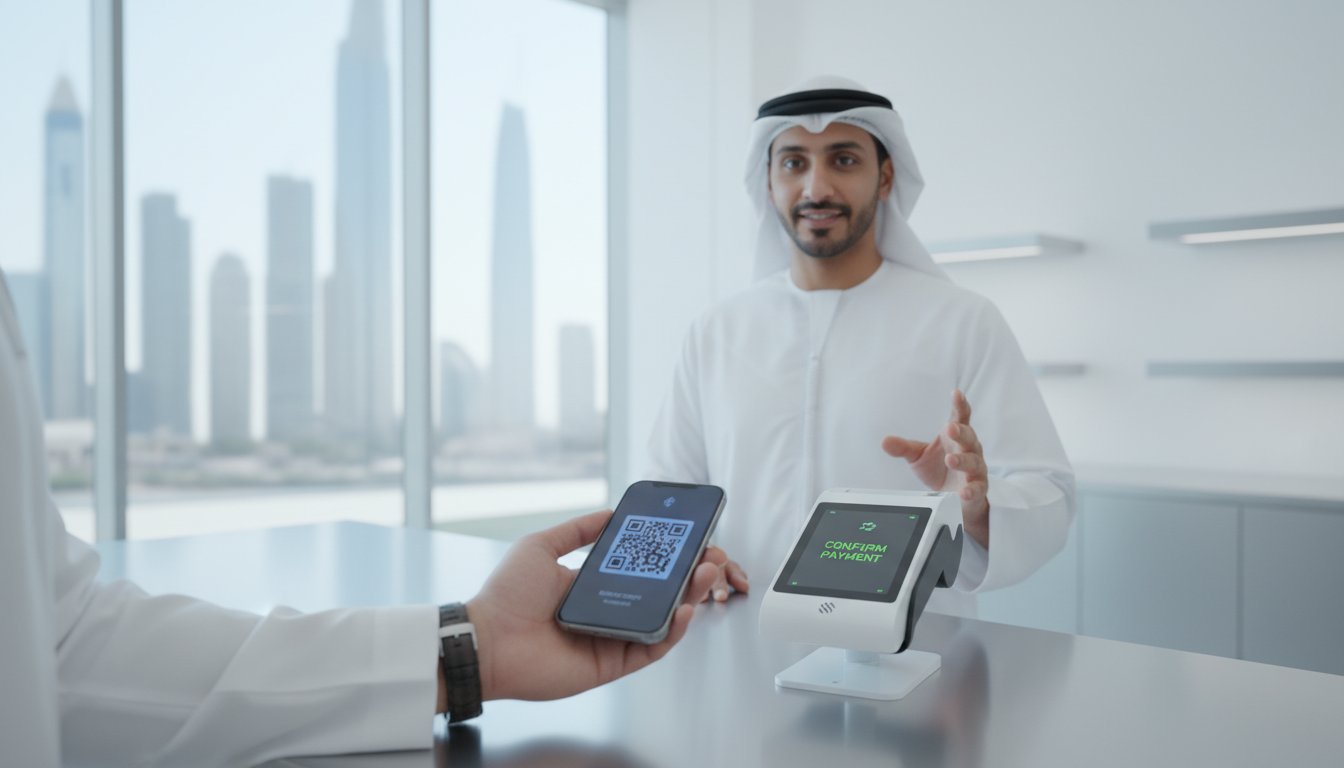
    Understanding how crypto payments work is the first step toward modernizing a business’s financial infrastructure. These systems calculate real-time exchange rates at the exact moment of sale. This ensures the merchant receives the precise value of the transaction in their preferred currency, effectively neutralizing the risks associated with price volatility. By 2026, the global market for these terminals has expanded significantly as businesses seek faster settlement times and lower fees compared to traditional credit card processors. So, how do crypto pos systems work in a practical retail setting? They convert the requested fiat amount into its crypto equivalent instantly, generating a unique QR code or an NFC signal for the customer to authorize from their digital wallet.

    The system functions as an all-in-one ecosystem that handles the heavy lifting of blockchain verification. When a customer initiates a payment, the terminal communicates with a payment gateway to verify the availability of funds and the authenticity of the transaction. This process happens in seconds, providing an instant confirmation that mirrors the speed of a standard debit card swipe. Merchants don’t need to manage private keys or interact with complex exchange interfaces; the terminal provides a streamlined, professional interface that mirrors the tools they already use. These devices represent the future of payments, offering a global reach that traditional banks cannot match.

    Clearing the Confusion: POS vs. PoS

    It’s common to find overlapping results when searching for these terms, but they serve entirely different roles. POS refers to the Point-of-Sale terminal used at a checkout counter for retail transactions. In contrast, PoS stands for Proof-of-Stake, which is a consensus mechanism used by blockchains like Ethereum to secure their networks. You don’t need to understand the complexities of staking or network validation to operate a Point-of-Sale terminal. Confusion between these terms often leads business owners to believe crypto payments are technically inaccessible, but the reality is a user-friendly experience designed for efficiency.

    The Evolution of Retail Payments in 2026

    Crypto terminals have transitioned from niche experimental tech into mainstream retail necessities. The integration of NFC technology has made crypto payments as fast as tapping a traditional credit card, which is essential for high-traffic environments. Various sectors are leading this change, with hotels and luxury retailers adopting these systems to cater to a global, tech-savvy clientele. These industries recognize that offering diverse payment options is a standard for global commerce. By removing the friction of currency conversion, these terminals allow businesses to scale their operations internationally with ease.

    Behind the Scenes: The 4-Step Transaction Lifecycle

    Understanding how do crypto pos systems work requires looking past the sleek hardware to the sophisticated software stack that manages digital assets in real time. While a traditional credit card transaction relies on legacy banking rails that can take days to settle, a crypto POS terminal operates on a decentralized infrastructure designed for immediate finality. This process transforms a complex blockchain interaction into a familiar, user-friendly retail experience that mirrors the speed of a standard contactless payment.

    Step 1 & 2: Initiation and Wallet Communication

    The lifecycle begins when the merchant enters the fiat amount into the terminal interface. At this moment, the Payment API performs the heavy lifting by calculating the exact cryptocurrency equivalent. This isn’t a static conversion; the system queries multiple global liquidity providers to secure the most competitive exchange rate available in 2024. Once the rate is determined, the terminal generates a dynamic QR code. This code is more than just an image. It’s a secure data packet containing the merchant’s destination address, the precise amount, and a unique transaction ID.

    When the customer scans this code using their mobile wallet, the two devices establish a secure connection using encrypted protocols. The wallet then broadcasts a digitally signed transaction to the payment gateway. This signature acts as a cryptographic guarantee of ownership, ensuring that the funds cannot be redirected or altered. Because the communication is peer-to-peer, it bypasses the multiple intermediaries that typically slow down traditional financial transfers. Merchants often find that how do crypto pos systems work is actually more direct than the 5-step process involved in standard visa or mastercard processing.

    Step 3 & 4: Validation and Confirmation

    Once the payment gateway receives the signed transaction, it moves into the validation phase. To protect the merchant from price volatility, the gateway typically locks in the exchange rate for a window of 15 minutes. This prevents “slippage,” where the value of the crypto might change between the scan and the settlement. A critical distinction here is the difference between on-chain confirmation and instant gateway approval. While a base-layer Bitcoin transaction might take 10 minutes to confirm on the blockchain, modern gateways use Layer-2 solutions like the Lightning Network to achieve sub-second transaction times. These protocols allow for 0.5-second processing, making crypto viable for high-traffic environments like cafes or supermarkets.

    As noted by industry experts at Tech Times, understanding How a Crypto POS System Works is becoming vital for retailers who want to eliminate the 3% fees associated with traditional banks. After the gateway verifies the availability of funds, the terminal displays a green checkmark and prints a physical or digital receipt. In the backend, the merchant’s dashboard reflects the transaction immediately. The system automatically logs the data for tax compliance and inventory management, providing a seamless bridge between blockchain technology and daily business operations. If you’re ready to modernize your storefront, you can explore our professional terminal options to see these steps in action.

    The final step involves the actual settlement. Even though the receipt is printed instantly, the gateway handles the “settlement” by moving the funds into the merchant’s designated account. Depending on the merchant’s preference, these funds can remain as cryptocurrency or be automatically converted into fiat currency like USD or AED. This flexibility ensures that the business remains protected from market swings while still offering customers the freedom to pay with digital assets.

    Fiat vs. Crypto Settlements: How Your Business Gets Paid

    Understanding how do crypto pos systems work requires looking at the final destination of your revenue. Merchants don’t need to be blockchain experts to accept digital payments because the system handles the complex conversion layers. You have the executive power to decide whether your sales revenue stays in the digital ecosystem or arrives in your bank account as local currency. This flexibility bridges the gap between disruptive technology and the practical needs of daily business operations.

    The Instant Fiat Settlement Advantage

    Chief Financial Officers often prioritize stability and predictable cash flow over market speculation. By utilizing fiat settlement services, your business locks in the exact price of a sale the moment a customer completes the transaction. This process effectively eliminates the risk of price drops that might occur between the time of sale and the bank deposit. Recent research on cryptocurrency market behavior shows that while retail trading flows can be volatile, a professional gateway absorbs this volatility so your balance sheet doesn’t have to. You receive the precise fiat amount listed on your invoice, minus a transparent processing fee.

    Managing the administrative side of these transactions is equally streamlined. Your merchant dashboard provides the following benefits:

    • Automated Tax Reporting: Generate real-time reports that categorize every transaction for local tax compliance.
    • Accounting Integration: Export data directly to software like QuickBooks or Xero via secure API hooks.
    • Volatility Shielding: The gateway locks the exchange rate for a specific window, ensuring the customer pays the fair market value while you receive a fixed fiat sum.

    The settlement cycle is the engine that drives your liquidity. Once the blockchain confirms a payment, the gateway initiates the transfer to your linked accounts. Modern 2026 systems allow for same-day fiat settlement in over 180 countries. This speed is a significant upgrade from the legacy T+3 or T+5 cycles common in traditional credit card processing, where funds are often held for days before becoming accessible.

    Direct Crypto Settlements for Digital Treasuries

    Some enterprises choose to bypass fiat conversion entirely to build a digital treasury. If your business pays global suppliers in stablecoins or wants to hold Bitcoin as a long-term asset, you can opt for direct crypto settlements. In this scenario, the revenue moves directly into secure crypto wallets managed by your company. This is a strategic choice for the 28% of global businesses now operating in cross-border markets where traditional banking remains slow or prohibitively expensive.

    When you choose to keep digital assets, you often benefit from lower overall fees. Since there’s no conversion from crypto to fiat, the “spread” or exchange fee is removed from the equation. This allows you to retain more of every dollar earned. It’s a pure peer-to-peer flow that highlights exactly how do crypto pos systems work to maximize profit margins. Whether you’re holding USDT for its dollar-pegged stability or BTC for its growth potential, the choice remains entirely in your hands, accessible through a single, professional interface.

    Key Features and Implementation for Global Retailers

    Modern commerce demands flexibility. A robust crypto POS terminal isn’t just a card reader; it’s a gateway to a global liquidity pool. Understanding how do crypto pos systems work requires looking at their core infrastructure, which bridges the gap between digital assets and traditional accounting. These systems handle the heavy lifting of real-time conversion, ensuring that a merchant receives their preferred currency without exposure to market volatility. By 2024, the ability to accept Bitcoin, Ethereum, and USDT on a single device has become a standard requirement for businesses aiming to capture the growing segment of 420 million crypto users worldwide.

    Security and compliance form the backbone of these operations. Every transaction utilizes end-to-end encryption and mandatory two-factor authentication (2FA) to protect both the merchant and the consumer. For legal operations, using a provider registered as a Money Services Business (MSB) is non-negotiable. This registration ensures the provider adheres to strict Anti-Money Laundering (AML) and Know Your Customer (KYC) protocols, shielding your business from regulatory risks. Integration isn’t a hurdle either. Modern terminals sync with existing ERP and inventory management software via secure APIs, maintaining a single source of truth for all financial data.

    • Multi-Currency Support: Accept over 100 digital assets with instant settlement options.
    • ERP Integration: Sync sales data directly with platforms like SAP, Oracle, or Microsoft Dynamics.
    • Anti-Fraud Monitoring: Real-time blockchain analysis flags suspicious wallet addresses before a transaction completes.
    • Regulatory Peace of Mind: MSB-registered providers handle all compliance reporting automatically.

    Hardware vs. Software-Only POS

    Dedicated physical terminals offer the highest level of customer trust in a retail store environment. These devices are built for durability and provide a familiar checkout experience. For mobile businesses or popup shops, “SoftPOS” technology turns any NFC-enabled Android phone into a terminal. While software-only solutions offer 100% portability, physical hardware remains the gold standard for high-volume brick-and-mortar locations due to its superior processing speed and professional appearance.

    Integrating with E-commerce and In-Store

    The goal for 2025 is a seamless omnichannel experience. By utilizing e-commerce gateways, you can track online and offline sales through a unified dashboard. This synchronization allows for better cash flow management and inventory accuracy. Training your team is equally efficient; most staff members can master the process of generating a QR code and verifying a transaction in under 5 minutes. It’s a simple, intuitive workflow that mirrors traditional credit card processing but with lower fees and faster settlement.

    Experience the future of payments today. Get started with Pallapay’s all-in-one crypto POS solution and scale your business globally.

    The Pallapay Advantage: Secure, Regulated POS Infrastructure

    Pallapay operates as a sophisticated bridge between decentralized finance and institutional retail commerce. We provide an all-in-one ecosystem that removes the technical barriers merchants often face when adopting new payment technologies. Our infrastructure is built on a foundation of institutional trust; we hold active Money Services Business (MSB) registrations with FinCEN in the United States and FINTRAC in Canada. These registrations aren’t just badges of honor; they represent a commitment to strict anti-money laundering (AML) protocols and financial transparency that protects your business from the volatility of unregulated markets.

    We maintain a physical presence in the world’s leading financial hubs, including Dubai, Singapore, and Istanbul. Having local offices means we provide boots-on-the-ground support that anonymous digital platforms cannot offer. When you analyze how do crypto pos systems work within a regulated framework, you realize that security is about more than just code; it’s about legal accountability and physical presence. This global footprint allows us to offer 24/7 localized support, ensuring that your payment gateway never experiences downtime during peak trading hours.

    The Pallapay ecosystem is designed to be a “Global Enabler” for merchants who want to tap into the $2 trillion cryptocurrency market without the traditional headaches of digital asset management. We handle the complex liquidity and settlement processes behind the scenes. This allows your staff to process a Bitcoin or USDT transaction as easily as they would a standard credit card payment. Our goal is to make the transition to digital currency feel like a standard, effortless business operation.

    Regulated Financial Technology

    Pallapay’s regulatory status protects your retail business from the legal and financial risks associated with “gray market” exchanges. We implement security protocols that exceed standard banking requirements, including end-to-end AES-256 encryption for all data transmissions. High-volume retail locations benefit from a dedicated account manager who oversees your specific integration and settlement needs. This human-centric approach ensures your liquidity remains stable. We manage the heavy lifting of compliance and KYC so you can focus on serving your customers. Our system provides instant conversion, meaning you never have to worry about the price of an asset changing between the time of sale and the time of settlement.

    Setting Up Your POS in 2026

    The onboarding process is designed for maximum efficiency, reflecting the fast-paced nature of modern commerce. You can complete your initial application in under 10 minutes, and our compliance team typically verifies accounts within 24 hours. Once the terminal arrives, it connects to your existing Wi-Fi or 5G network instantly. Merchants in the UAE enjoy unique flexibility; you can sell USDT for cash in Dubai at our physical branches or settle your daily sales directly to a local bank account in your preferred fiat currency. This flexibility is why 98% of our partner merchants report a seamless transition from traditional hardware to our crypto-ready terminals. Understanding how do crypto pos systems work is the first step toward future-proofing your revenue streams.

    The Future of Payments is not a distant concept; it’s a functional tool available right now. By integrating a Pallapay terminal, you’re positioning your brand at the forefront of a global financial evolution. Our technology ensures that every transaction is instant, secure, and fully compliant with international standards.

    Future-Proof Your Business with Seamless Crypto Integration

    The transition toward digital assets represents a fundamental shift in global liquidity. Merchants who master how do crypto pos systems work gain an immediate competitive advantage by accessing a borderless economy. These modern terminals handle the complex heavy lifting of blockchain verification and instant fiat conversion; this ensures your business receives local currency without the risks of market volatility. By adopting a regulated infrastructure, you’re not just accepting new payment methods, you’re positioning your brand as a visionary partner in the global marketplace.

    Pallapay delivers the institutional reliability necessary for high-volume retail. We’re MSB registered in the USA and Canada, currently serving merchants in over 180 countries. Our ecosystem provides instant fiat settlement in AED, USD, and EUR, which means your cash flow remains predictable and liquid. You don’t have to navigate the complexities of decentralized finance alone when you have a secure, professional gateway at your fingertips.

    Get started with the world’s most secure Crypto POS machine

    The future of payments is already here, and it’s built on speed, security, and global reach. We’re ready to help you lead the way.

    Frequently Asked Questions

    Is a crypto POS system faster than a credit card terminal?

    Yes, crypto POS systems offer instant transaction verification, often completing in under 5 seconds. Traditional card networks involve multiple intermediaries like issuing banks and clearinghouses that take 48 to 72 hours for final settlement. Pallapay terminals bypass these delays by providing real-time liquidity. This speed ensures your cash flow stays liquid and predictable. It’s the most efficient way to handle modern commerce.

    Do I need to have a crypto wallet to accept payments as a merchant?

    You don’t need a personal wallet because the terminal integrates an all-in-one merchant account. The system generates a unique QR code for each transaction, and the funds deposit directly into your secure business gateway. Understanding how do crypto pos systems work simplifies this; the terminal acts as the professional bridge between the customer’s digital assets and your bank account. We handle the heavy lifting of technology behind the scenes.

    What are the typical fees for using a crypto POS system?

    Transaction fees typically range from 0.5% to 1.5%, which is significantly lower than the 2.5% to 4% charged by legacy credit card processors. Merchants save up to 60% on processing costs by eliminating traditional interchange fees. Pallapay provides a transparent fee structure with no hidden charges. This cost efficiency allows businesses to reinvest their savings into scaling global operations and accelerating growth.

    What happens if the price of Bitcoin drops immediately after a customer pays?

    You aren’t affected by market volatility because the system locks in the exchange rate at the exact second of the transaction. If a customer pays 500 USD in Bitcoin, you receive 500 USD regardless of price swings. Our instant settlement technology converts the crypto to fiat immediately. This feature provides a secure financial environment where price fluctuations never impact your bottom line or financial stability.

    Is it legal to use a crypto POS machine in my country?

    Crypto payments are legal in over 130 countries as of October 2023, including the UAE, EU, and USA. You must comply with local AML and KYC regulations, which our terminal handles automatically during the initial onboarding process. Pallapay ensures your business operates within the legal framework of your specific region. We provide the professional bridge to the future of payments while maintaining strict institutional reliability.

    Can I accept multiple cryptocurrencies on one POS device?

    Yes, a single device supports over 50 major cryptocurrencies including Bitcoin, Ethereum, and USDT. This versatility allows you to cater to a global customer base without needing multiple hardware units. Learning how do crypto pos systems work reveals that the software manages various blockchain protocols through one seamless interface. It’s a visionary solution for modern merchants who want to offer their customers total payment flexibility.

    How do I withdraw the money I earn from crypto sales into my bank account?

    You withdraw funds via an automated OTC desk that settles directly into your bank account within 24 hours. The platform converts your digital assets into local fiat currency like AED, USD, or EUR. This process ensures your earnings are always accessible for operational expenses. Our all-in-one ecosystem makes the transition from crypto to cash feel like a standard, effortless business operation for any global merchant.

    Do I need a special internet connection for a crypto POS terminal?

    You only need a standard 4G, 5G, or Wi-Fi connection with a minimum speed of 2 Mbps. The terminal functions like a traditional mobile card reader and requires very little bandwidth to process encrypted blockchain data. This allows you to accept payments at a physical storefront or a mobile pop-up shop. It’s a highly portable tool designed for the efficiency-oriented business owner who values mobility.