Tag: Forex Trading

  • How to Get a Crypto Debit Card in 2026: A Step-by-Step Guide for Modern Investors

    How to Get a Crypto Debit Card in 2026: A Step-by-Step Guide for Modern Investors

    The era of waiting days for a bank transfer to clear before you can enjoy your trading profits is officially over. As monthly crypto card transaction volumes hit a record $7.8 billion in May 2026, it’s clear that modern investors no longer accept the friction of traditional finance. If you’ve spent your morning navigating the volatility of XAU/USD or executing high-leverage USD CFD trades, the last thing you want is a complex KYC process or an account freeze standing between you and your capital. You need a professional bridge that turns digital success into real-world utility. Understanding how to get a crypto debit card is the final step in securing that financial sovereignty.

    We recognize that high conversion fees and slow settlement times are more than just an inconvenience; they’re a barrier to your strategic growth. This guide explains exactly how to select, apply for, and activate a card that integrates with your trading ecosystem, allowing for high withdrawal limits and instant crypto-to-fiat conversion. You’ll learn to navigate the 2026 regulatory landscape with confidence and choose a solution that treats your digital assets with institutional-grade reliability. From spending gold trading profits to managing daily expenses, we’re outlining the definitive path to total liquidity.

    Key Takeaways

    • Bridge the gap between digital assets and daily spending with millisecond crypto-to-fiat conversions at the point of sale.
    • Master the process of how to get a crypto debit card by selecting regulated providers that offer global Mastercard integration and streamlined KYC procedures.
    • Transform your XAU/USD and USD CFD trading profits into liquid wealth through efficient off-ramp solutions designed for high-volume investors.
    • Evaluate fee structures beyond monthly maintenance to optimize your spending with high withdrawal limits and competitive conversion spreads.
    • Access a comprehensive financial ecosystem that provides institutional-grade security and global reach for professional traders in over 180 countries.

    Understanding the Utility of a Crypto Debit Card in 2026

    The transition from digital speculation to tangible financial utility has reached its peak. A crypto debit card functions as a regulated financial tool that enables instant liquidity by bridging blockchain wallets with global fiat payment networks. For the modern investor, this isn’t just about owning digital assets; it’s about the ability to deploy capital in the physical world without the friction of traditional banking delays. Real-time utility has replaced the old “buy and hold” mantra, turning portfolios into active spending power.

    Executing a high-leverage trade on XAU/USD or a USD CFD can change your financial life in minutes. These markets provide the volatility and liquidity necessary to build significant wealth. To truly understand what cryptocurrency is in 2026, you must see it as the fuel for this new economy. Real-time conversion technology allows assets like USDT to transform into local fiat in milliseconds at the point of sale. This process ensures that your trading profits are immediately available for high-value purchases, effectively removing the barriers between your digital success and your physical lifestyle.

    The Difference Between Prepaid, Debit, and Credit Crypto Cards

    Choosing the right model depends on your liquidity needs and risk management strategy. Prepaid models require you to load a specific fiat amount from your wallet before spending, providing a strict budget control. Debit models offer a more direct experience, linking your digital asset balance for real-time settlement at the register without prior manual loading. Credit models allow you to borrow against your crypto as collateral. This preserves your long-term positions while accessing immediate cash, which is a sophisticated strategy for those who don’t want to liquidate their holdings during a market upswing.

    Why 2026 is the Best Time to Get Started

    The global financial infrastructure has finally caught up with technological innovation. With over 150 million locations now accepting these assets via the Mastercard network, the utility is undeniable. Increased regulatory clarity, including MSB registrations in the US and Canada, has provided the institutional stability required for professional use. Mature liquidity providers have also significantly lowered transaction spreads. This makes it more cost-effective than ever to research how to get a crypto debit card. For traders seeking a sophisticated crypto off-ramp, these cards provide a seamless fiat settlement solution that bypasses the friction of legacy banking. The efficiency of these systems ensures that your wealth moves at the same pace as the markets you trade.

    Key Features to Compare Before You Apply

    Selecting the right financial partner requires more than a glance at marketing headlines. When you research how to get a crypto debit card, you must look beyond the absence of monthly fees. Many providers compensate for low maintenance costs by widening conversion spreads. For a trader moving significant volume from gold or USD CFD positions, a 1% spread can represent a substantial loss of capital. Understanding How crypto debit cards work at a technical level helps you identify these hidden costs before you commit your funds. You should prioritize platforms that offer transparent pricing and institutional-grade liquidity to protect your trading margins.

    Spending and withdrawal limits are equally critical for high-volume investors. If your strategy involves frequent xauusd trades, you don’t want your liquid wealth trapped by restrictive daily caps. Professional-grade cards offer higher tiers for verified users, ensuring that your lifestyle isn’t limited by your card provider’s risk appetite. You also need to consider custody. While self-custody options like MetaMask offer total control, managed solutions like the Pallapay wallet provide a more integrated experience for those who value speed and professional support. Finally, verify that the issuer supports your specific geographic region and primary fiat currencies to avoid unnecessary foreign exchange fees.

    Virtual vs. Physical Cards: Which Do You Need?

    Virtual cards offer instant issuance and are perfect for managing e-commerce subscriptions or one-time online purchases. They provide a high level of security by keeping your primary card details separate from digital vendors. Physical cards remain essential for global travelers who require ATM access or need to settle bills at high-end hotel stays. Most modern investors opt for a hybrid approach, using virtual cards for speed and physical cards for maximum real-world utility.

    Security and Compliance Standards

    Security is a non-negotiable pillar of modern finance. A provider’s MSB (Money Services Business) registration is the first thing you should verify. This compliance ensures the platform adheres to strict anti-money laundering and consumer protection standards. Look for apps that integrate biometric security and two-factor authentication (2FA) as standard features. The ability to freeze your card instantly via a mobile app provides peace of mind when managing the significant profits generated from forex trading. Choosing a partner that prioritizes these protocols ensures your transition into the crypto economy is both profitable and secure.

    Step-by-Step: How to Get Your Crypto Debit Card

    Transitioning from market analysis to liquid spending requires a structured approach. When researching how to get a crypto debit card, the process is designed to balance security with operational speed. By following a professional onboarding protocol, you ensure that your trading profits from gold or USD CFD markets are handled with institutional-grade care. The evolution of fintech has reduced what used to be a weeks-long ordeal into a streamlined digital experience that prioritizes user accessibility.

    To begin your journey toward financial integration, follow these essential steps:

    • Step 1: Choose a Regulated Provider. Select a platform with a global Mastercard partnership to ensure your card is accepted at millions of merchant locations worldwide.
    • Step 2: Complete the KYC Process. Satisfy global financial regulations by verifying your identity, which secures your account and unlocks higher spending limits.
    • Step 3: Secure Your Assets. Deposit your digital assets into the provided wallet to establish a reliable and secure source of funds for your card.
    • Step 4: Request Card Issuance. Opt for a virtual card for instant digital use or request a physical card if you require ATM access and global travel utility.
    • Step 5: Activate and Top Up. Initialize your card through the provider’s secure application and fund the balance to begin utilizing your trading gains in real-time.

    The KYC Process: What Documents You Will Need

    Preparing for the KYC (Know Your Customer) process is straightforward. You’ll need a government-issued ID and a recent utility bill or bank statement to serve as proof of address. Modern fintech infrastructure allows for automated verification, often approving applications in minutes. Regulated providers employ high-level encryption to ensure your privacy remains intact while meeting international standards. This balance of speed and safety is what distinguishes professional platforms from experimental ones.

    First Top-up and Activation

    Converting USDT or BTC to your card’s base currency is the final move before spending. Before making your first purchase, reviewing key considerations for crypto cards is a vital step for any serious investor. Activation involves setting a secure PIN and linking the card to digital wallets like Apple Pay or Google Pay. It’s standard practice to perform a small initial transaction at a local retailer to verify the real-time conversion is functioning correctly. This small step ensures your larger settlements will proceed without friction.

    How to Get a Crypto Debit Card in 2026: A Step-by-Step Guide for Modern Investors

    From Profits to Payments: Connecting Forex and Gold Trading to Your Card

    Success in the CFD markets represents more than just numbers on a screen; it’s a vehicle for profound financial transformation. Trading USD CFDs or gold (XAU/USD) provides the volatility necessary to generate liquid wealth in real-time. By mastering these high-liquidity markets, you aren’t just speculating on price movements; you’re building a capital base that requires a professional and immediate exit strategy. A crypto debit card turns a successful USD CFD trade into a real-world purchase within seconds, effectively closing the loop between market analysis and lifestyle utility.

    Understanding how to get a crypto debit card is the missing link for traders who want to bypass the systemic delays of legacy banking. Instead of waiting several business days for a broker to process a wire transfer, you can use a professional crypto off-ramp to move your profits directly into spendable fiat. This immediate access to capital allows you to reinvest in new opportunities or enjoy your gains without the friction of traditional settlement times. In the fast-paced environment of 2026, the ability to move wealth at the speed of the internet is a significant competitive advantage.

    Leveraging Market Volatility for Financial Freedom

    Professional traders utilize the Pallapay ecosystem to manage high-volume CFD gains with institutional efficiency. The speed advantage is clear: you can close a profitable position in the gold market and fund a high-value purchase almost immediately. Gold CFDs remain a top choice for those seeking stability in 2026. They provide a reliable hedge against currency fluctuations while offering the high-reward opportunities that modern investors crave. By connecting these trades to a debit solution, you ensure that your portfolio’s growth translates directly into increased purchasing power.

    Managing Your Trading Lifestyle

    Integrating your trading performance with your daily spending creates a unified and sophisticated financial experience. You can use your card for retail purchases, travel, or luxury services without needing a traditional bank account as an intermediary. This ecosystem allows you to track your spending against your trading performance through a single, secure interface. The psychological benefit of seeing digital profits become physical utility is immense. It reinforces the reality of your trading success and provides a tangible reward for your market discipline. Access the full potential of your trading portfolio by choosing the Pallapay Mastercard ecosystem to manage your liquid wealth.

    Why Professionals Choose the Pallapay Mastercard Ecosystem

    Professional investors prioritize stability and institutional-grade reliability over retail-focused gimmicks. While the market is flooded with various options, the Pallapay Mastercard ecosystem stands out as a definitive destination for those who manage significant capital. Serving users in over 180 countries, it provides a secure Mastercard solution that bridges the gap between disruptive innovation and established financial practices. Its MSB registrations in the US and Canada provide the long-term stability and regulatory peace of mind that high-net-worth traders require. You aren’t just getting a tool; you’re partnering with a strategic facilitator that understands the practicalities of modern commerce.

    The platform offers a unified experience where buying, selling, and spending digital assets occurs without the usual friction. For an investor who has spent years perfecting a strategy in the USD CFD or gold markets, having a reliable fiat settlement path is essential. Researching how to get a crypto debit card often leads to fragmented services, but professionals require a comprehensive ecosystem that handles everything from large-scale liquidation to daily expenses. This integrated approach ensures your wealth remains liquid and accessible at all times.

    The Pallapay Advantage for High-Volume Users

    High-volume traders face unique challenges, particularly regarding exchange spreads and withdrawal limits. Pallapay addresses these needs with competitive spreads that protect your trading margins, especially compared to standard retail crypto cards. The system is designed for the professional investor, offering high-limit ATM withdrawals and spending caps that reflect a sophisticated lifestyle. If you’re moving from a large-scale OTC crypto exchange operation to personal spending, the transition is handled with the speed and security that only a global industry leader can provide.

    Next Steps: Getting Started Today

    The path to financial evolution is efficient and direct. You can begin by downloading the application and ordering your Pallapay Mastercard immediately to secure your place in the modern economy. Once your account is active, you can integrate your card with the broader Pallapay ecosystem to manage profits from your Forex and Gold trading activities. This connection allows your digital success to fund your real-world ambitions instantly. Join the evolution of global finance today and experience the confidence of a partner that handles the complex background processes while you focus on market growth. Your journey toward total liquidity starts with a single, professional choice.

    Empower Your Financial Evolution

    The transition from market analysis to real-world utility is the hallmark of a sophisticated investor. By integrating your USD CFD and gold trading profits with a professional payment solution, you secure total control over your liquid wealth. This guide has detailed the essential steps for selecting a regulated provider and navigating the verification process. Understanding how to get a crypto debit card is the final requirement for bridging the gap between digital success and physical freedom.

    Pallapay offers a comprehensive ecosystem that is MSB registered in the USA and Canada, ensuring institutional-grade reliability for every transaction. With a presence in over 180 countries and instant crypto-to-fiat settlement, it’s the definitive choice for traders who demand speed and security. It’s time to move beyond the limitations of legacy banking and embrace a system built for the pace of modern markets. Your trading success deserves a settlement path that is as efficient as your strategy.

    Order your Pallapay Mastercard and start spending crypto today. Your journey toward a frictionless financial life is just one professional step away.

    Frequently Asked Questions

    Is it hard to get a crypto debit card in 2026?

    Obtaining a card is a straightforward digital process that prioritizes user accessibility. Most regulated providers have optimized their onboarding to allow for near-instant verification. Once you understand how to get a crypto debit card through a professional platform, the transition from account creation to virtual card issuance often takes less than ten minutes. This efficiency ensures that modern investors can access their liquid wealth without the bureaucratic delays common in legacy banking systems.

    Can I use a crypto debit card at any ATM?

    You can use your card at any ATM that supports the global Mastercard or Visa networks. These cards function as a professional bridge, converting your digital assets into local fiat currency at the moment of withdrawal. This global compatibility is essential for traders who move between different regions and require immediate access to cash. It provides a reliable way to utilize profits from successful XAU/USD trades in the physical world.

    What are the fees associated with a crypto debit card?

    Fees typically include conversion spreads, ATM withdrawal charges, and occasionally monthly maintenance costs. Professional investors should focus on providers that offer transparent conversion rates to protect their trading margins. While some retail cards might offer low entry costs, they often hide expenses in wider spreads. Choosing an institutional-grade partner ensures that your USD CFD gains aren’t eroded by unnecessary transactional friction during the settlement process.

    Do I need a traditional bank account to get a crypto card?

    A traditional bank account is generally not required to secure a crypto card. These solutions are designed to function independently, allowing you to manage your digital assets and daily spending through a unified ecosystem. This independence is a significant advantage for those who prefer to keep their trading activities separate from standard banking. It empowers you to build a self-sovereign financial life centered on market performance and real-time liquidity.

    Which cryptocurrencies can I spend with my card?

    Most cards support major digital assets including USDT, Bitcoin, and Ethereum. Stablecoins like USDT are particularly popular among traders because they provide a stable value for everyday purchases, avoiding the volatility often found in other markets. When you research how to get a crypto debit card, ensure the provider supports the specific assets you use for your trading off-ramp to ensure a seamless conversion experience.

    Is my crypto safe if I lose my physical card?

    Your digital assets remain secure because they are stored in your protected wallet rather than on the physical card itself. If a card is misplaced, you can use a mobile application to freeze the card instantly, preventing unauthorized transactions. This multi-layered security approach, combined with biometric authentication, ensures that your capital remains under your control. It’s a sophisticated safeguard that provides peace of mind for high-volume investors.

    How long does it take for a crypto card to arrive?

    Virtual cards are typically issued the moment your application is approved, allowing for immediate online use. Physical cards usually require between five and ten business days for delivery, depending on your geographic location. This dual-issuance model ensures that you don’t have to wait to start utilizing your trading profits. You can begin managing your subscriptions and e-commerce needs while your physical card is in transit for ATM access.

    Can I use my crypto card for international travel?

    These cards are specifically engineered for international utility, serving users in over 180 countries. They automatically handle currency conversions, making them the ideal companion for global travelers who earn their wealth through gold and forex trading. Whether you’re settling a hotel bill or making retail purchases, the card provides a consistent and reliable payment experience. This global reach is a cornerstone of modern financial freedom.

    Disclaimer

    The information provided on this website and blog is for general informational and educational purposes only and does not constitute financial, investment, legal, tax, or other professional advice.
    Cryptocurrency and digital asset services may be subject to regulatory restrictions in certain jurisdictions. Users are solely responsible for ensuring compliance with applicable local laws and regulations before using any products or services mentioned on this website.
    PallaPay does not guarantee the accuracy, completeness, or timeliness of any information published and accepts no liability for any loss or damages arising from reliance on the content. Any opinions expressed are those of the respective authors and may change without notice.
    Certain services, features, or products referenced may be provided through third-party partners, licensed entities, or affiliated service providers subject to separate terms and regulatory approvals. Availability of services may vary by country or region.
    This website may contain references to digital assets, virtual currencies, or blockchain-related services that are not available to residents of certain jurisdictions, including where prohibited by law. Nothing on this website constitutes an offer, solicitation, or recommendation to buy or sell any financial instrument or virtual asset.

  • Troubleshooting Crypto Payments: A Professional Merchant Guide for 2026

    Troubleshooting Crypto Payments: A Professional Merchant Guide for 2026

    With 61% of U.S. crypto holders now utilizing digital assets for direct payments, a single technical bottleneck in your protocol for troubleshooting crypto payments can instantly derail your conversion rates. You’ve likely felt the frustration of reconciling complex blockchain data with fiat ledgers while managing customer expectations during a ‘stuck’ transaction. It’s a friction point that modern merchants cannot afford in a landscape where over 430 million people globally own digital assets.

    Mastering these institutional protocols allows you to do more than just resolve immediate errors; it unlocks a professional gateway to advanced wealth generation. This guide provides the clarity needed to move from basic transaction management to sophisticated financial strategies like Forex and gold CFD trading. We’ll explore how to navigate the 2026 regulatory environment, including the EU’s Transfer of Funds Regulation, to transform your operational hurdles into a resilient engine for growth. Whether you’re optimizing XAU/USD trades or streamlining USD CFD positions, the journey begins with a stable, frictionless payment infrastructure.

    Key Takeaways

    • Identify the technical sources of transaction friction, including network congestion and gas fee miscalculations, to prevent revenue loss from stalled payments.
    • Establish a professional protocol for troubleshooting crypto payments by verifying Transaction IDs (TXIDs) and monitoring network confirmation thresholds in real-time.
    • Unlock the transformative potential of digital assets by moving beyond simple processing into high-growth opportunities like gold (XAUUSD) and USD CFD trading.
    • Streamline your financial operations using instant fiat settlement and automated Z-reports to bridge the gap between blockchain data and traditional ledgers.
    • Scale with institutional confidence by integrating secure infrastructure that spans from OTC crypto exchanges to global retail POS solutions.

    Why Crypto Payments Stall: Identifying Common Transaction Friction

    Transaction friction represents the operational gap between a user’s initiation and the final merchant settlement. In a high-velocity digital economy, this friction often manifests as “stuck” transactions that disrupt cash flow and erode customer trust. When troubleshooting crypto payments, the first step is recognizing that most delays aren’t random; they’re the result of specific network-level mechanics. Identifying whether a failure originated at the wallet-side or the gateway-side is essential for a fast resolution.

    Every transaction enters a mempool, which is a digital waiting room where validators select entries based on priority. If the attached gas fee is too low compared to current network demand, the transaction sits idle. By 2026, with global crypto ownership exceeding 430 million, mempool management has become a critical merchant skill. Understanding where your transaction is waiting allows you to provide accurate timelines to your clients instead of vague excuses.

    Blockchain Network Congestion and Gas Optimization

    Fluctuating network fees directly impact transaction speed. For B2B payments, setting a 10% to 20% fee buffer ensures your transactions maintain priority during peak congestion. Merchants should use blockchain explorers to verify if a transaction is “pending” in the mempool or if it failed to broadcast entirely. Real-time monitoring of gas prices on networks like Ethereum or Tron is no longer optional; it’s a requirement for institutional reliability.

    Address Errors and Protocol Incompatibility

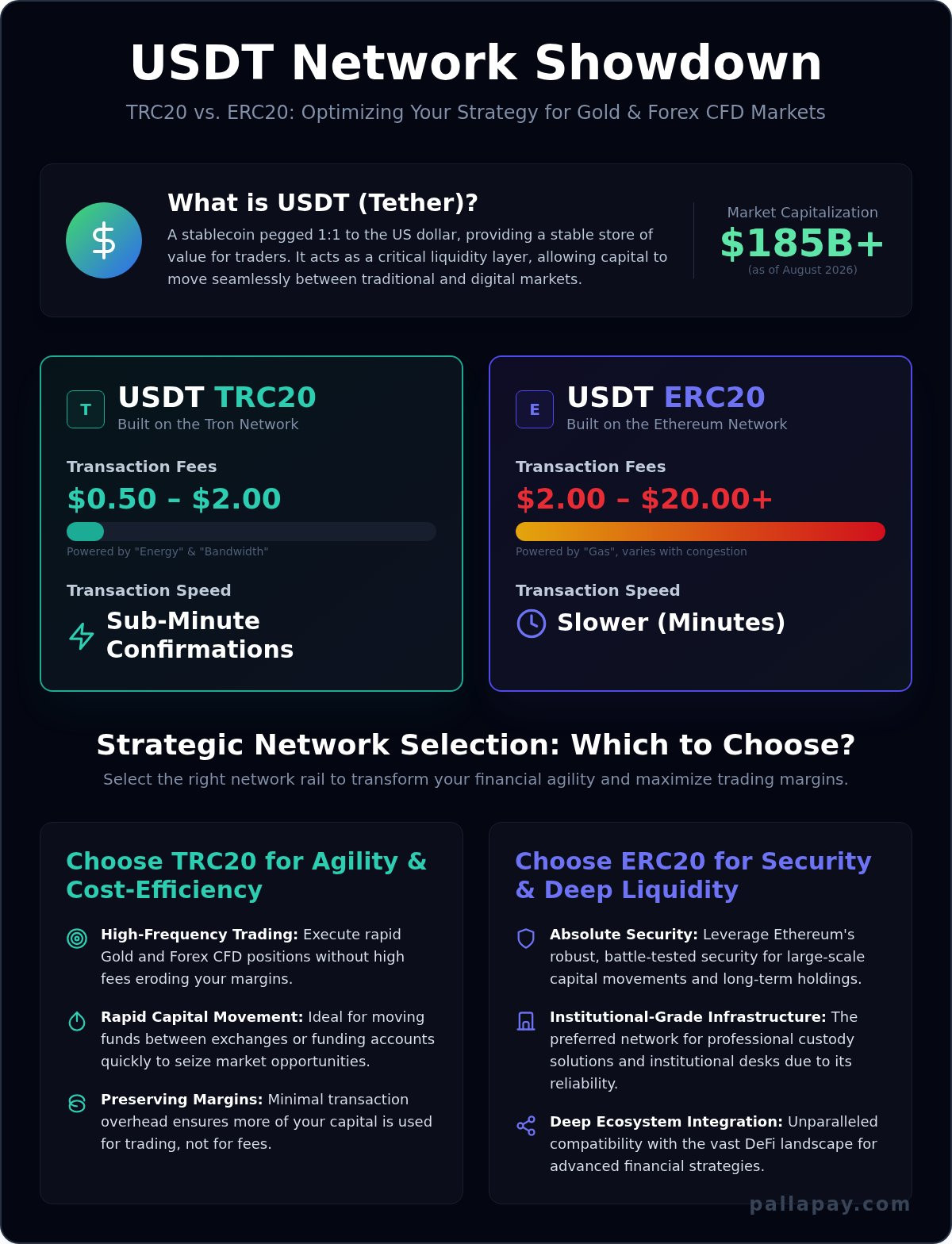
    Address errors remain a leading cause of friction. Sending TRC-20 USDT to an ERC-20 address often leads to permanent asset loss due to protocol incompatibility. Implementing checksum-validated address fields in your checkout process reduces these human errors significantly. A core risk factor is that blockchain transactions are irreversible once broadcast to the network. This permanence makes understanding double-spending and other ledger-level security threats vital for any merchant handling significant volume.

    Establishing a reliable payment flow isn’t just about retail efficiency; it’s the foundation for transformative wealth generation. Once you’ve mastered transaction stability, you can seamlessly transition funds into a Forex account to trade Gold (XAUUSD) or USD CFDs. This shift from simple processing to active market participation can fundamentally change an individual’s financial trajectory. Utilizing professional fiat settlement ensures your trading capital is liquid and ready when high-impact market opportunities arise.

    A Step-by-Step Protocol for Troubleshooting Failed Transactions

    Resolving a failed transaction requires a systematic approach that moves from public ledger data to private integration logs. When troubleshooting crypto payments, your objective is to isolate the failure point before it impacts the customer experience or your daily reconciliation. Start by locating the Transaction ID (TXID). This alphanumeric string serves as the definitive proof of payment on the blockchain. By entering this ID into a network-specific explorer, you can determine if the funds are actually in transit or if the transaction never reached the network.

    Step 2 involves confirming the number of network confirmations against your gateway’s required threshold. Most institutional gateways require multiple confirmations for Bitcoin or a single confirmation for high-speed networks like Tron to finalize a settlement. If a transaction shows zero confirmations after an extended period, it’s likely stuck in the mempool due to insufficient gas fees. At this stage, understanding the risks of using cryptocurrency, such as technical volatility and network congestion, helps you provide accurate status updates to your accounting department.

    Verifying On-Chain Status (TXID Analysis)

    Distinguishing between a “pending” and “dropped” transaction is vital for operational clarity. A pending transaction remains in the mempool waiting for a validator, while a dropped one has been purged by nodes and will never settle. Use multi-chain explorers to track these statuses across different protocols simultaneously. If a Bitcoin payment is delayed, you can suggest the customer utilize “Replace-By-Fee” (RBF) to increase the gas price and accelerate the broadcast. This proactive management ensures your liquidity remains accessible for future growth.

    Debugging API and Gateway Integration Errors

    If the blockchain confirms a successful transfer but your dashboard remains unchanged, the issue lies in your integration layer. Analyze your API response codes to identify common webhook failure scenarios, such as 404 or 500 errors. Ensure your Payment API is correctly configured to handle timeout signals and retry logic. Keeping your gateway firmware and software libraries updated is a simple yet effective way to prevent compatibility issues that lead to silent failures.

    Once the transaction clears, the final step is to initiate a crypto offramp to mitigate any lingering market volatility. Securing your capital in this manner is essential for merchants who want to leverage their retail revenue for more sophisticated wealth generation. By converting settled funds into a dedicated Forex account, you can explore the transformative potential of gold (XAUUSD) or USD CFD trading. This shift from manual payment troubleshooting to active capital management can fundamentally change your financial trajectory, turning simple business revenue into a high-growth investment engine.

    Beyond the Transaction: Leveraging Crypto for Forex and Gold CFD Trading

    Mastering the technical nuances of troubleshooting crypto payments is a vital defensive strategy; however, it only marks the beginning of a merchant’s digital journey. Once your transaction flows are stabilized and your settlement protocols are efficient, you possess a powerful resource: liquid digital capital. In the professional landscape of 2026, forward-thinking individuals are shifting their focus from basic payment processing to the transformative potential of global market participation. By utilizing settled USDT, you can bypass the multi-day delays and high fees of traditional banking systems to enter the Forex and commodity markets instantly.

    While the initial phase of troubleshooting crypto payments focuses on asset recovery, the secondary phase focuses on capital growth. Volatility is often viewed as a barrier to adoption by skeptics, but for a sophisticated trader, it represents a significant opportunity. CFD trading allows you to hedge against the very price swings that might otherwise impact your bottom line. By taking strategic positions in the market, you can protect your purchasing power while simultaneously building a secondary revenue stream that operates independently of your retail sales.

    The Financial Impact of Gold and USD CFD Trading

    Gold (XAUUSD) and USD CFDs have emerged as the preferred instruments for those seeking to diversify their holdings professionally. CFD trading allows you to speculate on price movements without the logistical burden of physical asset ownership. This flexibility is particularly valuable in the XAU/USD pair, where high liquidity ensures that large positions can be entered or exited with minimal slippage. This isn’t just about incremental gains. It’s about fundamentally changing your financial trajectory. When you leverage the volatility of the markets through strategic CFD positions, you turn a perceived risk into a structured opportunity for wealth generation.

    Converting Payment Settlement into Strategic Capital

    Integrating your crypto wallet with professional trading platforms creates a seamless bridge between your retail operations and the global markets. Using stablecoins as your base currency for Forex margin provides a competitive edge in speed and efficiency. Instead of waiting for bank wires to clear, your settled merchant revenue becomes strategic capital that can be deployed the moment a market signal appears. This professional evolution allows a business to move from passive merchant operations to active market participation, creating a resilient ecosystem where retail income and trading profits reinforce each other through institutional-grade tools.

    Troubleshooting Crypto Payments: A Professional Merchant Guide for 2026

    Optimizing Settlement and Reducing Future Payment Failures

    Reactive troubleshooting crypto payments is a necessary skill for asset recovery, but true operational excellence lies in preventing friction before it occurs. High-performance merchants in 2026 focus on optimizing the settlement layer to ensure that digital assets transition into usable capital without delay. By implementing fiat settlement, you bypass the traditional frictions associated with blockchain-to-bank transfers. This ensures that market volatility doesn’t erode your margins between the time of sale and the time of actual deposit, providing a stable foundation for your business’s liquidity.

    Streamlining In-Store and Online Checkouts

    Reducing customer-side errors is the most effective way to lower the volume of support tickets and failed transactions. Modern crypto POS machines significantly reduce manual entry errors by automating the address generation and network selection process for physical retail. For ecommerce environments, optimizing the checkout flow involves providing clear “Time-to-Pay” windows. These windows account for network variability, ensuring that a customer doesn’t send funds to an expired invoice, which is a primary cause of failed settlements and manual reconciliation efforts.

    Advanced Settlement Strategies

    Managing a high volume of transactions requires sophisticated automated reporting to keep your ledgers accurate. Setting up automated “Z-reports” for your crypto sales allows for seamless reconciliation between your digital ledger and traditional accounting software. These reports should handle edge cases like partial payments or overpayments automatically, either by issuing a programmatic refund or flagging the delta for review. As of June 2026, Travel Rule compliance is an essential component of every settlement workflow, requiring full sender and recipient details for every transfer to meet institutional standards and maintain regulatory standing.

    Security remains the backbone of this professional ecosystem. Utilizing multi-signature security for merchant cold storage ensures that your accumulated assets are protected by multiple layers of authorization. This level of safety allows you to move confidently from simple payment acceptance to active wealth generation. Once your settlement is optimized, your business capital is ready to be deployed into high-growth markets. Trading Gold (XAUUSD) or USD CFDs becomes a logical extension of your financial strategy, offering the potential to transform your business’s financial life through professional market engagement and leverage.

    To begin optimizing your merchant flow and securing your revenue, integrate our Payment API today for a seamless settlement experience.

    Scaling with Confidence: The Pallapay Secure Infrastructure

    Scaling a business in the digital asset space requires a partnership with a regulated financial institution that bridges the gap between disruptive tech and institutional reliability. Effective troubleshooting crypto payments at scale is only possible when your infrastructure is backed by global MSB registrations in the US and Canada. These registrations serve as a foundation of trust, ensuring that your capital is managed within a recognized legal framework. The Pallapay ecosystem serves as a definitive destination for these needs, offering everything from a high-volume OTC crypto exchange to integrated retail POS solutions.

    Operational friction can occur at any time, but it shouldn’t stop your progress. Our 24/7 professional support provides a dedicated safety net, assisting with complex transaction friction that might otherwise stall your cash flow. This reliable foundation is what allows a merchant to move from simple payment processing to the transformative wealth generation found in gold (XAUUSD) and USD CFD trading. By removing the technical burden of ledger reconciliation, you gain the clarity needed to focus on market growth.

    The Importance of Regulated Financial Partners

    MSB registration is a non-negotiable standard for merchants handling significant volume in 2026. It guarantees that your financial partner operates under strict regulatory oversight, which is essential for maintaining institutional trust during settlement. We prioritize crypto security through advanced multi-signature protocols and institutional-grade encryption for all settled assets. Our global network of physical offices provides a level of reliability for OTC desk operations that digital-only entities simply cannot provide, ensuring your large-scale conversions are handled with absolute stability.

    Unlocking Your Business Potential

    The Pallapay ecosystem is designed to support your business at every stage of its evolution. By streamlining the mechanics of troubleshooting crypto payments, we empower you to focus on the strategic growth of your capital. Integrating our Payment API is the final step in unlocking your business’s full potential for global commerce. Once your payment flows are secure and automated, you have the operational freedom to explore the transformative potential of the Forex market. Trading Gold and USD CFDs can fundamentally change your financial life, turning a standard retail operation into a sophisticated engine for capital growth and long-term wealth.

    Securing Your Financial Evolution in 2026

    Mastering the technical protocols for troubleshooting crypto payments transforms an operational hurdle into a decisive strategic advantage. You’ve learned how to isolate network friction and implement institutional settlement layers that protect your business margins from volatility. This transition isn’t just about operational efficiency; it’s about the freedom to deploy your capital into high-growth markets like Gold (XAUUSD) and USD CFDs. When your payment infrastructure is stable, your focus shifts toward the transformative potential of active market participation.

    Pallapay provides the institutional foundation for this growth, featuring official MSB registration in the US and Canada alongside a global presence in 180+ countries. Our comprehensive ecosystem includes physical OTC desks and retail POS hardware, ensuring your digital assets are always liquid and accessible. Integrate the Pallapay Payment API to secure your business today and unlock a new trajectory for your financial life. The bridge between traditional reliability and digital innovation is ready for your business to cross. You’re now equipped to turn every transaction into a stepping stone for global wealth generation.

    Frequently Asked Questions

    Why is my crypto payment still pending after an hour?

    A pending status usually indicates that the transaction hasn’t been picked up by a validator due to a low gas fee or high network congestion. When troubleshooting crypto payments, you should check the mempool status via a blockchain explorer. If the fee was set below the current market rate, the transaction remains in a waiting state until demand decreases or the sender utilizes a fee-boosting tool.

    What happens if a customer sends the wrong amount of cryptocurrency?

    Most payment gateways will flag the transaction as “Partially Paid” or “Overpaid” without automatically finalizing the order. For underpayments, the system typically waits for the remaining balance to be sent to the same address before releasing the goods. In the case of overpayments, the merchant must either manually reconcile the excess or utilize an automated system to refund the delta to the customer’s wallet.

    How do I troubleshoot a failed API call in my crypto gateway?

    Start by reviewing the HTTP response codes in your integration logs to identify the specific failure point. A 401 error suggests an issue with your API keys, while 422 or 400 errors often point to malformed request bodies or invalid wallet addresses. Ensuring your webhook endpoints are publicly accessible and capable of returning a 200 OK status is essential for maintaining a stable communication flow.

    Can I recover cryptocurrency sent to the wrong network protocol?

    Recovery is often impossible because blockchain transactions are irreversible and cross-chain compatibility is limited. If a customer sends TRC-20 USDT to an ERC-20 address, the assets are generally lost unless the receiving wallet provider has specific recovery tools. This highlights the importance of using a gateway that enforces network-specific address validation during the checkout process to prevent these high-risk errors entirely.

    How does network congestion affect my business settlement times?

    High congestion increases the time required to reach the necessary confirmation threshold for a final settlement. When the network is saturated, validators prioritize transactions with higher fees, leaving lower-fee business transfers in the mempool for longer periods. This delay can impact your liquidity, making it vital to use a provider that offers instant fiat conversion to shield your revenue from price fluctuations during the wait.

    Is it possible to automate the resolution of stuck crypto payments?

    Yes, automation is possible through features like Replace-By-Fee (RBF) or Child-Pays-For-Parent (CPFP) protocols. Advanced gateways can be configured to automatically detect stuck transactions and suggest a fee bump to accelerate the broadcast. This proactive approach to troubleshooting crypto payments reduces manual intervention and ensures that your ecommerce operations maintain a consistent settlement rhythm without requiring constant technical oversight.

    What is the role of a TXID in troubleshooting merchant payments?

    The Transaction ID (TXID) is the unique alphanumeric hash that serves as the definitive proof of a transfer on the public ledger. It allows you to track the exact status, timestamp, and network fees of any payment independently of your internal dashboard. For merchants, the TXID is the primary tool for reconciling blockchain data with fiat ledgers and resolving customer disputes regarding payment delivery.

    How can I use my settled crypto funds for Gold or Forex trading?

    Once your merchant revenue is settled into a secure wallet, you can transfer those funds directly to a professional Forex account. This allows you to leverage your capital by trading Gold (XAUUSD) or USD CFDs on global markets. Moving from simple payment processing to active trading can fundamentally change your financial life, turning standard business profits into a diversified engine for wealth generation through strategic market engagement.

    Disclaimer

    The information provided on this website and blog is for general informational and educational purposes only and does not constitute financial, investment, legal, tax, or other professional advice.
    Cryptocurrency and digital asset services may be subject to regulatory restrictions in certain jurisdictions. Users are solely responsible for ensuring compliance with applicable local laws and regulations before using any products or services mentioned on this website.
    PallaPay does not guarantee the accuracy, completeness, or timeliness of any information published and accepts no liability for any loss or damages arising from reliance on the content. Any opinions expressed are those of the respective authors and may change without notice.
    Certain services, features, or products referenced may be provided through third-party partners, licensed entities, or affiliated service providers subject to separate terms and regulatory approvals. Availability of services may vary by country or region.
    This website may contain references to digital assets, virtual currencies, or blockchain-related services that are not available to residents of certain jurisdictions, including where prohibited by law. Nothing on this website constitutes an offer, solicitation, or recommendation to buy or sell any financial instrument or virtual asset.

  • Pallapay API Documentation: A Developer Reference for Financial Transformation

    Pallapay API Documentation: A Developer Reference for Financial Transformation

    Could your trading platform maintain its edge during a sudden surge in Gold CFD volume if your settlement layer is still tethered to legacy banking delays? Most developers agree that while Forex and XAU/USD trading offers the potential for profound financial transformation, the bridge between digital assets and traditional fiat remains a significant technical bottleneck. You’ve likely faced the friction of complex authentication processes or the security concerns surrounding request signing when trying to build reliable off-ramps for trading profits. These hurdles shouldn’t stand in the way of a scalable infrastructure.

    This guide to the pallapay api documentation will empower you to master the integration of a robust crypto payment gateway designed for high-stakes financial environments. We’ll show you how to unlock new revenue streams by automating fiat settlements and securing your requests with the precision that institutional trading demands. We will walk through the essential SDKs, signature-based authentication methods, and real-time conversion flows that turn complex technical processes into standard business operations for your global trading platform.

    Key Takeaways

    • Modernize your financial infrastructure by leveraging the Pallapay ecosystem as a professional bridge between blockchain innovation and institutional reliability.
    • Implement secure authentication protocols, including HMAC SHA256 signatures, by following the structured guidelines in the pallapay api documentation.
    • Accelerate capital movement in Forex and Gold (XAU/USD) CFD trading to unlock the transformative potential of instant crypto liquidity.
    • Streamline global operations through automated payment links and real-time balance management across multiple digital assets.
    • Scale your trading platform with confidence by testing connectivity in the sandbox environment before expanding into high-concurrency global markets.

    Integrating the Pallapay API for Global Financial Transformation

    The architecture of global finance is shifting toward a model where digital assets and traditional fiat currencies coexist seamlessly. Pallapay serves as the professional bridge between disruptive blockchain technology and the institutional reliability required by modern commerce. By utilizing a sophisticated application programming interface (API), your business can bypass the structural inefficiencies of legacy banking systems. This integration isn’t just about data exchange; it’s about enabling real-time capital movement that matches the pace of the global markets.

    Trust in any financial system is built on a foundation of compliance and stability. Pallapay operates as a registered Money Services Business (MSB) within a multi-country regulated environment, ensuring that every transaction meets rigorous standards for security. This institutional-grade reliability is essential for brokers and traders who manage high-value assets. High-speed API calls facilitate instant execution, which means market opportunities in volatile sectors are never lost to settlement delays or technical friction.

    The Vision: From Integration to Financial Independence

    Traders who seek genuine financial transformation often find their progress stalled by sluggish payment rails. Automated crypto-to-fiat flows change this dynamic by providing immediate access to realized gains. When you focus on high-leverage sectors like Gold (XAU/USD) or USD CFD trading, the ability to move liquidity instantly becomes a vital competitive edge. Pallapay acts as a supportive facilitator, managing complex background processes so you can focus on market strategy. With a presence in over 180 countries, the ecosystem provides a robust foundation for global expansion. The pallapay api documentation provides the specific roadmap for this transition, ensuring your technical team can deploy automated crypto payments with absolute precision.

    Initial Steps: Merchant Account and API Key Acquisition

    Establishing your integration begins with a comprehensive verification process designed to protect the integrity of your operations. You’ll need to complete both personal and business verification (KYC/KYB) to unlock the full potential of the platform. Once your account is approved, the Merchant Dashboard serves as your central command center for managing credentials and monitoring transaction flows. To ensure a smooth setup, keep the following requirements ready:

    • Official business registration documents and proof of address.
    • Valid government identification for all company directors.
    • A clear overview of your intended transaction volume and use case.

    Within the dashboard, you’ll retrieve the unique credentials required to authenticate your requests. The Secret Key serves as the cornerstone of your request security, acting as the private component that validates every transaction your system initiates. Understanding how to handle these keys is a critical first step in exploring the pallapay api documentation and building a secure, scalable financial gateway.

    Technical Foundations: Authentication and Secure Request Signing

    Security is the primary concern for any developer managing institutional capital flows. Every request sent to the gateway must include three critical headers: X-Palla-Api-Key, X-Palla-Sign, and X-Palla-Timestamp. These headers work in tandem to authenticate the sender and verify the request’s integrity. The pallapay api documentation dictates that the X-Palla-Sign is generated using the HMAC SHA256 algorithm. This industry-standard approach ensures that your sensitive trading data remains tamper-proof during transit.

    Adopting these rigorous standards aligns your platform with the best practices found in the NIST Cybersecurity Framework, which emphasizes the importance of strong cryptographic signatures for data protection. By requiring a unique signature for every call, the system eliminates the risk of unauthorized tampering. If a single character in the request body or path is altered, the signature will not match, and the transaction will be rejected instantly.

    Constructing the X-Palla-Sign Header

    The signature generation process relies on a specific string concatenation logic that you must implement on your server. You’ll create a prepared string by joining the HTTP method, the request path, and the current Unix timestamp. It’s vital to follow the casing rules precisely; the method must be in uppercase, such as POST or GET, while the API path must be in lowercase. This string is then hashed with your Secret Key using HMAC SHA256 to produce a hex digest. The inclusion of a Unix timestamp is a critical defensive measure against replay attacks. Because the server only accepts requests with a timestamp close to the current time, an old request captured by a malicious actor cannot be reused to duplicate a transaction.

    Security Protocols and IP Whitelisting

    Operational security extends beyond the code itself and into your infrastructure management. You should use the Merchant Dashboard to restrict API access to specific server IP addresses, adding a physical layer of protection to your credentials. All interactions with the API must occur over HTTPS to protect the payload integrity from man-in-the-middle exploits. Integrating Pallapay’s security protocols into your server-side logic ensures that your platform remains resilient against evolving threats. Protecting your Secret Key is paramount; it should never be stored in client-side code or public repositories. If you’re ready to secure your financial infrastructure, you can integrate the crypto payment API to begin your transformation.

    Pallapay API Documentation: A Developer Reference for Financial Transformation

    Core API Endpoints: Managing Payments, Balances, and Webhooks

    Once you’ve established a secure connection using the authentication protocols discussed previously, the next phase of integration involves interacting with the core endpoints that drive financial activity. The pallapay api documentation provides a structured path for managing high-frequency transactions and real-time liquidity. Developers can choose between making direct REST API calls or utilizing the PHP SDK. While the SDK accelerates development for standard web applications, the REST API offers the granular control needed for high-concurrency trading bots or custom institutional platforms. This flexibility ensures that your infrastructure can grow alongside your trading volume.

    Maintaining visibility over your assets is just as critical as processing payments. The balance endpoint allows you to programmatically monitor your holdings across various digital assets in real time. This data is indispensable for brokers who must ensure they have sufficient liquidity to back leveraged positions in gold and currency markets. By automating these checks, you eliminate the risk of human error and ensure that your platform remains responsive to sudden market shifts. It’s the difference between a reactive system and a proactive financial powerhouse.

    Automating the Payment Lifecycle

    The /api/v1/payment/create endpoint is the primary tool for initiating capital flows. By passing required parameters such as the asset symbol and the transaction amount, you generate a unique payment_link that directs users to a secure checkout. You can also include optional fields like payerEmailAddress to enhance your internal reporting and customer tracking. Integrating fiat settlement directly into this flow ensures that trading profits are instantly converted into stable currencies. This process provides the immediate liquidity needed for rapid XAU/USD or USD CFD execution, allowing you to capitalize on price movements without the typical delays associated with traditional banking.

    Webhook Integration and Verification

    True automation relies on your server’s ability to react to events without manual intervention. Webhooks serve as the mechanism for Instant Payment Notifications (IPN), pushing data to your listener the moment a transaction status changes. Verification is essential here; you must validate the incoming payload against the signature headers to prevent spoofing attempts. Your system should be programmed to handle three primary states: Pending, Completed, and Failed. This logic ensures that your internal ledger stays perfectly synchronized with the blockchain. By automating these updates, you provide a seamless experience for traders who depend on the immediate availability of their funds for high-stakes operations.

    Unlocking the Potential of Forex and Gold CFD Trading via API

    Financial transformation in the trading sector requires more than just market insight; it demands the frictionless movement of capital across borders and asset classes. For Forex brokers and high-frequency traders, the ability to bridge digital liquidity with traditional CFD markets is a profound competitive advantage. The pallapay api documentation outlines the specific endpoints required to facilitate these high-stakes transfers, ensuring that capital is available exactly when the market presents a prime entry point. By integrating these solutions, platforms can offer their users a level of agility that traditional banking rails simply cannot match.

    High-leverage trading in commodities like Gold (XAU/USD) requires precise margin management and rapid settlement. Delays in deposit or withdrawal cycles can lead to missed opportunities or unnecessary liquidations during periods of high volatility. Using the Payment API, brokers can automate the intake of digital assets, providing traders with instant access to the USD-denominated accounts they need for CFD execution. This integration reduces the administrative burden on the broker while maximizing the trader’s potential for significant financial growth through efficient capital rotation.

    The Mechanics of Gold and USD CFD Settlements

    The system allows users to fund their trading accounts using USDT or BTC, which are then instantly converted to provide the necessary margin for Gold CFDs. This instant conversion is a critical tool for managing the inherent volatility of Forex pairs, as it locks in value before further market shifts occur. API-driven liquidity fundamentally alters a trader’s ability to capitalize on XAU/USD price movements by ensuring that capital is never sidelined during peak volatility. By removing the wait times associated with legacy wire transfers, you empower your users to trade with the speed of the modern market.

    Strategic Advantage for Forex Brokers

    Brokers who provide reliable, global crypto off-ramps for trading profits gain an immediate competitive edge in an increasingly crowded marketplace. The API supports sophisticated off-ramp services that allow institutional clients to withdraw gains directly to their chosen financial endpoints without friction. This transparency, backed by blockchain-verified transaction histories, builds a level of trust that is essential for long-term user retention and institutional credibility. If you’re ready to modernize your platform’s liquidity layer and offer superior settlement options, you should get started with the Pallapay API today to transform your operational efficiency.

    Scaling Your Infrastructure: From Sandbox to Global Market Expansion

    Moving from a development environment to a live production environment requires more than just a switch in API keys. It demands a rigorous validation of your connection and a deep understanding of how your system handles high-concurrency requests. The pallapay api documentation provides the /api/v1/api/ping endpoint as a primary diagnostic tool to verify connectivity before you process your first live transaction. This simple GET request ensures your server’s headers and signatures are correctly configured; it prevents costly downtime during your initial launch phase and confirms that your security handshake is functioning as intended.

    As your trading volume grows, especially in the high-liquidity XAU/USD and USD CFD markets, your infrastructure must account for rate limits and payload efficiency. For institutional-grade requirements, the ecosystem offers access to a global OTC network. This allows for large-scale fiat conversions and bank transfers that bypass the limitations of retail-level processing. By 2026, launching a compliant financial service requires this level of depth; it ensures that whether you’re settling a small retail trade or a multi-million dollar institutional position, the liquidity is always accessible and compliant with international standards.

    Monitoring and Optimization

    Maintaining a high success rate is essential for user trust and operational stability. You can use the Pallapay Merchant Dashboard to monitor API performance and transaction health in real time. Efficient error handling is a non-negotiable component of a professional integration; your system should be programmed to interpret and react to HTTP status codes like 401 (Unauthorized), 422 (Unprocessable Entity), and 500 (Internal Server Error). For those diversifying their offerings into e-commerce or retail sectors, optimizing the checkout flow for speed and safety is the final step in delivering a superior user experience that mirrors the efficiency of the trading floor.

    The Future of Your Financial Platform

    Integrating this technology allows your business to evolve from a simple gateway into a comprehensive financial partner. The platform supports your expansion into new global territories without requiring a corresponding increase in your technical overhead. By adopting a secure, API-first crypto strategy, you position your firm at the forefront of a global financial evolution. This transformation ensures that your platform remains a definitive destination for traders seeking the financial independence offered by modern CFD and commodity markets. The pallapay api documentation serves as your ongoing reference as you scale, providing the stability needed to navigate the future of global finance with confidence.

    Pioneering the Future of Global Trading Infrastructure

    The path toward profound financial transformation in the trading sector requires a secure, scalable foundation. By implementing the rigorous protocols found in the pallapay api documentation, you’ve gained the ability to secure every transaction with HMAC SHA256 request signing and automate capital flows into high-value Gold and USD CFD markets. This integration represents more than a technical upgrade; it’s a strategic move to position your platform at the center of a global shift where digital liquidity seamlessly enhances traditional finance.

    Pallapay operates as a regulated Money Services Business (MSB) in the USA and Canada, providing the institutional reliability necessary to service customers in over 180 countries. You now possess the architectural roadmap to eliminate settlement friction and capitalize on the volatility of XAU/USD price movements with unprecedented speed. This is your opportunity to lead the next generation of financial services and empower your users with tools that redefine their economic potential.

    Start your integration with the Pallapay Payment API today and build the bridge to a more efficient, high-performance financial future. Your evolution toward global market leadership starts with a single, secure connection.

    Frequently Asked Questions

    How do I generate the X-Palla-Sign for the Pallapay API?

    You generate the X-Palla-Sign by concatenating the HTTP method in uppercase, the request path in lowercase, and a current Unix timestamp. This string is then hashed with your private Secret Key using the HMAC SHA256 algorithm to create a hex digest. This process ensures the integrity of every call within the pallapay api documentation framework and prevents unauthorized request tampering.

    Can I use the Pallapay API to accept payments for Forex trading?

    Yes, the API is specifically designed to handle the high-speed capital requirements of Forex brokers. It allows traders to fund accounts instantly using digital assets, which are then converted to provide the necessary liquidity for USD-denominated trades. This reduces the friction typically found in legacy banking deposits and allows for more agile market participation.

    What programming languages are supported by the Pallapay SDK?

    Official SDKs are available for Python and PHP to streamline your integration process. The Python SDK reached version 1.0.0 in late 2024, providing a stable foundation for institutional applications. Developers can also interact directly with the REST API using any language that supports standard HTTP requests and HMAC SHA256 hashing logic.

    Is there a sandbox environment for testing the Pallapay API documentation?

    You can verify your integration by using the /api/v1/api/ping endpoint to test connectivity without initiating actual transactions. This serves as a vital diagnostic step for developers exploring the pallapay api documentation. It confirms that your headers and signature generation logic are correctly configured before you transition to the live production environment.

    How does Pallapay handle fiat settlement for Gold CFD trades?

    Pallapay facilitates instant conversion of incoming cryptocurrency, such as USDT or BTC, into stable fiat currencies like USD. This automated settlement ensures that Gold (XAU/USD) traders have the immediate margin required to capitalize on price movements. It eliminates the volatility risk associated with holding digital assets during the settlement window, providing a stable basis for commodity trading.

    What are the mandatory headers required for every API call?

    Every request sent to the Pallapay server must include the X-Palla-Api-Key, X-Palla-Sign, and X-Palla-Timestamp headers. These three components work together to authenticate your merchant account and verify that the request hasn’t been tampered with or replayed. Failing to include any of these headers will result in an immediate 401 Unauthorized error response.

    How do I set up webhooks to receive real-time payment notifications?

    You set up webhooks by configuring a listener URL within your Merchant Dashboard to receive asynchronous Instant Payment Notifications (IPN). When a transaction status changes, the server pushes a JSON payload to your endpoint. You must verify the signature provided in the webhook headers to ensure the data originated from Pallapay before updating your internal ledger or trading account balances.

    Is the Pallapay API compliant with MSB regulations in the US and Canada?

    Yes, Pallapay maintains strict regulatory compliance as a registered Money Services Business (MSB) with FinCEN in the United States and FINTRAC in Canada. This regulatory standing provides institutional-grade reliability for firms operating in the Forex and Gold CFD sectors. It ensures that your global operations are backed by a partner that adheres to rigorous international financial standards.

    Disclaimer

    The information provided on this website and blog is for general informational and educational purposes only and does not constitute financial, investment, legal, tax, or other professional advice.
    Cryptocurrency and digital asset services may be subject to regulatory restrictions in certain jurisdictions. Users are solely responsible for ensuring compliance with applicable local laws and regulations before using any products or services mentioned on this website.
    PallaPay does not guarantee the accuracy, completeness, or timeliness of any information published and accepts no liability for any loss or damages arising from reliance on the content. Any opinions expressed are those of the respective authors and may change without notice.
    Certain services, features, or products referenced may be provided through third-party partners, licensed entities, or affiliated service providers subject to separate terms and regulatory approvals. Availability of services may vary by country or region.
    This website may contain references to digital assets, virtual currencies, or blockchain-related services that are not available to residents of certain jurisdictions, including where prohibited by law. Nothing on this website constitutes an offer, solicitation, or recommendation to buy or sell any financial instrument or virtual asset.
  • Reconciling Crypto Sales in Accounting: A 2026 Guide for Modern Merchants

    Reconciling Crypto Sales in Accounting: A 2026 Guide for Modern Merchants

    With 39% of U.S. merchants now accepting digital assets, cryptocurrency accounts for over a quarter of their total revenue. Managing this volume is no longer a side project; it’s a core operational pillar. You’ve likely struggled with the friction of 24/7 market volatility and the frustration of tracking inconsistent network fees across various chains. We’ll help you master reconciling crypto sales in accounting to ensure your business remains audit-ready under the latest 2026 reporting standards. This guide provides the technical framework to streamline your month-end close and eliminate manual spreadsheet errors.

    Establishing this financial clarity allows you to confidently transition from simple payment acceptance to sophisticated wealth-building strategies. We’ll demonstrate how accurate reconciliation serves as the essential bridge to reinvesting your profits into the transformative world of Forex and Gold CFD trading. By the end of this article, you’ll understand how to turn your digital revenue into a stable, high-performance asset base through professional XAU/USD trading and strategic capital allocation.

    Key Takeaways

    • Understand the vital role of blockchain verification in maintaining MSB compliance and institutional-grade financial reliability across global jurisdictions.
    • Simplify the technical complexity of reconciling crypto sales in accounting by identifying and neutralizing hidden costs like network gas fees and exchange spreads.
    • Implement a structured workflow to aggregate and normalize real-time transaction data from crypto POS machines and automated API endpoints into a single functional currency.
    • Transition from basic digital asset acceptance to active wealth growth by utilizing audit-ready records as a foundation for high-leverage Gold and USD CFD trading.
    • Build a secure bridge between disruptive innovation and established financial practices using an integrated ecosystem designed for professional merchant scalability.

    What is Crypto Sales Reconciliation and Why Does It Matter?

    Reconciling crypto sales in accounting is the fundamental process of verifying internal merchant records against the immutable data of the blockchain ledger. It serves as the definitive proof that every digital asset received at the point of sale matches the eventual settlement in your financial accounts. For modern merchants, this isn’t just a ledger exercise; it’s the professional foundation that transforms volatile digital transactions into reliable, audit-ready capital. Effective systems for reconciling crypto sales in accounting eliminate the guesswork from high-frequency transaction environments, ensuring that your books reflect reality at every block confirmation.

    The necessity for precision has reached a critical point as international regulations tighten. Organizations now look toward the Crypto-Asset Reporting Framework (CARF) to standardize how digital asset information is exchanged across borders. Adhering to these standards ensures that your business remains transparent to stakeholders while minimizing tax liabilities that often arise from poorly tracked basis prices or missed network fees. By mastering this process, you bridge the gap between disruptive blockchain innovation and the institutional reliability required by global banking partners.

    The Role of MSB Registration in Compliance

    Maintaining a regulated status, such as Money Services Business (MSB) registration in the United States or Canada, is a hallmark of institutional financial reliability. When you work with providers that hold these official registrations, your financial statements carry the weight of global banking standards. This level of oversight is essential for passing rigorous anti-money laundering (AML) audits. It ensures that every transaction history is verified and clean, protecting your ability to convert digital revenue into liquid assets through professional fiat settlement services.

    Internal Records vs. Blockchain Data

    Discrepancies often occur because merchant records are typically off-chain entries that don’t always account for the real-time shifts of on-chain confirmations. Even a variance of a few cents can trigger a red flag during a tax audit, suggesting a lack of control over your financial ecosystem. Accurate reconciliation requires matching the exact timestamp of a sale with the specific block confirmation on the network. The reconciliation gap is the difference between transaction time value and settlement time value. Bridging this gap is the first step toward advanced financial strategies, such as reinvesting settled profits into high-performance markets like Gold and USD CFD trading. Clean records don’t just satisfy regulators; they unlock the leverage needed for significant wealth growth.

    Common Challenges in Reconciling Digital Asset Sales

    Merchants face a unique set of hurdles when scaling their digital asset acceptance. Managing high-frequency transactions from crypto POS machines requires a level of data precision that traditional retail software often lacks. Unlike credit card settlements that batch daily, crypto transactions occur on individual block times, creating a fragmented data trail across multiple wallets and payment gateways. This fragmentation makes reconciling crypto sales in accounting a labor-intensive process if not supported by an integrated ecosystem. Without a centralized view of these movements, the risk of data silos increases, leading to inaccuracies in the general ledger.

    The struggle is amplified by the misalignment between 24/7 blockchain activity and standard business banking hours. While the network never sleeps, traditional financial institutions operate on restricted schedules, creating delays in fiat settlement visibility. This temporal gap requires merchants to maintain rigorous internal logs to ensure that every digital payment is accounted for before it ever hits a bank statement. Mastering the nuances of reconciling crypto sales in accounting is the only way to ensure that these disparate data points align into a cohesive financial narrative.

    Volatility and Fair Market Value

    Determining the cost basis at the exact moment of sale is the primary accounting challenge. Because markets operate 24/7, the fair market value of an asset can shift significantly between the customer’s checkout and the merchant’s internal ledger entry. Current IRS guidance on digital assets treats these tokens as property, meaning every price fluctuation must be tracked to calculate capital gains or losses accurately. Price slippage during the conversion to fiat can create small but persistent discrepancies that complicate year-end reporting and skew profit margins if left unaddressed.

    Network Fees and Processing Commissions

    Hidden costs often skew financial statements if they aren’t categorized correctly. Network gas fees should be treated as operational expenses rather than lost revenue, yet many manual systems fail to separate these from the gross sale amount. When using a crypto payment gateway, merchants must also reconcile processing commissions and exchange spreads. Even hardware setup or maintenance fees for physical terminals must be tracked within the general ledger to maintain a clear path to profitability. Overcoming these administrative hurdles allows you to focus on high-impact growth, such as reinvesting settled capital into Gold and USD CFD trading. This transition from commerce to active trading can fundamentally change your financial life, provided your accounting foundation is built on accurate, integrated fiat settlement data.

    A Step-by-Step Guide to Reconciling Crypto Sales

    Mastering the mechanics of reconciling crypto sales in accounting requires a logical, step-by-step approach that prioritizes data integrity. The process begins with aggregating every transaction point into a single, verifiable dataset. Whether you are processing high-volume API-driven sales through an e-commerce store or managing physical retail transactions via hardware terminals, every entry must be captured. This unified view prevents the data silos that often lead to audit failures and ensures that your financial ledger reflects the true state of your digital assets.

    Once you’ve aggregated the raw data, the next critical step is normalization. This involves converting various cryptocurrency values into your functional currency, such as USD or EUR, based on the exact fair market value at the time of each transaction. Establishing this baseline is essential for generating a final reconciliation report that satisfies both internal stakeholders and external regulators. By standardizing these inputs, you create a professional financial foundation that supports both routine compliance and long-term strategic growth.

    Data Aggregation and Normalization

    Efficiency begins with a centralized merchant dashboard. Use this interface to export a comprehensive transaction history that includes timestamps, asset types, and gross amounts. To maintain accuracy across global operations, you must standardize all timestamps to a single time zone, typically UTC. You should also apply a consistent valuation methodology, such as First-In, First-Out (FIFO) or Last-In, First-Out (LIFO), to ensure your cost basis calculations remain uniform throughout the fiscal year. This technical discipline eliminates the erratic reporting often seen in less mature financial setups.

    Matching and Verification

    Verification is where you link the blockchain’s immutable Transaction ID (TXID) to the specific invoice within your ERP system. This step is vital for identifying “orphaned” transactions, which are payments received without a corresponding order number. After matching internal records, you must confirm the final conversion of these assets into local bank deposits. Utilizing a professional off-ramp service ensures that your fiat settlements are documented and traceable from the initial block confirmation to the final bank credit.

    Clean financial statements are more than a compliance requirement; they are the catalyst for personal and corporate wealth transformation. When you have mastered reconciling crypto sales in accounting, you possess the clear financial visibility needed to reinvest your settled profits into higher-yield opportunities. This precision allows you to confidently enter the world of Forex and Gold CFD trading. By leveraging accurate data, you can transition from simple merchant operations to active wealth management, using XAU/USD trading to change your financial life and secure a more prosperous future.

    Reconciling Crypto Sales in Accounting: A 2026 Guide for Modern Merchants

    Leveraging Reconciliation for Advanced Trading and Growth

    Clean financial records act as more than just a regulatory shield; they are a vital strategic asset. Moving from digital asset acceptance to active wealth management requires a level of data precision that only professional accounting can provide. When you finish reconciling crypto sales in accounting, you possess a transparent map of your capital. This clarity allows you to transition from a passive recipient of digital payments to a proactive participant in global markets. High-performance growth is built on the back of audit-ready data, turning your daily revenue into a launchpad for sophisticated investment strategies.

    Establishing this institutional-grade foundation is the definitive step toward diversifying your business treasury. By reconciling crypto sales in accounting, you eliminate the ambiguity of “hidden” costs and volatility gaps, revealing the true liquid strength of your operation. This verified liquidity is the essential fuel for high-leverage markets. It enables you to move beyond the limitations of standard commerce and enter a space where your capital works with institutional efficiency.

    The Path to Forex and CFD Trading

    Professional trading accounts require the same level of financial diligence found in traditional institutional finance. To access high-leverage Forex markets, you must demonstrate a consistent and verifiable track record of capital movement. Exploring the mechanics of Gold (XAU) and USD CFD trading offers a sophisticated path for asset protection and wealth accumulation. This calculated market exposure has the transformative potential to change an individual’s financial life. It shifts the focus from simple transaction processing to strategic capital appreciation within the world’s most liquid currency and commodity markets.

    Reinvesting Reconciled Profits

    Success in modern commerce involves moving settled capital from stablecoin holdings into commodity-backed assets to hedge against inflation. Rapid reinvestment in Forex signals requires the kind of liquid settlement that only a streamlined reconciliation process can guarantee. Reconciled crypto sales provide the liquidity needed for XAU/USD leverage trading. This fluid movement of capital ensures you can act on market opportunities the moment they arise, rather than waiting for manual audits to clear. To begin your journey toward institutional-grade growth, partner with a strategic financial facilitator that handles the complex background processes of settlement and conversion.

    Ready to transform your digital revenue into a high-performance trading portfolio? Explore how our integrated ecosystem supports your growth from merchant to market leader.

    Pallapay: Your Partner in Secure and Compliant Crypto Operations

    Pallapay positions itself as the definitive destination for merchants who require more than just a digital tool. We offer a sophisticated, integrated ecosystem that handles the complex background processes of digital commerce with institutional reliability. By maintaining a physical presence with OTC desks in major financial hubs like Singapore and Istanbul, we provide a level of security and accessibility that purely digital competitors can’t match. This global footprint ensures that reconciling crypto sales in accounting becomes a streamlined, professional operation rather than a technical burden.

    Our platform bridges the gap between disruptive technological shifts and the practical needs of modern commerce. We understand that for a business to scale, it needs a strategic partner that prioritizes stability and utility. We’ve built our services to instill a sense of absolute trust, allowing you to focus on high-level growth while we manage the intricacies of blockchain verification. Mastering the process of reconciling crypto sales in accounting is the first step in a larger journey toward global financial evolution.

    Integrated Merchant Solutions

    Efficiency is the backbone of our merchant offerings. The Pallapay merchant dashboard includes automated reporting features that aggregate transaction data in real time, eliminating the need for manual spreadsheet entry. We provide direct fiat settlement options to reduce reconciliation complexity and ensure your bank deposits always match your internal sales logs. For high-volume institutional clients, our dedicated OTC desks offer personalized support, ensuring that even the largest capital movements are handled with speed and precision.

    Building Absolute Trust and Stability

    Our commitment to MSB compliance ensures that every transaction meets the highest global banking standards. We adhere to rigorous crypto security protocols to protect your digital assets from the moment of sale to the point of reinvestment. By utilizing our payment API, you ensure that every sale is tracked and auditable, creating a transparent financial trail for stakeholders. This level of diligence is what allows our partners to confidently transition into advanced markets.

    When your accounting is audit-ready, you can explore the transformative potential of trading to change your financial life. Reconciled profits provide the necessary foundation to engage in Gold and USD CFD trading with confidence. By diversifying into XAU/USD markets, you move beyond simple payment processing and into a realm of strategic wealth accumulation. Pallapay is here to facilitate that transition, serving as the professional bridge to your financial future.

    Securing Your Financial Future Through Integrated Accounting

    Establishing a professional foundation for reconciling crypto sales in accounting is the definitive step toward institutional-grade growth. By eliminating the friction of manual data entry and volatile price tracking, you ensure your business remains audit-ready and compliant with the latest global standards. This clarity does more than satisfy regulators; it reveals the true liquid strength of your operation. As an award-winning global fintech provider serving customers in over 180 countries, Pallapay offers the stability you need to scale. Our official MSB registrations in the USA and Canada guarantee that your financial evolution is built on a secure, regulated framework.

    With clean financial records, you’re no longer just processing payments. You’re building a gateway to transformative wealth through Gold and USD CFD trading. Reaching the next level of financial success requires moving beyond simple commerce and into high-performance market participation. It’s time to turn your digital revenue into a high-leverage portfolio that can change your financial life forever. Streamline your crypto settlements with Pallapay today and begin your journey toward active market leadership.

    Frequently Asked Questions

    What is the most common mistake in crypto sales reconciliation?

    The most common mistake is failing to record the fair market value of the asset at the exact moment of the transaction. This oversight creates significant discrepancies when reconciling crypto sales in accounting because the asset’s value often shifts before settlement occurs. Merchants who don’t track these real-time valuations risk overstating capital gains or facing penalties during a tax audit. Accurate data entry at the point of sale is the only way to ensure institutional-grade reliability.

    How often should a business reconcile its cryptocurrency transactions?

    High-volume merchants should ideally reconcile their transactions daily to maintain data integrity and avoid fragmentation. At a minimum, a monthly reconciliation is required to close the books and ensure your financial statements are accurate. Real-time tracking through an integrated dashboard prevents the accumulation of “orphaned” transactions and simplifies the transition of settled capital into active investment accounts. This consistent discipline ensures that your business remains audit-ready throughout the fiscal year.

    Can I use standard accounting software like QuickBooks for crypto reconciliation?

    You can use standard accounting software like QuickBooks, but it requires a specialized bridge to import blockchain data effectively. Because these platforms don’t natively track wallet addresses or network fees, merchants must use an API or merchant dashboard to export standardized files. This process ensures that digital asset movements are correctly mapped to traditional charts of accounts. Without this integration, manual entry errors can quickly compromise the accuracy of your financial ledger.

    What is the difference between FIFO and LIFO in crypto accounting?

    FIFO (First-In, First-Out) treats the oldest assets as the first ones sold, which is the standard methodology for most tax jurisdictions. LIFO (Last-In, First-Out) assumes the most recently acquired assets are sold first, which can be useful in specific market conditions. Choosing a consistent method is essential when reconciling crypto sales in accounting to ensure your cost basis calculations remain uniform. Professional merchants must document this choice to maintain transparency with stakeholders and regulators.

    How do I handle gas fees and network costs during reconciliation?

    Gas fees and network costs should be categorized as deductible operational expenses within your general ledger. Rather than ignoring these small amounts, you must subtract them from the gross transaction value to determine your true net profit. Tracking these fees individually ensures that your financial records are precise and that you aren’t paying taxes on revenue lost to network congestion. This technical precision is what separates institutional operations from amateur setups.

    Why is MSB registration important for my crypto-accepting business?

    MSB registration is critical because it signals institutional-grade reliability and compliance with anti-money laundering (AML) regulations. Working with a registered provider ensures that your digital asset operations meet global banking standards in the USA and Canada. This regulated status is essential for merchants who wish to convert their crypto revenue into fiat and access professional trading markets. It provides the security needed to scale without the risk of regulatory friction.

    How does reconciling crypto sales help with Forex or Gold trading?

    Accurate reconciliation provides the verified financial history needed to qualify for high-leverage professional trading accounts. When your records are audit-ready, you can confidently reinvest settled profits into Gold and USD CFDs to hedge against inflation. This transition from passive commerce to active wealth management is only possible when you have a transparent view of your available liquidity. It allows you to use your business revenue to change your financial life through strategic market exposure.

    What documentation is required for a crypto accounting audit?

    You must maintain a comprehensive digital trail that includes Transaction IDs (TXIDs), exact timestamps, and fair market value at the time of sale. Additionally, you should keep all corresponding invoice numbers and bank deposit confirmations for fiat settlements. This documentation proves the legitimacy of your revenue and ensures a seamless experience during any regulatory audit. Comprehensive records are the professional bridge between disruptive technology and established financial reliability.

    Disclaimer

    The information provided on this website and blog is for general informational and educational purposes only and does not constitute financial, investment, legal, tax, or other professional advice.
    Cryptocurrency and digital asset services may be subject to regulatory restrictions in certain jurisdictions. Users are solely responsible for ensuring compliance with applicable local laws and regulations before using any products or services mentioned on this website.
    PallaPay does not guarantee the accuracy, completeness, or timeliness of any information published and accepts no liability for any loss or damages arising from reliance on the content. Any opinions expressed are those of the respective authors and may change without notice.
    Certain services, features, or products referenced may be provided through third-party partners, licensed entities, or affiliated service providers subject to separate terms and regulatory approvals. Availability of services may vary by country or region.
    This website may contain references to digital assets, virtual currencies, or blockchain-related services that are not available to residents of certain jurisdictions, including where prohibited by law. Nothing on this website constitutes an offer, solicitation, or recommendation to buy or sell any financial instrument or virtual asset.

  • How to Train Staff to Accept Crypto Payments: A 2026 Guide to Digital Financial Transformation

    How to Train Staff to Accept Crypto Payments: A 2026 Guide to Digital Financial Transformation

    By 2026, over 45% of global merchants are projected to move beyond traditional card readers to accept digital assets according to data from Pallapay. You likely recognize that staying competitive in this landscape requires more than just installing new software. It demands a team that understands how to train staff to accept crypto payments effectively to ensure every transaction is secure and friction-free. While it’s common to fear high error rates or technical confusion during early adoption, these hurdles are easily cleared with a structured approach to institutional reliability.

    This guide provides a comprehensive framework to empower your team with absolute precision, ensuring your checkout process remains professional and reliable. We’ll explore practical protocols to eliminate network confusion and demonstrate how this technical proficiency serves as a gateway to more sophisticated financial strategies. By mastering digital transactions, your team gains the foundation needed to understand the transformative potential of Forex and gold CFD trading. This knowledge allows your business to move beyond simple transactions and embrace the financial impact of global markets, turning standard operations into a launchpad for long-term growth.

    Key Takeaways

    • Professionalize your point-of-sale experience by mastering the technical distinctions between dedicated Crypto POS machines and integrated digital payment gateways.
    • Implement a standardized 5-step operational workflow on how to train staff to accept crypto payments, ensuring precise network verification for USDT, BTC, and Ethereum.
    • Protect your business through advanced security protocols and MSB registration standards that mitigate volatility risks and prevent transaction scams.
    • Bridge the gap between retail operations and institutional finance by educating your team on the mechanics of gold and USD CFD trading.
    • Foster a culture of financial empowerment where staff utilize their knowledge of Forex and commodity markets to unlock new levels of professional growth.

    Why Crypto and CFD Trading Knowledge is the New Staff Essential

    The global economy is rapidly shedding the inefficiencies of traditional banking. Modern businesses are no longer just points of sale; they’re becoming active participants in a digital financial evolution. Understanding What is Cryptocurrency? is no longer optional. It’s the essential first step in a larger journey toward total market literacy. When you consider how to train staff to accept crypto payments, you aren’t just teaching them to scan a QR code. You’re equipping them with the vocabulary of modern finance and the technical confidence of a global industry leader.

    There’s a direct, functional link between processing a USDT transaction and understanding the mechanics of CFD trading. Both rely on the same underlying principles of digital asset management, speed, and market valuation. By 2026, the most successful businesses will be those where staff can discuss the benefits of digital assets with the same ease they have with traditional currency. This transition creates a professional environment that prioritizes institutional reliability over the erratic language of emerging tech. Framing crypto acceptance as a career-advancing skill ensures your team sees themselves as facilitators of progress rather than just retail operators.

    The Transformative Power of Modern Financial Markets

    Forex and CFD trading offer a pathway to financial independence that traditional banking systems often fail to provide. For a staff member, learning the mechanics of trading Gold (XAU/USD) offers a practical education in how to hedge against inflation and build a second stream of potential income. This isn’t just about business growth. It’s about personal financial transformation. A team that understands how price fluctuations in the USD impact global trade is a team that can provide superior service to sophisticated clients. Digital assets serve as the entry point to this high-level market engagement, turning every transaction into a learning opportunity.

    Bridging the Gap Between Innovation and Reliability

    Pallapay acts as a strategic partner that handles complex background processes, allowing your business to focus on operational growth. We provide the professional bridge between established commerce and blockchain utility. For employees in retail store environments, this means having access to secure, utility-focused tools like the Crypto POS Machine. Our ecosystem is built on safety and speed, ensuring that every technical conversion feels like a standard, effortless operation. We support your staff’s learning journey by framing technical terms within the context of simplicity and long-term financial stability.

    Mastering the Hardware: Training on Crypto POS and Gateways

    Effective implementation starts with a clear distinction between physical infrastructure and digital interfaces. While online gateways facilitate ecommerce growth, the physical Crypto POS machine anchors the retail experience. When you’re determining how to train staff to accept crypto payments, the first priority is hardware proficiency. Modern terminals utilize NFC technology for rapid, touchless payments, while QR codes provide a universal standard for cross-wallet compatibility. Staff must understand that these tools aren’t just gadgets; they’re professional instruments designed for institutional financial reliability.

    One of the primary concerns for retail teams is price volatility. You can eliminate this anxiety by training staff on the “Instant Conversion” feature. This tool automatically locks in the fiat value at the moment of transaction, ensuring the business receives the exact amount in USD regardless of market shifts. If a terminal loses connectivity, staff should know to check the local network status before attempting a reboot. This ensures a seamless customer journey without technical friction or unnecessary delays at the register.

    Hands-on with the Crypto POS Machine

    Initiating a sale on a physical terminal is as straightforward as traditional card processing. Staff select the desired cryptocurrency, such as USDT or Bitcoin, and the terminal generates a unique QR code for the customer to scan. It’s vital that employees can explain the difference between blockchain networks to prevent transaction errors. For instance, knowing when to use Ethereum’s ERC-20 versus Tron’s TRC-20 protects both the customer and the merchant. For a deeper look at hardware capabilities, review our Crypto POS Machine guide.

    Managing the Merchant Dashboard

    The merchant dashboard serves as the nerve center for your financial operations. Senior staff should be proficient in monitoring real-time sales and utilizing the fiat settlement feature to maintain liquidity. This dashboard also simplifies compliance with IRS crypto reporting requirements by generating detailed transaction logs. These reports are essential for accurate accounting and reconciliation. By mastering these background processes, your team ensures the business remains a stable partner in the global market. To streamline your back-office flow, consider integrating our payment API into your existing systems.

    How to Train Staff to Accept Crypto Payments: A 2026 Guide to Digital Financial Transformation

    The 5-Step Workflow for Processing Crypto Transactions

    Establishing a precise protocol is the most effective way to eliminate operational friction and ensure institutional reliability. Much like how a manufacturer might explore Valve Bag Fillers to automate and refine their packaging systems, a business owner must implement technical standards for their financial operations. When you develop a strategy on how to train staff to accept crypto payments, you must replace guesswork with a standardized, five-step checklist. This workflow ensures that every transaction is handled with the same level of security as a traditional bank wire while maintaining the speed of a digital asset transfer.

    • Initiation: Staff must first confirm the customer’s preferred currency. Whether it is USDT, Bitcoin, or Ethereum, selecting the correct asset on the terminal is the foundation of a successful transaction.
    • Verification: This is a critical step where many untrained teams fail. Staff must verify the blockchain network with the customer, distinguishing between ERC-20, TRC-20, or native networks to prevent funds from being sent to an incompatible address.
    • Execution: The terminal generates a unique QR code or activates NFC for a touchless scan. This process should be presented to the customer with the confidence of a global industry leader.
    • Confirmation: Unlike credit cards, blockchain transactions require network validation. Staff should be trained to explain the “pending” state professionally, reassuring the customer that the transaction is being secured by the ledger.
    • Finalization: Once confirmed, the system issues a digital or physical receipt. At this stage, the merchant dashboard confirms the fiat settlement status, ensuring the business’s liquidity is maintained.

    For more detailed compliance guidance, staff can refer to the virtual currency transaction FAQs to understand how these steps align with global reporting standards.

    Handling Different Payment Scenarios

    Operations in retail stores require a different pace than high-ticket service environments. In a retail setting, speed is the priority. For high-value transactions, such as gold or luxury assets, the focus shifts to rigorous verification. If a refund is required, staff must understand that crypto transactions are irreversible on the blockchain. Instead, the business processes the refund through the fiat settlement account, maintaining a clean audit trail. Explaining transaction fees should be handled with authoritative clarity, framing them as the cost of a secure, global financial network.

    Using the Pallapay Mastercard for Business Expenses

    The digital financial cycle isn’t complete until the received assets are put to work. Training your team on the off-ramp process is essential for operational efficiency. By using the Pallapay Mastercard, your business can convert received crypto into spendable fiat instantly to cover daily expenses. This demonstrates the lack of friction in the modern commerce cycle. This practical experience with digital liquidity serves as a bridge to more advanced financial strategies, such as managing a Forex account or engaging in gold CFD trading to maximize the business’s capital growth.

    Security Protocols and Managing Volatility Objections

    Security is the foundation of institutional financial reliability. When you evaluate how to train staff to accept crypto payments, your curriculum must prioritize the detection of sophisticated fraud. A common tactic in the digital asset space involves bad actors presenting fake transaction screenshots to simulate a successful transfer. Staff must be trained to never rely on a customer’s device for confirmation. Instead, they should only finalize a sale once the transaction appears as “confirmed” on the business’s own merchant dashboard or POS terminal. This simple protocol eliminates the risk of social engineering and ensures that every digital asset transfer is backed by verified blockchain data.

    Volatility remains the primary objection from both staff and customers. You can resolve this by positioning stablecoins like USDT as the standard for retail commerce. Since stablecoins account for approximately 82% of crypto gateway volume in 2026, they provide a price-stable entry point that mirrors the reliability of the USD. If a customer asks, “What if the price drops while I am paying?” staff should confidently explain that the system locks in the conversion rate at the exact moment the QR code is scanned. This professional assurance transforms a potential barrier into a demonstration of the platform’s technical sophistication.

    Security as a Sales Tool

    Your team should be able to explain blockchain security without relying on confusing technical jargon. A Secure Gateway is a hardened digital interface that encrypts transaction data and verifies blockchain ledger entries in real-time to ensure irrevocable fund transfers. By framing security as a benefit, staff can reassure skeptical clients that digital transactions offer a level of transparency and safety that traditional systems often lack. For a more comprehensive technical breakdown, encourage your team to study our Crypto Security guide. This deeper understanding allows them to act as knowledgeable strategic partners for your customers.

    Compliance and KYC Procedures

    Trust is built through transparency and regulatory alignment. Staff must understand that identity verification and KYC (Know Your Customer) procedures are not hurdles, but essential components of a secure global financial evolution. High-net-worth clients, particularly those interested in gold and USD CFD trading, value the protection that comes with MSB (Money Services Business) registration. Being registered as an MSB in jurisdictions like the US and Canada signals that your business adheres to strict anti-money laundering standards. This compliance builds absolute trust and positions your brand as a supportive facilitator in the modern financial landscape. To ensure your business meets these global standards, secure your retail operations today with our fully compliant payment ecosystem.

    Beyond the Register: Incentivizing Staff with Financial Literacy

    Mastery of the payment terminal is only the first stage of a successful digital transformation. To ensure long-term adoption, you must move beyond the technical mechanics and foster a “trading-savvy” culture within your team. When you refine your strategy on how to train staff to accept crypto payments, you create a unique opportunity to align employee interests with the business’s financial evolution. Encouraging your team to follow the Gold and USD CFD markets transforms them from passive operators into informed participants in the global economy. This high-level market awareness allows them to speak with the confidence of a strategic partner when interacting with your most sophisticated clients.

    Personal engagement is the strongest driver of professional proficiency. By introducing staff to the Pallapay Wallet as a personal finance tool, you allow them to experience the speed and safety of digital assets firsthand. This practical experience makes the transition from traditional systems feel effortless and standard. Furthermore, implementing reward programs for staff who successfully facilitate crypto transactions incentivizes the team to actively promote your modern payment options. This approach turns every checkout interaction into a moment of professional growth and financial empowerment.

    Education as a Retention Strategy

    Teaching the mechanics of CFD trading significantly increases employee loyalty and professional value. When staff understand how trading Gold (XAU/USD) acts as a hedge against market shifts, they gain a skill set that can change their personal financial life. Providing resources on the financial impact of commodity markets helps your team see the broader utility of the tools they use daily. This educational path allows an employee to transition from a standard cashier role to a specialized digital asset consultant. This professional elevation ensures your business retains top-tier talent that is deeply invested in the success of your digital financial ecosystem.

    The Future of Global Commerce

    2026 marks a pivotal moment for digital asset adoption, with regulatory frameworks like MiCA and the UK’s FCA rules providing the institutional reliability needed for global growth. Your staff should view themselves as essential components of this global evolution. By mastering how to train staff to accept crypto payments today, you are future-proofing your operations against the inevitable shift toward decentralized finance. This commitment to innovation positions your brand as a forward-thinking leader in modern commerce. To begin this journey and unlock the full potential of your team, empower your business with Pallapay Merchant Solutions and secure your place in the future of finance.

    Leading the Digital Financial Evolution

    Adopting digital assets is a core strategic requirement for global commerce. By establishing a standardized 5-step workflow and prioritizing hardware proficiency, you ensure your business operates with institutional financial reliability. Mastering how to train staff to accept crypto payments provides your team with more than just technical skills. It offers a gateway to understanding the transformative potential of gold and USD CFD trading. This knowledge allows your employees to grow alongside the modern market, turning retail operations into a hub for financial literacy.

    Pallapay supports this transition with official MSB registrations in the US and Canada, serving partners across 180+ countries. Our ecosystem ensures secure fiat settlement for all transactions to remove the friction of volatility while maintaining the speed of the blockchain. As you empower your team with these tools, you aren’t just updating a register; you’re building a foundation for market leadership. Equip your team with the Pallapay Crypto POS and Merchant Gateway to begin your journey into the future of integrated finance. The evolution of global commerce is here, and your business is ready to lead it.

    Frequently Asked Questions

    How long does it take to train staff to accept crypto payments?

    Technical proficiency in how to train staff to accept crypto payments typically requires only one to two hours of hands-on instruction. This timeframe allows your team to master the Crypto POS Machine interface and the merchant dashboard. Most employees achieve full operational confidence after completing five supervised test transactions to ensure they understand QR code generation and network verification protocols.

    Do my employees need to understand blockchain technology to process payments?

    No, your staff don’t need a deep technical understanding of blockchain architecture to facilitate daily commerce. Our ecosystem is designed for institutional financial reliability, making digital transactions feel like standard, effortless business operations. While a basic grasp of digital assets is beneficial, the primary training focus should remain on navigating the utility-focused interface of the merchant gateway.

    What is the most common mistake staff make when accepting crypto?

    The most frequent error is the selection of an incompatible blockchain network, such as confusing Ethereum’s ERC-20 with Tron’s TRC-20. This mistake can lead to lost funds if the sender and receiver aren’t aligned on the same network. Staff must be trained to verify the specific network with the customer during the initiation phase to maintain a secure and error-free checkout process.

    How can I motivate my team to embrace cryptocurrency payments?

    Motivation comes from connecting digital payments to broader financial empowerment and professional development. You can encourage your team by offering workshops on gold and USD CFD trading. When staff understand how these markets provide a second stream of potential income, they view the payment gateway not just as a tool, but as an essential component of their own financial life.

    Is it safe for my staff to handle crypto transactions on their personal phones?

    It’s not recommended for staff to use personal devices for professional business transactions. Dedicated hardware like the Crypto POS Machine provides a secure, hardened environment that protects the business’s digital assets. Using professional infrastructure ensures institutional reliability and prevents the security risks associated with unmanaged personal software or potential phishing attempts on private mobile devices.

    What should staff do if a crypto transaction fails or stays pending?

    Staff should wait for the required network confirmations rather than re-initiating the sale if a transaction stays pending. They can monitor the transaction status in real-time through the merchant dashboard to confirm validation. In the rare event of a failure, staff should verify the customer’s network selection and wallet balance before attempting a new transaction to ensure a professional resolution.

    Can we accept crypto payments for high-ticket items like gold or Forex services?

    Yes, digital assets are highly efficient for high-ticket transactions, particularly in the gold and Forex trading sectors. Many institutional clients prefer using USDT or Bitcoin to fund a Forex account or to engage in gold CFD trading. This integration allows your business to facilitate large-scale financial transfers with greater speed and significantly lower friction than traditional banking systems.

    How do I explain crypto transaction fees to a customer?

    Explain transaction fees as the necessary cost for blockchain network validation and absolute transaction security. You should clarify that these fees are paid to the decentralized network to ensure the transfer is irrevocable and secure. Framing this with authoritative clarity helps customers understand the value of the secure, global infrastructure they’re utilizing for their purchase.

    Disclaimer

    The information provided on this website and blog is for general informational and educational purposes only and does not constitute financial, investment, legal, tax, or other professional advice.
    Cryptocurrency and digital asset services may be subject to regulatory restrictions in certain jurisdictions. Users are solely responsible for ensuring compliance with applicable local laws and regulations before using any products or services mentioned on this website.
    PallaPay does not guarantee the accuracy, completeness, or timeliness of any information published and accepts no liability for any loss or damages arising from reliance on the content. Any opinions expressed are those of the respective authors and may change without notice.
    Certain services, features, or products referenced may be provided through third-party partners, licensed entities, or affiliated service providers subject to separate terms and regulatory approvals. Availability of services may vary by country or region.
    This website may contain references to digital assets, virtual currencies, or blockchain-related services that are not available to residents of certain jurisdictions, including where prohibited by law. Nothing on this website constitutes an offer, solicitation, or recommendation to buy or sell any financial instrument or virtual asset.

  • Mastering the Crypto Merchant Dashboard: A 2026 Tutorial for Global Growth

    Mastering the Crypto Merchant Dashboard: A 2026 Tutorial for Global Growth

    In 2026, a professional interface serves as more than a ledger; it functions as a sophisticated bridge between digital commerce and global financial markets. You likely recognize the frustration of managing multi-currency settlements while fearing that interface lag might cause you to miss pivotal market movements. This crypto merchant dashboard tutorial is designed to eliminate that friction, providing a clear path to integrate your payment flow with high-growth assets.

    Transitioning from simple payment acceptance to active capital management is the most effective way to secure long-term stability. It’s vital to establish a streamlined workflow that offers total visibility on fiat settlements and the ability to diversify instantly into Gold (XAU/USD) and USD CFDs. This guide explores how to navigate your dashboard to unlock these transformative trading opportunities, moving your business from basic operations to strategic financial expansion through Forex and commodity markets.

    Key Takeaways

    • Establish a secure foundation for digital asset management by configuring your dashboard for maximum efficiency and real-time visibility.
    • Master the step-by-step transaction workflow within this crypto merchant dashboard tutorial to generate payment requests via virtual terminals or dynamic QR codes.
    • Optimize business liquidity by leveraging seamless fiat settlements and utilizing USDT reserves to hedge against currency fluctuations.
    • Unlock transformative growth by integrating Gold (XAUUSD) and USD CFD trading to diversify capital into traditional commodity and currency markets.
    • Scale your enterprise operations through a regulated ecosystem that combines digital payment gateways with physical POS infrastructure for global reach.

    Setting Up Your Crypto Merchant Dashboard for Maximum Efficiency

    Establishing a secure foundation is the first step in this crypto merchant dashboard tutorial. When you first log in, you aren’t just opening a software tool; you’re accessing a professional gateway to global liquidity and institutional-grade financial markets. Security configuration starts with robust two-factor authentication (2FA) to protect merchant capital from unauthorized access. This isn’t optional for serious enterprises. You should also review MSB compliance requirements within your settings to ensure your operations align with US FinCEN or Canadian FINTRAC standards, depending on your specific registration status.

    The main interface provides immediate visibility into key performance indicators. You can track total settled volume, pending transaction statuses, and current fiat balances at a glance. Understanding how payment processors work in a decentralized context helps you manage the transition from digital assets to local currency more effectively. For growing teams, configuring multi-user access is vital. You can grant specific permissions to accounting for settlement reports while giving sales teams the ability to generate payment links without accessing sensitive wallet settings. Customizing notification triggers ensures you stay informed on instant payment confirmations, which is essential for high-volume environments.

    Security Protocols and 2FA Integration

    Protecting your assets requires more than just a strong password. Implementing IP whitelisting for API-driven environments adds a layer of defense by restricting dashboard access to verified business locations. This level of security is standard for institutional-grade financial operations. By securing your dashboard early, you create a stable environment where you can eventually transition business capital into more active markets like Gold and Forex CFDs without worrying about the safety of your underlying liquidity.

    Tailoring the Dashboard to Your Industry

    Every business has unique operational needs that the interface must reflect. For hotels and high-ticket hospitality, the dashboard allows for manual entry or virtual terminal requests for large deposits. If you operate retail stores, you can optimize the interface for high transaction volumes, ensuring that staff can process payments quickly at the point of sale. For those integrating with e-commerce platforms, the focus shifts to automated checkouts and webhook notifications that trigger order fulfillment the moment a transaction is confirmed. This level of customization ensures that the dashboard serves your specific growth strategy rather than being a generic tool.

    Managing Payments: A Step-by-Step Tutorial on Transaction Workflows

    Efficiency in payment processing defines modern commerce. Your dashboard streamlines this through a logical progression from initiation to settlement. In this crypto merchant dashboard tutorial, we focus on the mechanics of the transaction lifecycle to ensure you maintain total control over your capital. Generating a new payment request is a simple matter of choosing between a virtual terminal for manual entry or a dynamic QR code for customer-facing interactions. Both methods prioritize speed and accuracy, ensuring that conversion rates are locked in at the moment of the request.

    Tracking the status of every transaction is essential for maintaining a clean ledger. The interface categorizes payments into three distinct stages. “Pending” indicates the transaction is detected on the blockchain but awaits verification. “Confirmed” means the network has validated the transfer. “Settled” signifies the funds are fully available in your account. As businesses scale, they often require sophisticated multi-asset crypto management to handle the influx of diverse digital tokens. This clarity prevents the common pain point of missing market volatility due to slow interface updates.

    Professional protocols for refunds and partial payments are built directly into the workflow. If a customer sends an incorrect amount, the dashboard allows you to issue a precise refund or request the remaining balance without restarting the entire process. For tax compliance and internal audits, you can export comprehensive financial reports in multiple formats. These documents provide the visibility needed to justify fiat settlements and prepare your business for the next stage of growth, such as exploring the full merchant ecosystem to leverage your capital in global markets.

    The Virtual Terminal for In-Person Sales

    The virtual terminal is designed for speed in physical environments. You simply input the fiat amount, and the system generates real-time crypto conversion rates. Selecting the optimal blockchain network, such as a low-fee Layer 2 or a stablecoin-native chain, ensures both you and your customer save on overhead. Always verify the “Confirmed” status on your screen before handing over high-value goods or services to ensure the transfer is irreversible.

    Automating Online Checkouts via API

    For digital enterprises, leveraging the payment API allows for seamless web integration that reduces cart abandonment. Testing webhooks is a critical step; it ensures that your website receives real-time updates to trigger inventory changes or digital deliveries. This automation transforms your checkout process into a high-performance engine, allowing you to focus on strategic goals like diversifying your revenue into USD and Gold CFDs.

    Optimizing Business Growth via Multi-Asset Management

    Strategic growth requires a shift from passive payment acceptance to active capital optimization. While the previous section of this crypto merchant dashboard tutorial focused on the mechanics of transaction workflows, this phase examines how to leverage those funds for long-term enterprise value. A sophisticated dashboard acts as a command center where you can manage diverse digital assets and transition them into traditional financial structures. By mastering the fiat settlement process, you ensure that your digital revenue is converted into local bank deposits with precision, providing the liquidity needed for daily operations or large-scale investments.

    Managing stablecoin reserves, particularly USDT, provides a vital hedge against the inherent volatility of the broader crypto market. You don’t always need to exit to fiat immediately; instead, holding USDT allows you to maintain a digital “cash” position that is ready for instant redeployment. This flexibility is enhanced by integrating an off-ramp solution, which offers liquidity on demand. Whether you’re paying global suppliers or preparing to enter the Forex market, having a streamlined path from your dashboard to your bank account is essential for maintaining a competitive edge.

    Data-driven decision-making is another pillar of business growth. Your dashboard provides historical data that allows you to analyze customer payment trends and forecast seasonal growth. If you notice an uptick in Bitcoin payments during specific quarters, you can adjust your settlement strategy to capitalize on market strength. This foresight transforms your dashboard from a simple ledger into a predictive tool, helping you build a financial cushion that supports your eventual expansion into Gold and USD CFD trading.

    Fiat Settlement vs. Crypto Retention

    Deciding when to hold digital assets and when to convert to fiat is a balance of risk and utility. Strategic timing can help you minimize conversion spreads. The following table outlines typical settlement windows for major currencies within a professional dashboard environment:

    Currency Pair Settlement Speed Strategic Use Case
    Crypto to USD Instant to 24 Hours Collateral for CFD and Forex trading
    Crypto to EUR Same Business Day Settling European supply chain costs
    Crypto to USDT Real-Time Hedged reserve for market volatility

    Real-Time Market Monitoring

    Precision is everything in global finance. Use your interface to monitor major pairs like BTC/USD and ETH/USD in real time. Setting price alerts allows you to optimize your settlement windows, ensuring you convert assets only when market conditions are favorable. This proactive approach ensures you’re never forced to settle during a dip, preserving the value of your hard-earned revenue as you prepare to diversify into more traditional assets like Gold (XAUUSD).

    Mastering the Crypto Merchant Dashboard: A 2026 Tutorial for Global Growth

    Transformative Financial Growth: Integrating Gold and USD CFD Trading

    Moving beyond the operational basics covered in this crypto merchant dashboard tutorial, we enter the phase of active capital appreciation. A professional merchant interface shouldn’t just function as a digital ledger; it serves as a launchpad for transformative financial growth. By integrating Contracts for Difference (CFD) trading, you gain the ability to access global markets without the logistical burden of owning the underlying physical assets. This allows you to speculate on price movements in real time, turning market volatility from a risk into a strategic advantage for your enterprise.

    The mechanics of CFD trading are built for speed and efficiency. When you trade CFDs, you enter an agreement to exchange the difference in the value of an asset from the time a contract is opened to when it is closed. This model is particularly beneficial for merchants who already manage digital liquidity. Instead of allowing settled funds to remain stagnant, you can transition that liquidity into the Forex market to seek capital appreciation. This strategic participation has the potential to change your financial trajectory, moving your business from a state of simple revenue collection to one of sophisticated wealth generation.

    To begin your journey toward market-driven growth, you can access our professional trading tools and integrate your merchant capital with global liquidity today.

    Gold (XAUUSD) as a Strategic Asset

    Gold remains the ultimate hedge for modern merchants seeking to protect their purchasing power. While digital assets offer high growth potential, they often correlate with broader market sentiment. Gold (XAUUSD) typically moves independently of crypto volatility, providing a stabilizing force for your business reserves. XAUUSD CFDs represent a high-leverage tool for diversifying merchant revenue by allowing businesses to hedge against currency devaluation through gold market exposure. Using USD-based CFDs further allows you to capitalize on global currency fluctuations, ensuring your capital remains productive regardless of regional economic shifts.

    Forex Trading for Business Diversification

    Scaling from a local merchant to a global investor requires a fundamental psychological shift. You must move from the daily habit of “earning” to the institutional strategy of “compounding” business profits. Understanding leverage and risk management in USD currency pairs is the key to this transition. By using the same dashboard that handles your payments, you can monitor Forex signals and execute trades that diversify your holdings. This integrated approach ensures that your business doesn’t just survive market cycles but thrives by capturing value across multiple asset classes, from traditional commodities to the world’s primary reserve currencies.

    Scaling Your Enterprise with the Pallapay Integrated Ecosystem

    Scaling a global enterprise requires more than a functional interface; it demands a comprehensive financial ecosystem that bridges the gap between digital innovation and institutional reliability. This final stage of our crypto merchant dashboard tutorial focuses on integrating your operational success with professional-grade tools designed for expansion. A regulated ecosystem provides the security and compliance necessary for long-term stability, ensuring that your business remains resilient as you move into high-volume markets. By unifying your revenue streams, you create a foundation for the transformative financial growth that comes from strategic market participation.

    Efficiency is maximized when you combine a digital crypto payment gateway with physical infrastructure. This 360-degree approach allows you to capture value across all customer touchpoints, whether they occur online or in person. For high-volume needs, expanding into an institutional-grade OTC crypto exchange provides the deep liquidity required for large-scale settlements. This capability is essential for merchants who wish to fund significant positions in the Forex or Gold markets without the friction of traditional banking delays. Future-proofing your business involves preparing for an evolution where digital payments and traditional asset trading exist within a single, seamless workflow.

    Global Compliance and MSB Registration

    Stability is the cornerstone of global commerce. Working with a fintech provider registered as a Money Services Business (MSB) with FinCEN in the United States and FINTRAC in Canada ensures your operations meet rigorous international standards. This regulatory framework supports businesses in over 180 countries, providing a secure environment for cross-border settlements. It eliminates the fear of regulatory uncertainty, allowing you to focus on compounding your profits through USD and Gold CFD trading rather than managing compliance risks.

    Next Steps: Activating Your Growth Strategy

    The path to global expansion begins with a clear implementation plan. Your first step is to apply for a professional merchant account to gain full access to the dashboard features discussed throughout this guide. For physical locations, integrating hardware solutions like a crypto POS machine ensures your retail operations are as modern as your digital ones. If your business requires a custom setup, contacting support for personalized integration assistance can help align our technology with your specific goals. Adopting these tools is an investment in your financial future, turning daily transactions into a engine for wealth generation in the global Forex and commodity markets.

    Driving the Evolution of Global Merchant Finance

    Mastering the tools outlined in this crypto merchant dashboard tutorial transforms your business from a simple payment processor into a strategic financial entity. By establishing secure workflows and leveraging real-time visibility, you’ve built the foundation for institutional-grade growth. The transition from digital settlements to the high-performance worlds of Gold (XAUUSD) and Forex CFD trading represents a significant shift in how you manage enterprise capital. This strategic pivot allows you to move beyond daily operations and into the realm of compounding wealth.

    Scaling with a partner that operates as a regulated MSB in the United States and Canada provides the stability required for global expansion. With a presence in over 180 countries and physical OTC desks in major global hubs, the infrastructure supports your move into diverse asset classes. It’s time to embrace a comprehensive ecosystem that facilitates both commerce and capital appreciation. Empower your business growth with the Pallapay Merchant Dashboard today. Your path to transformative financial success starts with a single, integrated platform designed for the modern global economy.

    Frequently Asked Questions

    What is a crypto merchant dashboard and how does it work?

    A crypto merchant dashboard is a centralized command center that facilitates the acceptance, tracking, and settlement of digital asset transactions. It works by bridging decentralized blockchain networks with your business’s financial infrastructure. This interface allows you to monitor incoming payments in real time, manage liquidity, and initiate fiat settlements. It serves as the primary tool for reconciling digital sales with traditional accounting practices.

    How can I integrate the dashboard with my existing e-commerce site?

    Integration is achieved through a secure developer API or specialized plugins for major e-commerce platforms. The dashboard provides the necessary API credentials and documentation to link your digital storefront to the payment gateway. This process enables automated checkout flows where customers pay in crypto while you receive real-time confirmations. Testing via webhooks ensures that inventory and order statuses update instantly upon network verification.

    Is it possible to receive payments in crypto but settle in fiat currency?

    You can certainly accept cryptocurrency and receive settlements in your local fiat currency. The dashboard allows you to configure automatic conversion settings to mitigate exposure to price volatility. This feature ensures that the exact fiat value of your sale is preserved and transferred to your linked bank account. It’s a critical component of this crypto merchant dashboard tutorial for businesses seeking traditional financial stability.

    How does Gold CFD trading benefit my business financial strategy?

    Gold CFD trading offers a sophisticated way to hedge your business capital against currency devaluation and market shifts. By trading XAUUSD CFDs, you gain exposure to gold’s price movements without the logistical challenges of physical ownership. This strategy helps diversify your reserves, turning static business profits into active, compounding assets. It provides a reliable counterweight to the faster-moving digital asset market.

    What are the fees associated with using a merchant dashboard for crypto?

    Transaction fees for crypto merchant services are generally lower than the 2.9% plus $0.30 often charged by credit card processors. Most digital gateways range between 0.5% and 2%, though specific withdrawal and network fees vary by asset. You’ll find a detailed breakdown of processing costs and potential discounts for holding native platform tokens within your account settings. This cost-efficiency significantly improves annual profit margins for high-volume enterprises.

    How secure is my data and capital on the Pallapay dashboard?

    Capital and data security are maintained through institutional-grade encryption and mandatory two-factor authentication. The dashboard includes advanced features like IP whitelisting and multi-user permission levels to prevent unauthorized access. Because the platform is a registered Money Services Business in both the US and Canada, it adheres to strict global compliance standards. These protocols ensure that your business liquidity remains protected against external threats.

    Can I manage multiple retail locations from a single dashboard account?

    Managing multiple retail locations from a single dashboard account is a standard feature for scaling enterprises. You can assign unique identifiers to different physical branches or POS machines to track individual performance. This centralized visibility allows you to monitor global sales volume and manage staff access levels from one login. It’s an essential tool for maintaining operational consistency across a growing international footprint.

    What is the difference between a crypto gateway and a standard payment processor?

    A crypto gateway facilitates direct blockchain transfers, while standard processors rely on traditional banking rails and intermediary clearinghouses. This difference results in faster settlement times and the total elimination of fraudulent chargebacks. This crypto merchant dashboard tutorial highlights how gateways bypass the high fees and delays of legacy systems. They provide a more efficient path for global commerce by connecting merchants directly to the digital economy.

    Disclaimer

    The information provided on this website and blog is for general informational and educational purposes only and does not constitute financial, investment, legal, tax, or other professional advice.
    Cryptocurrency and digital asset services may be subject to regulatory restrictions in certain jurisdictions. Users are solely responsible for ensuring compliance with applicable local laws and regulations before using any products or services mentioned on this website.
    PallaPay does not guarantee the accuracy, completeness, or timeliness of any information published and accepts no liability for any loss or damages arising from reliance on the content. Any opinions expressed are those of the respective authors and may change without notice.
    Certain services, features, or products referenced may be provided through third-party partners, licensed entities, or affiliated service providers subject to separate terms and regulatory approvals. Availability of services may vary by country or region.
    This website may contain references to digital assets, virtual currencies, or blockchain-related services that are not available to residents of certain jurisdictions, including where prohibited by law. Nothing on this website constitutes an offer, solicitation, or recommendation to buy or sell any financial instrument or virtual asset.

  • Crypto POS Machine for Small Business: A 2026 Buying Guide to Financial Liquidity

    What if your daily retail sales didn’t just sit in a stagnant bank account but served as the immediate fuel for institutional-grade gold and currency markets? You likely feel the sting of traditional processors that take over 3.5% of your revenue and delay settlements for days. Integrating a crypto pos machine for small business in 2026 solves this by providing instant fiat conversion and eliminating the risk of costly chargebacks. With over 45% of global merchants now accepting digital assets, the shift toward blockchain-based payments is no longer a trend; it’s a standard for professional growth.

    This guide explains how to select a terminal that transforms your storefront into a gateway for XAU/USD and USD CFD trading. You’ll discover how the GENIUS Act of 2025 has stabilized the market, allowing you to move capital from a customer’s wallet to a forex account with zero friction. We’ll explore the latest hardware options, regulatory requirements like the proposed PARITY Act, and the specific technical flows that turn your overhead into a strategic trading advantage. It’s time to stop paying for outdated infrastructure and start leveraging your revenue for transformative financial impact.

    Key Takeaways

    • Learn how a crypto pos machine for small business functions as a professional bridge, transitioning your operations from basic payment processing to active capital management.
    • Identify essential terminal features like instant QR code generation and multi-currency support that ensure a frictionless checkout experience for your global clientele.
    • Discover how to leverage retail revenue for XAU/USD and USD CFD trading, turning standard transactions into strategic assets for long-term financial growth.
    • Master the criteria for evaluating providers, focusing on transparent fee models and the necessity of MSB registration to maintain institutional-grade security.
    • Explore the advantages of an integrated ecosystem that links your physical point of sale to liquid markets through dedicated crypto cards and OTC services.

    The Strategic Evolution: Why Small Businesses Need a Crypto POS Machine

    A Point of Sale (POS) was once a static terminal designed for simple commerce, but it’s now evolving into a sophisticated financial bridge. For the modern entrepreneur, a crypto pos machine for small business is a professional gateway into a digital economy where liquidity is immediate and capital is globally mobile. This technology moves beyond the basic act of accepting payments. It allows you to manage liquid capital with the precision of an institutional trader, ensuring your revenue is always working for you.

    The transition from legacy systems to blockchain-integrated hardware removes the friction inherent in traditional banking. You’re no longer at the mercy of slow settlement times that hinder reinvestment. Instead, your retail revenue becomes a launchpad for high-impact gold and USD CFD trading. By establishing direct blockchain-to-fiat pipelines, you gain near real-time access to funds. This level of agility is what defines a truly modern enterprise, allowing you to pivot that liquidity into the forex market and capture XAU/USD movements while your competitors are still waiting for their bank to clear yesterday’s transactions.

    The Death of Traditional Merchant Fees

    Legacy credit card processors typically extract between 3% and 5% from your hard-earned revenue. Crypto processing operates with lean efficiency, drastically reducing these overhead costs by cutting out the intermediaries. Additionally, the immutable nature of blockchain transactions eliminates the risk of chargeback fraud, which costs merchants billions annually. For a retail operation generating $1,000,000 in annual sales, transitioning to crypto-based settlement can reclaim a substantial portion of profit that would otherwise be lost to intermediary fees and disputed payments.

    Capturing the High-Net-Worth Consumer

    High-net-worth, crypto-native consumers actively seek out merchants who respect their digital-first lifestyle. They prefer brands that offer the security and speed they’ve come to expect from blockchain technology. Being a “crypto-ready” destination provides a clear marketing advantage, positioning your brand as a tech-savvy leader in a competitive market. Implementing these retail store solutions allows you to capture a share of the $1.5 trillion digital asset market while ensuring your business is prepared for the inevitable global financial evolution.

    Essential Features of a High-Performance Crypto POS Terminal

    High-performance hardware is the operational heart of a modern storefront. A crypto pos machine for small business must do more than just process transactions; it must integrate seamlessly with global liquidity pools. Multi-currency support is a non-negotiable requirement for professional growth. While Bitcoin remains a primary asset, stablecoins like USDT and USDC provide the price certainty required for retail inventory management. According to the U.S. Chamber of Commerce technology report, small businesses are increasingly leveraging digital tools to stay competitive, and crypto-readiness is a significant part of that evolution.

    Instant QR code generation ensures a frictionless checkout experience where customers scan, confirm, and pay in seconds. This speed is matched by robust security protocols, including end-to-end encryption and MSB-compliant processing. These features protect your enterprise from external threats while ensuring every transaction meets global regulatory standards. Staff shouldn’t need a degree in computer science to manage these systems. Modern interfaces use visual cues and simplified workflows to ensure that a crypto payment is as easy to handle as a standard debit card tap.

    Real-Time Fiat Settlement Mechanics

    Volatility is the primary concern for most merchants, yet high-performance terminals solve this through instant conversion. When a customer pays in a digital asset, the system settles it into fiat immediately. This process fuels your daily cash flow and provides the ready capital needed for high-impact gold and USD CFD trading. Accessing fiat settlement products allows you to lock in value at the moment of sale, effectively turning your retail revenue into a stable investment fund.

    Connectivity and Hardware Durability

    Choosing the right crypto pos machine for small business depends on your specific retail environment. Standalone handheld terminals offer mobility and built-in thermal printing for physical receipts, making them ideal for restaurants and boutiques. These units require robust battery life and 5G or dual-band Wi-Fi connectivity to prevent downtime during peak hours. Conversely, integrated tablet-based software provides larger interfaces for complex inventory management. Both options should support digital receipts to align with modern consumer preferences. If you’re looking to streamline your operations further, integrating a professional payment API can bridge the gap between your physical store and your digital accounting systems.

    From Retail Revenue to Financial Freedom: Leveraging CFDs and Gold

    While a crypto pos machine for small business simplifies daily transactions, its true value lies in its role as a liquidity engine. Most business owners view sales as the end of a process. Professional entrepreneurs see them as the beginning of a wealth-building cycle. By converting retail sales into digital assets, you bypass the sluggishness of legacy finance. This transition allows for a psychological shift from a traditional shopkeeper to a strategic financial investor. You’re no longer just managing inventory; you’re managing a portfolio of liquid capital that can be deployed into global markets at a moment’s notice.

    This strategic evolution is about more than just modernizing your checkout counter. It’s about securing your financial future by moving capital into assets that outpace inflation. When your daily revenue is settled in digital form, the path to diversified wealth becomes direct. You can transition from a successful retail day to an active position in the world’s most liquid markets without waiting for external approvals or clearing houses.

    The Power of Gold and USD CFD Trading

    Gold trading (XAU/USD) has long been the standard for hedging against economic volatility. In the context of 2026, where state-level cryptocurrency legislation is becoming more defined, the ability to move from crypto to commodities is a powerful advantage. Contracts for Difference (CFDs) enable you to profit from the price fluctuations of gold or the US dollar without the logistical burden of physical ownership. This flexibility is essential for those seeking significant financial life changes through market participation. CFDs allow for leveraged exposure to global markets, meaning you can control a larger position with a smaller amount of initial capital. This leverage accelerates the transformative potential of your retail revenue when managed with professional discipline.

    Liquidity: The Bridge Between Sales and Strategy

    Speed is the most critical factor in successful trading. Traditional settlement delays often mean missing high-yield opportunities in the forex market. When you utilize a crypto pos machine for small business, your revenue is settled instantly into stable digital assets. This provides the immediate liquidity needed to fund a trading account at the exact moment a market signal appears. Utilizing professional crypto off-ramp services ensures that your capital moves at the speed of the internet. You can transition from a retail sale to an XAU/USD position in minutes. This seamless flow eliminates the barriers that once kept small business owners out of institutional-grade trading environments, allowing your business to act as its own investment fund.

    Buying Guide: How to Evaluate Crypto POS Providers for Your Small Business

    Selecting a crypto pos machine for small business is a decision that dictates your future financial agility. You shouldn’t view this as a simple hardware purchase; it’s an investment in a professional partnership. Evaluate fee structures with a focus on long-term scalability. While some providers offer monthly subscription models, others favor transaction-based fees. Your choice should align with your volume, especially if you intend to use that revenue for high-impact USD CFD trading. Compliance is equally critical. Ensure your provider holds Money Services Business (MSB) registration. This ensures your capital is handled with institutional-grade security, particularly as the GENIUS Act of July 2025 and the July 18, 2026, regulatory deadlines bring tighter federal frameworks to digital assets.

    Integration capabilities are the difference between a siloed tool and a growth engine. Your terminal must communicate with your existing accounting software to prevent manual errors and streamline tax reporting under the 2026 PARITY Act. If you manage multiple locations, a centralized dashboard is essential for maintaining a bird’s-eye view of your global liquidity. This level of control allows you to monitor sales trends and move capital into your forex account without friction. Professional growth requires a system that supports your evolution from a local merchant to a global market participant, ensuring you can capitalize on XAU/USD movements as they happen.

    Hardware vs. Software-Only Solutions

    While mobile apps offer a low barrier to entry, a physical terminal remains superior for building customer trust and operational speed. Dedicated hardware facilitates faster transaction processing and provides a more professional checkout experience that customers expect in a retail environment. In 2026, Near Field Communication (NFC) is a standard requirement, allowing for tap-to-pay functionality that mimics traditional card payments. This ease of use is a core component of the crypto POS machine: the complete guide, which details how hardware durability and specialized scanners impact your daily revenue cycles.

    Customer Support and Maintenance

    Technical assistance is mission-critical when your hardware is the gateway to your revenue. Look for providers that offer comprehensive support and regular software update cycles to ensure your system remains secure. This future-proofs your business against new blockchain protocols and emerging security threats. Avoid providers with hidden setup costs or complex hardware configurations that delay your launch. A reliable partner handles the background mechanics so you can focus on strategic gold trading and wealth preservation. If you’re ready to upgrade your infrastructure, you can explore our retail store solutions designed for high-performance commerce.

    The Pallapay Advantage: Your Partner in Global Financial Growth

    Pallapay serves as the definitive destination for merchants who demand more than basic payment processing. By deploying a crypto pos machine for small business through our ecosystem, you aren’t just adopting a tool; you’re securing a strategic partnership. We bridge the gap between disruptive retail innovation and institutional financial reliability. Our platform ensures that every transaction contributes to your broader financial evolution, providing the high-speed liquidity required to excel in Gold and USD CFD markets. While competitors focus solely on transaction volume, we focus on the utility of your capital.

    The integrated ecosystem is built for maximum efficiency. Your retail revenue flows seamlessly into an environment where capital can be redeployed through the Pallapay Mastercard or managed via our OTC crypto exchange. This connectivity is what allows a business owner to transition from managing a storefront to executing high-impact trades in the XAU/USD pair. We handle the complex background processes, from instant fiat conversion to regulatory alignment, so you can focus on the transformative potential of the global market. Our infrastructure is designed to make complex technical conversions feel like standard, effortless business operations.

    Total Ecosystem Integration

    Managing your financial life shouldn’t involve juggling multiple platforms. The Pallapay dashboard offers a comprehensive view of your assets, from retail sales to trading balances, providing a single source of truth for your liquidity. For businesses looking to scale, our payment API provides a robust framework for global expansion and custom technical flows. This level of technical integration is underpinned by our commitment to crypto security in 2026, ensuring your data and funds remain protected against emerging threats. You gain the stability of an established financial partner while leveraging the speed of modern blockchain technology.

    Next Steps: Transform Your Business Today

    Transitioning to a digital-first financial model is a straightforward process. You can apply for a professional POS terminal by following three simple steps on our platform, moving quickly from application to implementation. Our team is available to discuss how our crypto wallet and liquidity management services can support your specific growth goals. Don’t let legacy banking delays limit your potential for wealth creation or market entry. Contact our specialists today to secure your hardware and begin leveraging your retail revenue for a more prosperous financial future.

    Secure Your Financial Future with Modern Liquidity

    Adopting a crypto pos machine for small business represents more than a technological upgrade. It marks your entry into a global financial ecosystem where retail revenue is instantly converted into the liquid capital required for strategic growth. We’ve explored how instant fiat settlement removes the barriers to high-impact gold and USD CFD trading. This transition allows you to capture market movements in real-time, effectively turning your daily sales into a launchpad for long-term wealth creation. Professional growth depends on the speed of your capital; blockchain technology ensures that speed is absolute.

    Pallapay provides the institutional-grade reliability your enterprise deserves. With official MSB registration in the US and Canada, our award-winning infrastructure serves merchants across 180+ countries. You don’t have to wait for legacy bank clearances to act on a forex signal. Instead, you can leverage seamless fiat settlement to fund your trading account and secure your financial life. This integrated approach turns every customer transaction into a strategic advantage.

    Equip your business with the Pallapay Crypto POS and unlock global financial markets today.

    The evolution of global commerce is inevitable. By choosing a partner that prioritizes speed, security, and compliance, you’re positioning your enterprise at the forefront of this transformation. Start your journey toward financial freedom today.

    Frequently Asked Questions

    How does a crypto POS machine actually settle in fiat currency?

    A crypto POS terminal settles in fiat by executing an immediate exchange at the exact moment of a transaction. When a customer pays with a digital asset, the payment gateway locks the current market rate and converts the funds into your preferred currency, such as USD. This automated process eliminates exposure to price volatility, ensuring the exact retail value of your sale is preserved for immediate operational use.

    Is it legal for my small business to accept cryptocurrency payments?

    Accepting digital assets is legal in most global jurisdictions, provided you comply with local financial regulations. In the United States, the GENIUS Act of 2025 and the subsequent 2026 regulatory framework established clear guidelines for stablecoin transactions. Professional merchants should ensure their provider is an officially registered Money Services Business (MSB) to maintain full compliance with state and federal reporting requirements while protecting their commercial interests.

    What are the transaction fees compared to traditional credit cards?

    Processing digital assets typically incurs significantly lower costs than legacy credit card networks. While traditional processors often charge between 3% and 5% per transaction, crypto processing fees generally range from 0.4% to 2%. This reduction in overhead allows small businesses to retain a larger portion of their revenue, which can be strategically redeployed into high-impact investments like gold or currency markets.

    Can I use the funds from my crypto POS to trade Gold or Forex CFDs?

    You can directly leverage your retail revenue for market participation through integrated liquidity bridges. Using a crypto pos machine for small business allows you to settle funds into stable digital assets that are compatible with professional trading accounts. This seamless pipeline enables you to move from a retail sale to an active position in XAU/USD or USD CFDs without the delays associated with traditional banking systems.

    Do I need a special bank account to use a crypto POS terminal?

    You don’t necessarily need a specialized bank account to begin accepting crypto payments through a professional terminal. Most systems settle funds into a digital wallet or a dedicated merchant account within the provider’s ecosystem. From there, you can choose to transfer funds to a standard bank account via a crypto off-ramp or use an integrated Mastercard for direct access to your liquid capital.

    What happens if a customer wants a refund on a crypto payment?

    Refunds are typically processed by issuing the digital asset equivalent of the original fiat purchase price at the current market rate. The merchant initiates the refund through their dashboard, and the system calculates the necessary amount of cryptocurrency to return to the customer’s wallet. This process ensures the customer receives the correct value while the merchant avoids losses due to asset price fluctuations since the original sale.

    How long does it take to set up a Pallapay POS machine for my store?

    Setting up a Pallapay POS terminal is a streamlined process designed for rapid deployment. Once your application is reviewed and your account is verified, the hardware is configured and shipped to your location. Most merchants can begin accepting digital payments within a few business days of receiving their terminal. The intuitive interface ensures that your retail staff can manage transactions immediately with minimal technical training.

    Which cryptocurrencies are most commonly used for in-store payments in 2026?

    In 2026, regulated stablecoins like USDT and USDC are the most common assets used for retail commerce due to their price stability. These are often preferred by merchants following the full implementation of the GENIUS Act. However, Bitcoin and Ethereum remain staple options for high-net-worth consumers. A professional terminal supports a multi-currency environment, allowing you to cater to diverse customer preferences while maintaining secure, instant settlement.

    Disclaimer

    The information provided on this website and blog is for general informational and educational purposes only and does not constitute financial, investment, legal, tax, or other professional advice.
    Cryptocurrency and digital asset services may be subject to regulatory restrictions in certain jurisdictions. Users are solely responsible for ensuring compliance with applicable local laws and regulations before using any products or services mentioned on this website.
    PallaPay does not guarantee the accuracy, completeness, or timeliness of any information published and accepts no liability for any loss or damages arising from reliance on the content. Any opinions expressed are those of the respective authors and may change without notice.
    Certain services, features, or products referenced may be provided through third-party partners, licensed entities, or affiliated service providers subject to separate terms and regulatory approvals. Availability of services may vary by country or region.
    This website may contain references to digital assets, virtual currencies, or blockchain-related services that are not available to residents of certain jurisdictions, including where prohibited by law. Nothing on this website constitutes an offer, solicitation, or recommendation to buy or sell any financial instrument or virtual asset.
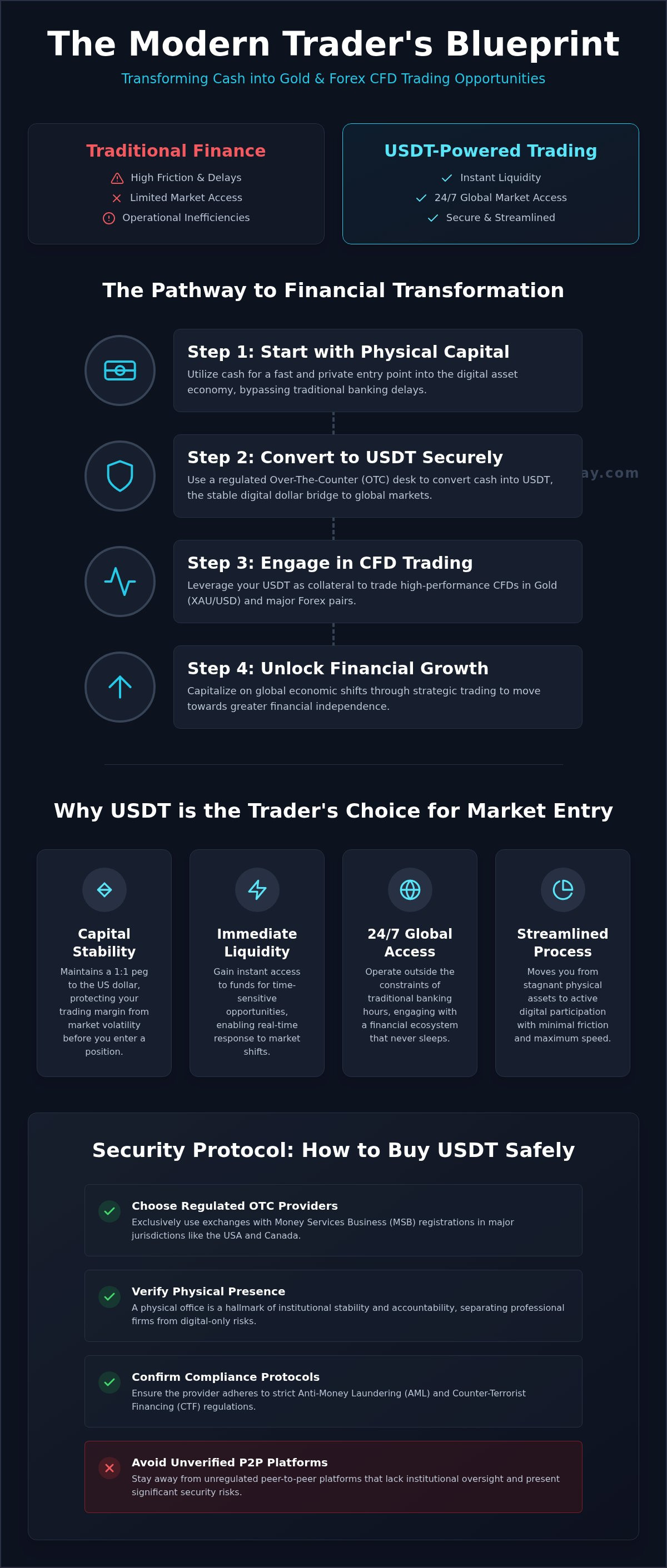
  • Crypto Payment Gateway with Lowest Fees: The 2026 Merchant Comparison Guide

    Crypto Payment Gateway with Lowest Fees: The 2026 Merchant Comparison Guide

    With 84% of US merchants now convinced that digital assets will be the primary medium of commerce by 2031, the race for efficiency has moved beyond simple adoption. You’ve likely felt the frustration of watching high transaction fees and hidden conversion costs erode your hard-earned margins. It’s a common struggle for modern businesses seeking a crypto payment gateway with lowest fees that doesn’t compromise on security or settlement speed. You want a partner that understands that every basis point saved is capital that could be working harder for you elsewhere.

    This 2026 comparison guide reveals the most cost-effective gateways, highlighting providers that offer sub-1% fees and instant fiat settlement to eliminate volatility. Beyond mere processing, we’ll demonstrate how these savings can fuel a broader financial transformation. By integrating with high-performance tools like Forex and gold CFD trading, your business can shift from simply managing payments to actively building wealth through XAU/USD market movements. We’ll break down the top providers, analyze total cost of ownership, and show you how to leverage these modern tools for sustained growth.

    Key Takeaways

    • Identify the crypto payment gateway with lowest fees by analyzing dynamic, volume-based structures that outperform outdated flat-rate models.
    • Secure your bottom line by identifying hidden costs like conversion spreads and withdrawal fees that often inflate the total cost of ownership.
    • Transition from passive revenue collection to strategic market growth by leveraging your processing capital surplus for gold and USD CFD trading.
    • Streamline global operations using an integrated ecosystem that provides instant liquidity through crypto POS hardware and Mastercard issuance.
    • Build institutional trust by selecting a gateway partner that maintains global regulatory standards, including MSB registrations in the United States and Canada.

    The State of Crypto Payment Gateway Fees in 2026

    The financial architecture of 2026 has moved past the rigid 1% transaction model that once dominated the industry. Modern merchants no longer accept the “one size fits all” approach that early pioneers like BitPay introduced. Instead, the market has matured into a dynamic, volume-based fee structure where high-volume entities can access significantly reduced rates. Finding a crypto payment gateway with lowest fees now requires a granular look at how these dynamic tiers interact with your specific monthly turnover and settlement requirements.

    The headline processing fee is frequently just the visible tip of a much larger cost iceberg. Global merchants must account for conversion spreads, withdrawal costs, and the underlying volatility of the assets they accept. Stablecoins like USDT and USDC have become the institutional standard for this reason. By utilizing these assets, businesses can bypass the heavy network congestion and high conversion costs associated with legacy cryptocurrencies, effectively lowering the total cost of ownership for their payment infrastructure.

    Direct Transaction Fees vs. Network Costs

    The choice of blockchain network drastically alters your operational overhead. While the Ethereum mainnet remains a pillar of security, its associated costs often make small-scale transactions prohibitive. In contrast, networks like Polygon or Tron, alongside emerging Layer 2 solutions, provide the throughput necessary for near-instant processing at a fraction of the cost. A gas fee is a variable cost paid to blockchain miners or validators to process a transaction, and it remains entirely separate from any gateway service charges. Selecting a provider that supports multi-chain settlements allows you to optimize these costs in real-time.

    The Value of Regulated vs. Unregulated Gateways

    Low fees shouldn’t come at the expense of institutional safety. An unregulated gateway might offer a tempting 0.2% fee, but the lack of oversight introduces severe legal and operational risks. Choosing a partner with Money Services Business (MSB) registration in jurisdictions like the United States or Canada ensures long-term stability. Regulatory compliance prevents the sudden account freezes and settlement delays that can paralyze a business. When your gateway is integrated via a secure API for crypto payments, you gain more than just low costs; you gain a reliable bridge to broader financial opportunities.

    Every dollar saved through optimized gateway fees represents untapped potential for capital growth. In 2026, forward-thinking merchants are redirecting these savings into the high-performance world of gold and USD CFD trading. By leveraging the capital surplus generated from efficient payment processing, individuals can engage with XAU/USD markets to build a diversified portfolio. This shift from passive collection to active market participation is what truly defines financial transformation in the modern era.

    Comparing the Top 5 Crypto Payment Gateways with Lowest Fees

    Selecting a crypto payment gateway with lowest fees requires a strategic assessment of how a provider’s fee structure aligns with your specific business model. In 2026, the competitive landscape has bifurcated into ultra-low-cost technical bridges and comprehensive institutional ecosystems. While a headline rate of 0.23% sounds appealing, it often implies a trade-off in settlement flexibility or geographic reach. Merchants must decide if they need a simple pipe for transactions or a robust partner that facilitates broader financial growth.

    BitPay remains a recognizable name, yet its 1% to 2% fee structure often feels antiquated for high-volume operations. NOWPayments offers a middle ground with a 0.5% base fee, though this can climb to 1% when auto-conversion is required. For businesses looking to bridge the gap between digital assets and traditional finance, Pallapay offers a sophisticated alternative. It combines competitive processing rates with the ability to convert crypto to fiat instantly, ensuring that liquidity is never trapped in digital form.

    • Coinremitter: 0.23% fee, best for developers.
    • NOWPayments: 0.5% to 1% fee, strong for e-commerce plugins.
    • BitPay: 1% to 2% fee, high brand recognition but higher costs.
    • Pallapay: 0% to 1% fee, full institutional ecosystem with POS support.
    • Coinbase Commerce: 1% flat fee, high security but limited settlement options.

    Coinremitter: The Budget Leader for Developers

    Coinremitter has carved out a niche by offering a 0.23% transaction fee, making it a strong contender for tech-heavy startups. This gateway is designed for businesses that can manage their own liquidity and don’t require extensive fiat off-ramping services. If your team can handle complex technical integrations and prefers to hold crypto on the balance sheet, this is a viable crypto payment gateway with lowest fees. However, the lack of integrated POS hardware or direct bank settlement limits its utility for physical retail or traditional corporate structures.

    Pallapay: The Balanced Institutional Ecosystem

    Pallapay stands out as a strategic partner rather than just a service provider. It provides a comprehensive suite of tools, including physical POS machines and the ability to automate payouts via payment APIs. This ecosystem allows merchants to move seamlessly from payment collection to capital deployment. The efficiency gained here isn’t just about saving cents on the dollar; it’s about creating the financial room to explore transformative opportunities.

    By optimizing your gateway costs, you generate a capital surplus that can be redirected into high-impact markets. Many modern merchants are now using these savings to engage in gold and USD CFD trading. The XAU/USD market offers a path to diversify revenue and hedge against currency inflation. Trading gold CFDs provides the leverage and liquidity needed to turn standard business profits into significant wealth. You can easily start this journey by opening a Forex account to manage your diversified assets.

    Total Cost of Ownership (TCO): Identifying Hidden Gateway Costs

    Finding a crypto payment gateway with lowest fees involves looking past marketing headlines to understand the Total Cost of Ownership (TCO). While many providers advertise a low entry rate, they often offset these figures with aggressive conversion spreads and settlement charges. A 0.5% transaction fee can quickly balloon into a 3% total cost when you factor in the price of moving capital from a digital wallet to a corporate bank account. Precision in identifying these “invisible” costs is what separates a strategic financial partner from a simple service provider.

    Conversion spreads act as a silent margin killer for global merchants. If a gateway provides an exchange rate that is significantly lower than the mid-market price, you are effectively paying an unlisted commission. Beyond spreads, monthly maintenance and setup fees for API access can erode the profitability of low-volume businesses. High-tier providers eliminate these barriers by offering transparent, utility-based pricing that scales with your growth. Evaluating the ROI of built-in security is also essential; paying slightly more for a gateway with integrated fraud prevention can save thousands in potential losses.

    Calculating the Real Margin on Crypto Sales

    To determine your true net revenue, you must apply a comprehensive formula: (Gross Sale Value) minus (Gateway Fee + Network Gas + Conversion Spread + Withdrawal Fee) equals Net Profit. Stablecoins like USDT have become the preferred settlement asset for fee-conscious merchants because they offer price stability and lower network fees compared to legacy assets. A spread represents the difference between the prevailing market rate and the execution price provided by the gateway, functioning as an additional hidden commission on each transaction. By settling in USDT, you minimize the number of “hops” between digital and fiat currencies, preserving your hard-earned margins.

    Infrastructure Costs: POS vs. Online API

    Your choice of infrastructure significantly impacts your long-term overhead. Software-only solutions are often cheaper to start but may lack the cohesive experience required for retail environments. Integrating Crypto POS machines offers a professional, physical touchpoint for customers while centralizing your reporting. To further reduce costs, leveraging specialized off-ramp services allows you to bypass traditional bank transfer overheads, which can be notoriously expensive for cross-border operations.

    Every percentage point recovered from hidden gateway fees can be redirected into high-yield financial instruments. Engaging in gold and USD CFD trading allows merchants to transform their stagnant settlement balances into active wealth-building tools. The XAU/USD market provides the liquidity and volatility needed for significant gains, turning the simple act of payment processing into a catalyst for financial transformation. By mastering the mechanics of CFD trading, an individual can move from managing a business to orchestrating a global financial legacy.

    Crypto Payment Gateway with Lowest Fees: The 2026 Merchant Comparison Guide

    Financial Transformation: Turning Gateway Savings into Market Growth

    Efficiency in payment processing is the foundation of modern wealth accumulation. When you integrate a crypto payment gateway with lowest fees, you aren’t just reducing operational overhead; you’re creating a strategic capital surplus. This recovered margin serves as a launchpad for broader financial opportunities. Instead of remaining a passive observer of market trends, you can transition into an active participant by redirecting these savings into high-performance assets. The psychological shift from merely managing revenue to orchestrating market growth is where true financial freedom begins.

    The liquidity provided by rapid settlement allows your business to act with the speed of a global institution. By choosing a crypto payment gateway with lowest fees, you ensure that your capital isn’t trapped in transit or eroded by excessive commissions. This reclaimed value provides the necessary leverage to explore the transformative potential of the global markets. It’s a progression from standard commerce to sophisticated asset management, where every transaction strengthens your ability to build a lasting financial legacy.

    Mastering the Markets: Gold and USD CFD Trading

    Gold has long been recognized as the ultimate hedge, and in the XAU/USD market, it offers a powerful counterweight to the digital asset space. CFD trading allows you to profit from price movements in gold and currency pairs without the logistical burden of owning the underlying asset. This flexibility is vital for businesses that need to remain agile. Through strategic leverage trading, individuals can amplify their market exposure, turning modest gateway savings into significant portfolio growth. This level of market engagement can fundamentally change your financial life by providing a diversified stream of income that is independent of your core business operations.

    Hedging Business Volatility with Commodity Trading

    Accepting digital assets introduces a specific type of volatility that requires a calculated response. Utilizing gold CFDs allows you to balance your exposure, providing a stable anchor when markets fluctuate. Strategic USD trading also enables you to manage cross-border currency risks, ensuring that your global e-commerce margins remain protected from exchange rate swings. The synergy between a unified payment platform and advanced trading tools creates a robust ecosystem for wealth preservation and expansion. You can begin this journey by opening a Forex account to manage your diversified capital effectively.

    Ready to transform your business revenue into a market-leading portfolio? Explore the Pallapay ecosystem and start your journey toward comprehensive financial growth today.

    Why Pallapay is the Definitive Choice for Low-Fee Crypto Processing

    Pallapay represents the convergence of disruptive technological agility and institutional financial stability. While other providers offer isolated tools, this platform delivers a comprehensive ecosystem designed to handle every facet of the modern value chain. As a crypto payment gateway with lowest fees, Pallapay eliminates the friction typically associated with digital asset adoption. Merchants gain access to a suite of services that includes high-performance crypto payment gateways, physical POS hardware, and Mastercard issuance, all managed through a single, intuitive interface.

    Trust is the primary currency of the global financial system. Pallapay secures this trust through rigorous regulatory compliance, maintaining Money Services Business (MSB) registrations in both the United States and Canada. This status ensures that your operations remain shielded from the legal uncertainties that often plague unregulated providers. Beyond compliance, the platform provides superior liquidity through direct OTC desk access. This allows for large-scale fiat conversions without the slippage or market impact that often erodes margins on standard exchanges. For industries like hospitality, retail, and e-commerce, our API for crypto payments provides the technical precision needed for seamless, automated integration.

    Security and Compliance as a Core Competency

    Protecting merchant capital requires a proactive approach to risk management. Pallapay utilizes advanced crypto security protocols designed to neutralize the sophisticated threats of 2026. Our multi-office global presence provides a layer of institutional reliability that software-only startups cannot match. We’ve optimized our automated KYC and AML flows to ensure they are thorough yet unobtrusive, preventing account freezes without disrupting the user experience. This balance of safety and speed allows you to focus on your core objective: scaling your enterprise.

    Next Steps: Scaling Your Business with Pallapay

    Transitioning to a high-efficiency payment model is a straightforward process. You can begin by setting up your Pallapay wallet and merchant dashboard, which provides real-time oversight of your digital and fiat assets. For those with a physical presence, integrating our POS infrastructure creates a professional touchpoint that meets the growing demand for digital payment options. By choosing a crypto payment gateway with lowest fees, you’re doing more than just cutting costs; you’re securing the capital needed for transformative growth.

    The savings generated through our ecosystem provide the perfect entry point into the world of gold and USD CFD trading. The ability to hedge business revenue in the XAU/USD market allows for a level of financial sophistication that was previously reserved for major banks. Trading CFDs provides the leverage and liquidity to turn your operational surplus into a diverse, wealth-building portfolio. Join the global elite of merchants who are optimizing their financial future. Secure your settlement infrastructure and start your journey toward comprehensive financial transformation today.

    Orchestrating Your Financial Evolution

    Identifying a crypto payment gateway with lowest fees is the first step toward reclaiming your business margins. By eliminating hidden conversion spreads and prioritizing regulated settlement, you secure the capital necessary for long-term expansion. This strategic efficiency allows you to move beyond simple transaction management and toward active wealth building.

    The true potential of these savings lies in their redirection toward high-performance markets. Engaging in gold and USD CFD trading provides the leverage needed to turn an operational surplus into substantial capital. This transition from a passive merchant to a strategic market participant can fundamentally change your financial life; it’s the bridge between standard commerce and institutional-grade wealth management.

    Pallapay stands as the definitive partner for this journey. As a regulated MSB in the USA and Canada serving over 180 countries, we’ve earned ‘Best Crypto Payment Provider’ awards by prioritizing merchant stability and growth. Scale your business with the world’s most secure and cost-effective crypto gateway at Pallapay.com. Your path to a sophisticated financial future is ready for activation.

    Frequently Asked Questions

    Which crypto payment gateway has the lowest fees in 2026?

    Leading providers like Coinremitter offer headline rates of 0.23%, while Pallapay provides a competitive range of 0% to 1% depending on transaction volume and ecosystem participation. Choosing a crypto payment gateway with lowest fees requires you to balance these percentages against the value of integrated fiat settlement and regulatory security. Other top-tier options like NOWPayments maintain a base fee of 0.5% for standard processing.

    Are there hidden costs associated with ‘zero-fee’ crypto gateways?

    Marketing for ‘zero-fee’ services frequently masks expenses such as aggressive conversion spreads, withdrawal charges, and network gas fees. These secondary costs can often exceed a transparent 1% processing fee, eroding your net revenue without appearing on the initial invoice. It’s vital to calculate the total cost of ownership to ensure that your business margins aren’t being quietly depleted by invisible commissions.

    How do I settle crypto payments into my local bank account with low fees?

    You can achieve low-fee settlement by utilizing gateways that offer direct crypto-to-fiat conversion and specialized off-ramp services. By bypassing traditional intermediary banks, you avoid the heavy cross-border fees that typically plague international commerce. This direct integration ensures that your capital moves from a digital transaction to your business bank account with maximum efficiency and speed.

    Can I use a crypto payment gateway for my high-risk Forex or CFD business?

    Specialized gateways provide the robust infrastructure and high-volume support required by professional Forex and CFD trading entities. These platforms understand the unique liquidity needs of the trading sector and offer the necessary tools to manage rapid capital flows. Integrating a crypto payment gateway with lowest fees allows you to fund your trading accounts and manage currency exposure more effectively.

    What is the difference between a transaction fee and a settlement fee?

    A transaction fee is the cost charged for the technical processing of an incoming payment, while a settlement fee applies when you move those funds into a fiat currency or a bank account. It’s a distinction that matters for your bottom line because a low processing rate might be offset by a high settlement charge. High-performance gateways often provide dynamic fee structures that lower both costs as your business scales.

    Is it safe to use a low-fee gateway that isn’t fully regulated?

    Operating through an unregulated provider introduces severe risks, including the possibility of sudden account freezes and legal complications. The small savings offered by an unregulated platform don’t justify the potential loss of institutional trust or business continuity. Choosing a partner with MSB registration in the US and Canada ensures that your financial operations remain secure and compliant with global standards.

    How does Gold (XAU/USD) trading help me hedge my crypto business revenue?

    Gold trading provides a stable, physical-backed anchor that balances the inherent volatility of digital asset payments. By using your gateway savings to engage in gold CFDs, you can protect your profits from market swings while participating in the growth of the XAU/USD pair. This level of market engagement can fundamentally change an individual’s financial life by turning stagnant revenue into a diversified wealth-building portfolio.

    Can I accept crypto payments and receive USD instantly?

    You can receive USD instantly by activating automated fiat settlement features within your merchant dashboard. This technology executes a trade the moment a customer pays, locking in the current exchange rate and eliminating the risk of price drops. It’s an essential tool for merchants who need immediate liquidity to fund their operations or reinvest in the Forex and commodity markets.

    Disclaimer

    The information provided on this website and blog is for general informational and educational purposes only and does not constitute financial, investment, legal, tax, or other professional advice.
    Cryptocurrency and digital asset services may be subject to regulatory restrictions in certain jurisdictions. Users are solely responsible for ensuring compliance with applicable local laws and regulations before using any products or services mentioned on this website.
    PallaPay does not guarantee the accuracy, completeness, or timeliness of any information published and accepts no liability for any loss or damages arising from reliance on the content. Any opinions expressed are those of the respective authors and may change without notice.
    Certain services, features, or products referenced may be provided through third-party partners, licensed entities, or affiliated service providers subject to separate terms and regulatory approvals. Availability of services may vary by country or region.
    This website may contain references to digital assets, virtual currencies, or blockchain-related services that are not available to residents of certain jurisdictions, including where prohibited by law. Nothing on this website constitutes an offer, solicitation, or recommendation to buy or sell any financial instrument or virtual asset.

  • Crypto Compliance for Businesses: The 2026 Strategic Guide to Regulatory Excellence

    Crypto Compliance for Businesses: The 2026 Strategic Guide to Regulatory Excellence

    Approximately 47% of crypto organizations onboarded in 2026 now use alerting standards that would have placed them in the top 10% for strictness just six years ago. This shift proves that crypto compliance for businesses has evolved from a simple checkbox into a sophisticated engine for institutional growth. You’ve likely felt the pressure of the MiCA grandfathering period ending on July 1, 2026, or the complexity of fragmented global standards. It’s a daunting environment when you’re trying to find reliable settlement partners while avoiding regulatory fines.

    We’ll show you how to master these complexities to unlock high-yield opportunities in Forex and Gold CFD trading with total confidence. This guide provides a clear roadmap for regulatory success, enabling the seamless integration of crypto and fiat systems. You’ll discover how to leverage XAUUSD CFDs and other advanced financial products to transform your commercial operations. We’re moving beyond simple survival to show you how a professional compliance framework acts as an essential component of your global evolution.

    Key Takeaways

    • Understand how the 2026 regulatory landscape transforms digital assets into a stable, institutional-grade foundation for global commercial operations.
    • Master the essential pillars of crypto compliance for businesses to manage KYC and AML protocols with absolute confidence and precision.
    • Discover the strategic synergy between deep crypto liquidity and high-yield opportunities in the XAUUSD and Forex CFD markets.
    • Learn how to implement seamless infrastructure that bridges blockchain assets with traditional systems through instant crypto-to-fiat conversion.
    • Identify the competitive advantages of partnering with an MSB-registered facilitator to secure long-term growth and operational reliability.

    The year 2026 marks a definitive end to the speculative era of digital assets. Professional entities now operate within a framework where institutional-grade digital finance is the baseline requirement. Crypto compliance for businesses has matured into a comprehensive operational strategy that encompasses tax reporting, real-time transaction monitoring, and verifiable proof of reserves. It’s no longer about simple box-ticking; it’s about building a resilient bridge between blockchain innovation and the rigorous demands of global commerce.

    Companies that prioritize these standards gain access to sophisticated financial vehicles like XAUUSD and Forex CFD trading. By maintaining Money Services Business (MSB) registration, an organization signals its commitment to the highest level of regulatory excellence. This status is the gold standard for global operations, ensuring that every fiat-to-crypto conversion and high-yield trade occurs within a secure, audited environment. Blockchain transparency facilitates this by providing a permanent, immutable ledger that simplifies modern regulatory audits and eliminates the ambiguity often found in traditional systems.

    The Evolution of Global Digital Asset Standards

    Unified regulatory frameworks have fundamentally changed how cross-border payments function. These 2026 standards prioritize consumer protection while enabling the speed and efficiency that modern markets demand. According to the current status of Global Cryptocurrency Regulations, authorities expect businesses to maintain compliance across 180+ countries to achieve true global scale. This harmonization allows for the rapid deployment of liquidity across diverse currency corridors without the friction of outdated legacy protocols. It’s a system designed for growth, not just restriction.

    Why Institutional Reliability Matters More Than Ever

    Moving from retail-focused tools to sophisticated business ecosystems is essential for firms seeking high-volume institutional partnerships. Compliance builds the absolute trust required to manage significant capital flows in the gold and USD CFD markets. In 2026, MSB registration is a mandatory requirement for any provider operating a crypto-fiat gateway, serving as a critical verification of their operational integrity. By utilizing a professional crypto offramp, businesses ensure their digital assets are converted into liquid fiat currency with total transparency and speed. This reliability transforms trading from a speculative activity into a powerful engine for financial growth.

    The Structural Pillars of Institutional Crypto Compliance

    Institutional excellence relies on a multi-layered defense system. Crypto compliance for businesses begins with the rigorous verification of identity and the continuous monitoring of fund flows. By 2026, the standard for professional entities has moved beyond basic checks into a proactive strategy that ensures every asset entering the ecosystem is clean and verifiable. This structural integrity is what allows firms to engage in high-volume Forex trading and gold CFD positions with absolute certainty.

    KYC protocols verify the identity of participants to prevent fraud and illicit activity. AML systems implement robust monitoring to report suspicious flows before they can compromise the integrity of the firm. These pillars create a secure environment where institutional financial reliability is the norm rather than the exception. KYT (Know Your Transaction) provides real-time on-chain analysis to ensure fund purity. It’s a technical safeguard that balances the need for total transparency with global data protection laws. This ensures that while the business satisfies regulatory audits, it also protects the privacy of its legitimate users.

    Implementing Automated KYC and AML Workflows

    AI-driven identity verification significantly reduces friction for professional users by accelerating the onboarding process. Modern systems set up automated risk scoring for incoming digital asset payments, allowing for immediate decision-making. Integrating secure crypto payment gateways into existing compliance stacks ensures that crypto compliance for businesses occurs in the background, maintaining a smooth user experience. This automation is essential for scaling operations without increasing manual overhead.

    Blockchain Intelligence and Transaction Monitoring

    Using KYT allows a business to identify the source of funds before they hit a corporate wallet. The necessity of crypto security is paramount in maintaining a clean audit trail that regulators can trust. Real-time monitoring tools provide an immediate shield by screening every incoming transaction against global watchlists to prevent any exposure to sanctioned addresses. This level of precision is the key to unlocking the transformative potential of the markets. When you operate with a compliant crypto offramp, you bridge the gap between digital innovation and fiat stability. It empowers you to focus on the financial impact of your trades, knowing the underlying mechanics are handled by a strategic partner.

    How Compliance Unlocks High-Yield Forex and Gold CFD Trading

    Compliance is often perceived as a restrictive burden, yet in the high-stakes world of institutional finance, it serves as the ultimate facilitator. To access the depth of the global Forex and Gold CFD markets, a firm must demonstrate an uncompromising commitment to regulatory standards. By mastering crypto compliance for businesses, you remove the friction that prevents institutional brokers from offering the high-yield leverage required for serious capital growth. This isn’t just about avoiding penalties; it’s about qualifying for the most sophisticated financial instruments available.

    The synergy between digital asset liquidity and traditional currency markets represents a significant evolution in wealth management. When a business integrates compliant protocols, it creates a secure channel to deploy crypto capital into the $7.5 trillion-a-day Forex market. This bridge allows for a dynamic allocation strategy where digital assets fund active trading positions in major currency pairs and commodities, maximizing the utility of every unit of capital. It’s a professional evolution that turns compliance into a powerful engine for profit.

    The Transformative Potential of CFD Trading

    CFD trading acts as a powerful catalyst for financial transformation, offering the ability to generate significant returns on both rising and falling markets. For an individual or a business, mastering these markets can fundamentally alter a financial trajectory by providing exposure to global price movements without the need for physical asset ownership. The mechanics are efficient: you use digital assets to fund high-speed trading accounts, allowing for rapid execution and real-time response to market shifts. A compliant infrastructure ensures that once your strategy yields results, you can execute a seamless profit withdrawal to fiat, maintaining the liquidity necessary for ongoing operations.

    Strategic Hedging with Gold and USD Pairs

    Navigating the XAU/USD market remains a cornerstone of professional portfolio management because gold continues to serve as the definitive anchor of global finance. During periods of fiat volatility, trading gold CFDs provides a robust mechanism for wealth preservation and capital appreciation, effectively shielding a portfolio from inflationary erosion. Managing these gains requires a reliable system for fiat settlement, ensuring that trading profits are moved from the brokerage environment into the corporate ecosystem without delay. This integrated approach to crypto compliance for businesses ensures that your hedging strategies are supported by a foundation of institutional reliability and technical precision.

    Crypto Compliance for Businesses: The 2026 Strategic Guide to Regulatory Excellence

    Implementing Compliant Infrastructure: From APIs to Fiat Settlement

    Building a high-performance financial engine requires more than just a strategy. It demands a technical architecture that bridges the gap between decentralized assets and institutional banking. Crypto compliance for businesses is most effective when it’s invisible to the end-user but rigorous in its background execution. By automating the verification and documentation process, a business can maintain the speed necessary for global commerce while satisfying the strictest regulatory audits.

    Instant crypto-to-fiat conversion is not just a convenience; it’s a requirement for operational liquidity. In the fast-moving world of XAUUSD and Forex CFD trading, capital must be mobile. Automated settlement systems reduce the friction of cross-border transactions, allowing profits to move from a digital wallet to a corporate bank account with total transparency. This infrastructure ensures that every transaction is pre-vetted, creating a permanent audit trail that reinforces your standing as a reliable institutional partner.

    Leveraging APIs for Seamless Compliance

    Integrating a payment API allows your business to handle complex background compliance checks without manual intervention. This automation saves significant time, shifting the focus from administrative hurdles to strategic growth. Whether you are scaling an e-commerce platform or managing high-volume institutional trades, an API-driven approach ensures that your operations remain compliant at every scale. It provides the technological answer to fragmented global standards, ensuring consistency across all currency corridors.

    The Power of Efficient Off-Ramping

    Ensuring your crypto off-ramp meets global MSB standards is the final piece of the regulatory puzzle. Moving trading profits securely from digital environments to traditional financial systems requires a partner that understands the nuances of crypto compliance for businesses. Instant settlement is the lifeblood of high-frequency Forex operations, where the ability to realize gains in fiat currency determines your capacity for the next high-yield position. This seamless flow of capital transforms the potential of Gold CFD trading into tangible financial success.

    Accelerate your institutional growth and secure your trading profits by integrating a professional crypto off-ramp today.

    Pallapay: Your Strategic Partner in Compliant Digital Asset Growth

    Pallapay serves as the professional bridge between disruptive blockchain technology and institutional financial systems. By providing a comprehensive ecosystem that prioritizes crypto compliance for businesses, we enable firms to navigate the complexities of global regulation with ease. Our status as a registered Money Services Business (MSB) in both the United States and Canada offers a level of security that software-only vendors cannot match. We don’t just provide tools; we facilitate a complete financial evolution for our partners.

    Our infrastructure supports a wide range of operational needs, from high-volume OTC crypto exchange services to on-the-ground retail POS solutions. This versatility ensures that whether you are settling international invoices or funding a high-leverage Forex account, the process is seamless and secure. We handle the technical conversions so you can focus on the strategic impact of your capital in the gold and USD CFD markets. It is a system designed to empower growth through reliability.

    Institutional Reliability Meets Technological Innovation

    Global leaders choose Pallapay because we handle the intricate background mechanics of compliance across 180+ countries. This global reach ensures that your business can scale without being hindered by fragmented local standards. Our systems provide absolute trust, allowing you to manage significant digital asset flows with the confidence of an industry leader. By integrating our solutions, you adopt a forward-thinking partner that is deeply grounded in the practicalities of modern commerce. We ensure your operations remain efficient, safe, and ready for institutional-grade expansion.

    Next Steps: Accelerating Your Financial Progress

    Starting your journey toward regulatory excellence is straightforward. By setting up a Pallapay wallet and accessing our merchant dashboard, you gain immediate control over your digital and fiat liquidity. This foundation is essential for anyone looking to unlock the transformative potential of Gold and Forex trading. The ability to trade XAUUSD CFDs with institutional-grade support can fundamentally change your financial trajectory, providing the growth and stability required in a digital-first economy. We invite you to join the inevitable global evolution of finance by partnering with Pallapay to secure your future in the world’s most liquid markets.

    Mastering the New Standard of Global Financial Excellence

    The shift toward institutional-grade digital finance is complete. By prioritizing crypto compliance for businesses, you’ve moved beyond regulatory survival to a position of market leadership. You now possess the tools to navigate the XAUUSD and Forex markets with the speed and precision required for significant financial transformation. This strategic foundation ensures that your capital remains liquid, your transactions stay transparent, and your growth remains unhindered by legacy barriers. It’s the professional gateway to a more efficient and profitable commercial future.

    Success in 2026 requires a partner that combines technical innovation with institutional reliability. Pallapay provides this bridge through official MSB registration in the USA and Canada; a global presence spanning 180+ countries; and secure OTC desks for high-volume institutional trades. It is time to leverage these professional advantages to accelerate your commercial momentum. Secure your business future with Pallapay’s compliant crypto ecosystem and lead the inevitable evolution of global commerce. Your path to sustainable, high-yield trading starts with a foundation of absolute trust and technical excellence.

    Frequently Asked Questions

    What is crypto compliance for businesses in 2026?

    Crypto compliance for businesses in 2026 is a multi-layered strategic framework that ensures every digital asset operation meets global institutional standards. It goes beyond basic identity checks to include real-time transaction monitoring and automated tax reporting. This evolution allows firms to bridge the gap between disruptive technology and financial reliability. By adopting these standards, an organization secures its position within the formal economy and gains access to high-yield investment vehicles like Forex and gold CFDs.

    How does MSB registration impact a crypto company’s credibility?

    MSB registration establishes a company as a verified participant in the global financial system by proving adherence to strict AML and KYC protocols. It instills absolute trust in institutional partners who require a secure bridge between digital assets and traditional banking. This registration, particularly in jurisdictions like the USA and Canada, ensures that a provider is monitored by federal authorities. It transforms a tech-centric entity into a reliable strategic partner for high-volume commercial operations.

    Can I trade Gold CFDs using my business cryptocurrency holdings?

    You can trade gold CFDs using business crypto holdings by leveraging a compliant payment gateway to fund your brokerage account. This process allows you to convert digital liquidity into the necessary collateral for XAUUSD positions. Using a professional facilitator ensures that the transfer of funds is documented and meets all necessary crypto compliance for businesses standards. It provides a seamless path to diversifying your corporate treasury into the world’s most stable commodity markets.

    What are the main risks of non-compliance in the crypto industry?

    Non-compliance carries severe risks including multi-million dollar regulatory fines, immediate suspension of operational licenses, and permanent exclusion from the traditional banking system. In a digital-first economy, failing to meet standards like the FATF Travel Rule can result in your business being blacklisted by institutional liquidity providers. These consequences don’t just stall growth; they can lead to the total collapse of an organization’s financial infrastructure. Maintaining excellence is a requirement for long-term commercial survival.

    How does a crypto-to-fiat payment API simplify regulatory reporting?

    A payment API simplifies regulatory reporting by automating the collection and documentation of every transaction flow in real time. It eliminates hundreds of hours of manual labor by generating pre-vetted reports that satisfy modern audit requirements. This technical integration ensures that every crypto-to-fiat conversion is recorded with precise metadata. It provides a clean audit trail that demonstrates your commitment to institutional reliability while maintaining the speed your operations demand for global scale.

    What is the difference between KYC and KYT in blockchain finance?

    KYC focuses on verifying the identity of the individual or entity, while KYT provides real-time monitoring of the underlying blockchain transactions. KYC prevents fraud at the point of entry, but KYT ensures the ongoing purity of funds by detecting suspicious on-chain behavior. Both are essential pillars of a robust compliance stack. Together, they create a secure environment where businesses can engage in high-volume Forex trading without exposure to sanctioned or illicit addresses.

    How can I securely settle trading profits into my corporate bank account?

    Securely settling trading profits requires a professional off-ramp service that offers instant conversion to fiat and direct bank transfers. This system ensures that your gains from gold or USD CFD trades are moved from the digital environment into your corporate bank account with total transparency. Using an MSB-registered provider guarantees that the settlement process adheres to international financial standards. It provides the liquidity necessary to fund ongoing operations and capitalize on new market opportunities.

    Why is gold (XAU/USD) a popular choice for crypto-funded trading?

    Gold remains the anchor of global finance because it provides a definitive hedge against fiat currency volatility and inflationary pressures. For firms using digital assets, the XAUUSD pair offers a way to preserve wealth while participating in the transformative potential of the markets. Trading gold CFDs allows for significant capital growth without the logistical burdens of physical ownership. It is a strategic choice for businesses seeking to stabilize their portfolios while maintaining high-yield exposure.

    Disclaimer

    The information provided on this website and blog is for general informational and educational purposes only and does not constitute financial, investment, legal, tax, or other professional advice.
    Cryptocurrency and digital asset services may be subject to regulatory restrictions in certain jurisdictions. Users are solely responsible for ensuring compliance with applicable local laws and regulations before using any products or services mentioned on this website.
    PallaPay does not guarantee the accuracy, completeness, or timeliness of any information published and accepts no liability for any loss or damages arising from reliance on the content. Any opinions expressed are those of the respective authors and may change without notice.
    Certain services, features, or products referenced may be provided through third-party partners, licensed entities, or affiliated service providers subject to separate terms and regulatory approvals. Availability of services may vary by country or region.
    This website may contain references to digital assets, virtual currencies, or blockchain-related services that are not available to residents of certain jurisdictions, including where prohibited by law. Nothing on this website constitutes an offer, solicitation, or recommendation to buy or sell any financial instrument or virtual asset.