Could a strict regulatory framework actually be the secret engine behind your next major financial breakthrough? Most professional traders view compliance as a friction point that slows down execution or complicates access to high-leverage markets. You’ve likely felt the nagging fear of platform insolvency or the frustration of shifting legal goalposts while trying to manage a high-stakes XAU/USD position. It’s a common pain point where the desire for speed often clashes with the fundamental need for capital safety. Understanding the evolving landscape of fincen crypto regulations is no longer just a legal necessity; it’s a strategic move for anyone seeking a secure, regulated environment for transformative CFD trading.
We’ll show you how institutional-grade compliance creates the stability required for serious market participation in Gold and USD pairs. This article breaks down the practical impact of the GENIUS Act and the shift toward utility-focused digital assets in the 2026 market. You’ll discover how a professional MSB bridge eliminates the complexity of compliance, allowing you to focus on strategic growth and market execution. We’re moving beyond the era of speculative hype into a period of structured financial evolution. By the end, you’ll understand why a secure foundation is the only way to achieve lasting success in the global Forex markets.
Key Takeaways
- Learn how the latest fincen crypto regulations establish the structural integrity required to protect your capital and ensure long-term market stability.
- Master the mechanics of XAU/USD and Forex CFD trading to utilize gold as a strategic hedge in a digital-first economy.
- Understand why sophisticated traders prioritize platforms with official MSB registrations to mitigate the risks of insolvency and regulatory uncertainty.
- Discover the specific strategic shifts that turn high-stakes market participation into a reliable engine for personal financial transformation.
- Explore how bridging crypto liquidity with traditional Forex markets enables faster, more efficient execution for high-volume traders.
FinCEN Crypto Regulations: The Framework for Secure Digital Finance
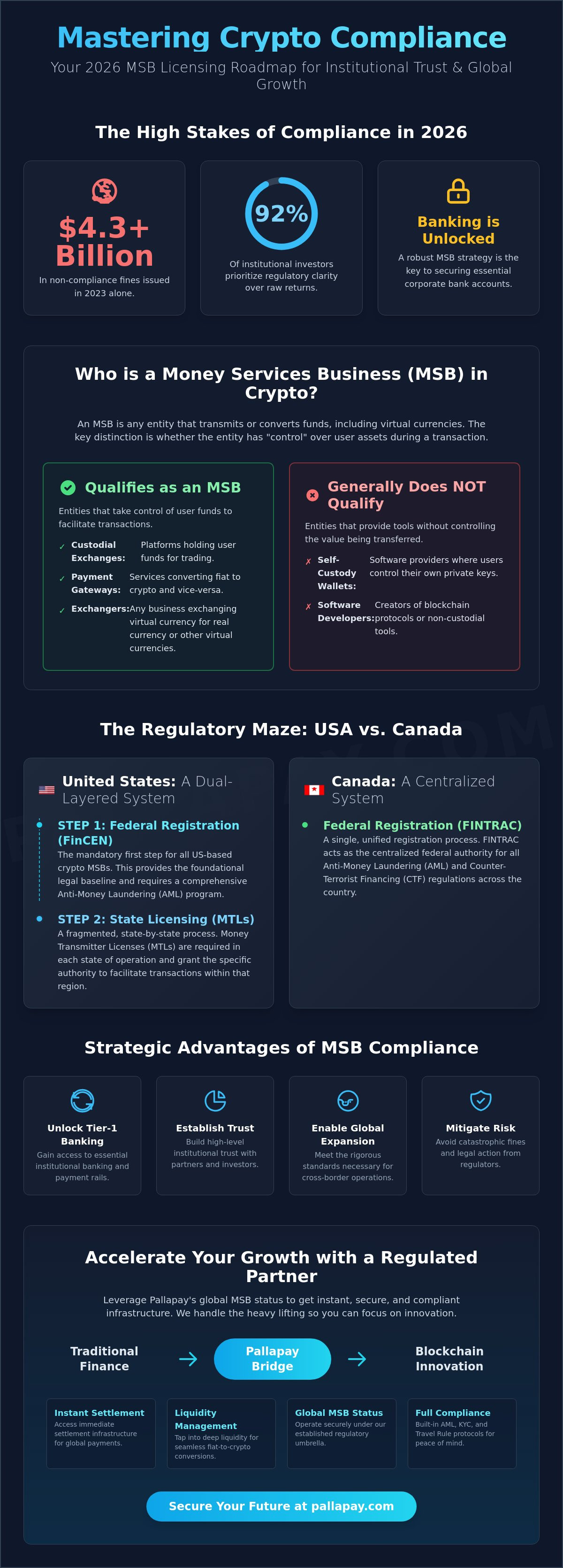
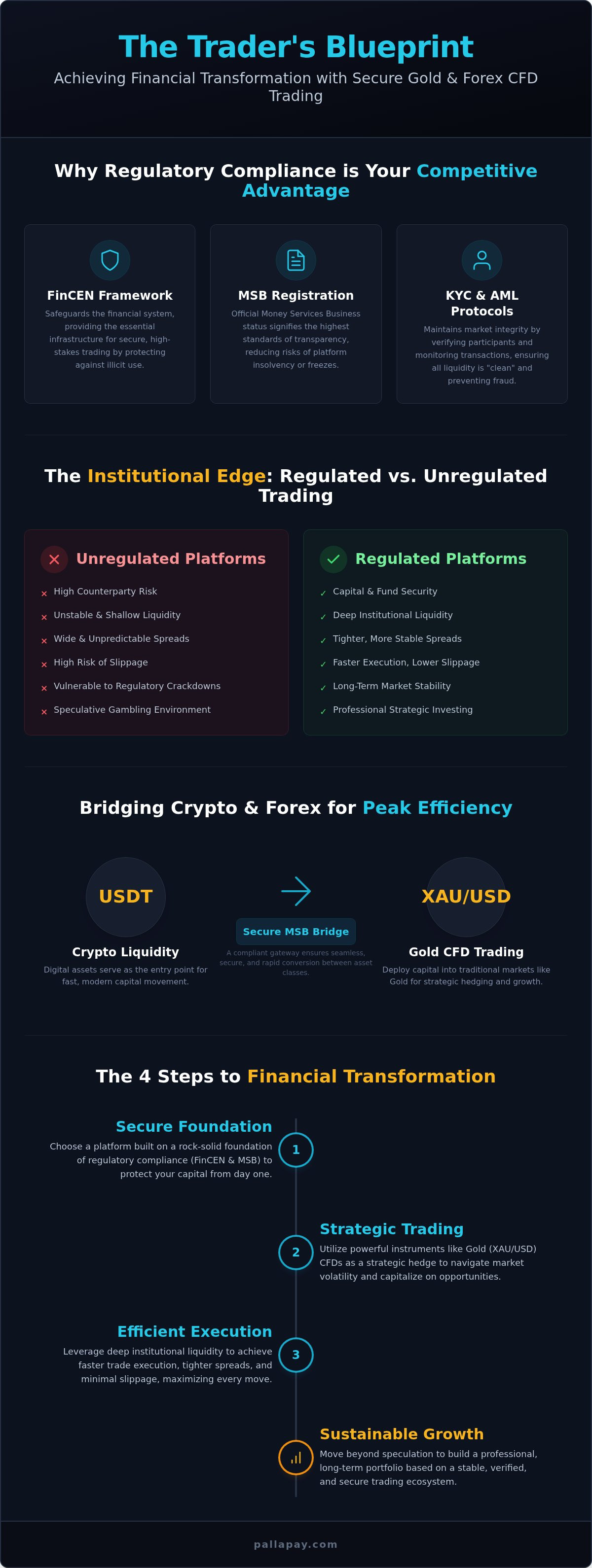
The Financial Crimes Enforcement Network (FinCEN) serves as the cornerstone of the United States’ efforts to safeguard the financial system from illicit use. For the modern trader, these safeguards aren’t just bureaucratic hurdles; they’re the infrastructure that makes high-stakes CFD trading possible. Under the Bank Secrecy Act (BSA), cryptocurrency exchanges are classified as Money Services Businesses (MSBs). This classification requires platforms to maintain rigorous record-keeping and reporting standards. When you’re executing large-scale XAU/USD trades, the existence of fincen crypto regulations ensures that your counterparty isn’t operating in a legal vacuum. This oversight acts as the first line of defense for high-volume investors, providing a layer of institutional reliability that speculative, unregulated platforms simply can’t match. Without these rules, the bridge between digital assets and traditional Forex markets would remain too volatile for serious strategic participation.
The Role of MSB Registration in 2026
KYC and AML: Protecting the Global Trading Ecosystem
Know Your Customer (KYC) procedures are the primary tools used to maintain market integrity. By verifying the identity of every participant, regulators can prevent systemic risks such as fraud or market manipulation. In 2026, real-time transaction monitoring has become a standard requirement for maintaining an MSB license. This level of scrutiny ensures that liquidity remains “clean” and that your trades aren’t inadvertently mixed with illicit capital. FinCEN’s 2026 stance is clear: digital asset transmission is a regulated financial activity that requires strict adherence to the Travel Rule and the transparency standards established by the GENIUS Act. This clarity allows traders to utilize services like the crypto off-ramp with the confidence that their financial transformation is built on a legal, secure framework. By integrating these background processes seamlessly, the platform ensures that your path to financial growth is both fast and fully protected.
Compliance as a Catalyst for Institutional-Grade CFD Trading
Sophisticated traders view regulatory frameworks as a competitive advantage. It’s not about restriction; it’s about the creation of a “trust layer” that enables deep market liquidity. When a platform adheres to FinCEN’s official guidance, it signals to institutional liquidity providers that the environment is safe for high-volume capital. This alignment reduces counterparty risk, which in turn allows for tighter spreads and higher leverage on assets like XAU/USD. For the individual trader, this means better execution speeds and lower slippage. fincen crypto regulations transform a fragmented market into a professional ecosystem where strategic investing replaces speculative gambling. It’s the difference between fighting the market and trading with the wind at your back.
Bridging Crypto and Traditional Markets
Regulated gateways serve as the essential bridge between digital liquidity and traditional Forex markets. Moving from USDT to active CFD positions requires a seamless, secure transition that only a compliant infrastructure can provide. Using a Pallapay Off-Ramp ensures your trading profits are handled with the same level of security as institutional bank transfers. It’s about maintaining the integrity of your capital throughout the entire lifecycle of a trade. This secure exit strategy is vital for those managing significant gains in the gold and USD markets. You can easily convert crypto to fiat instantly to secure your realized profits and maintain financial agility.
The Professionalization of Digital Asset Trading
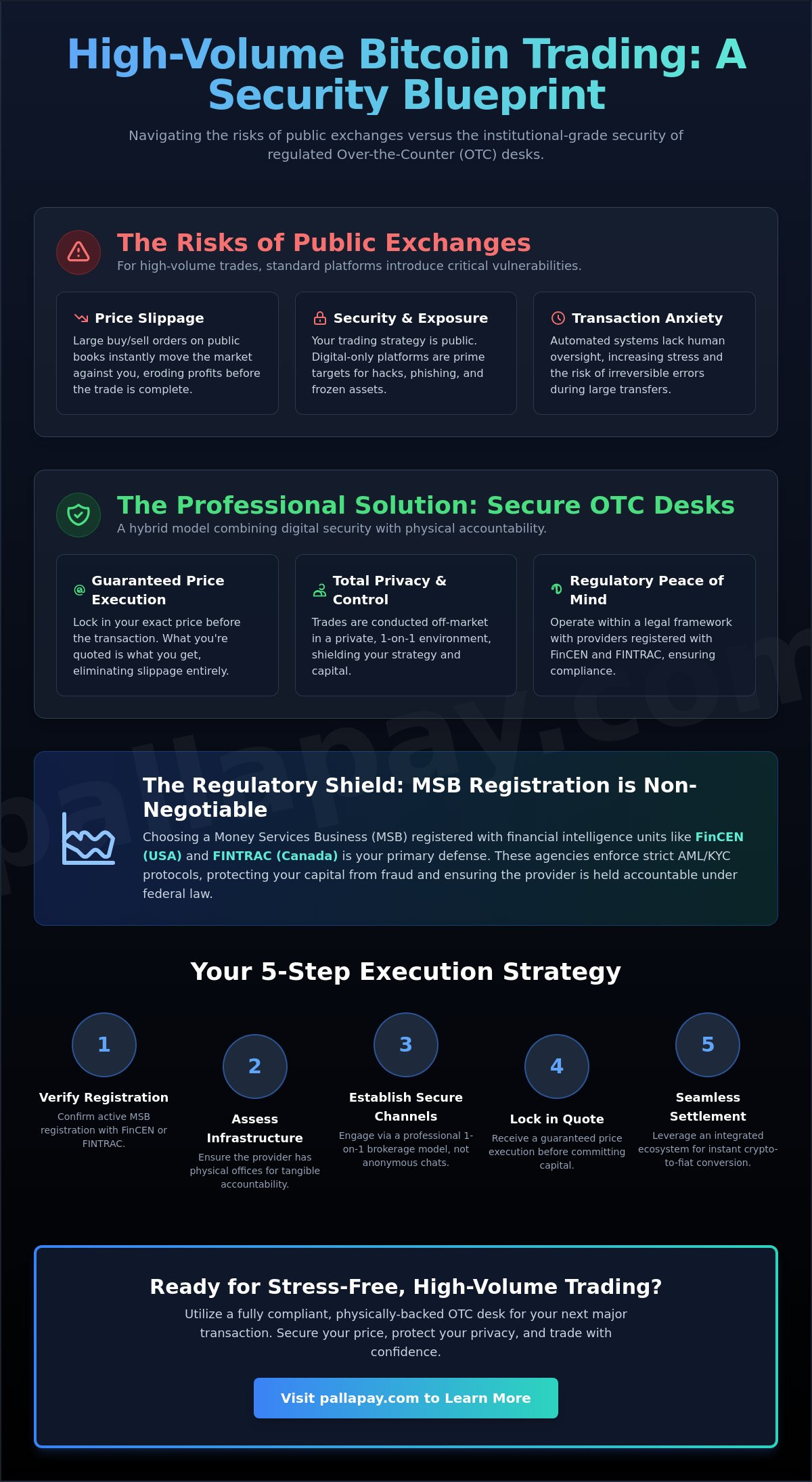
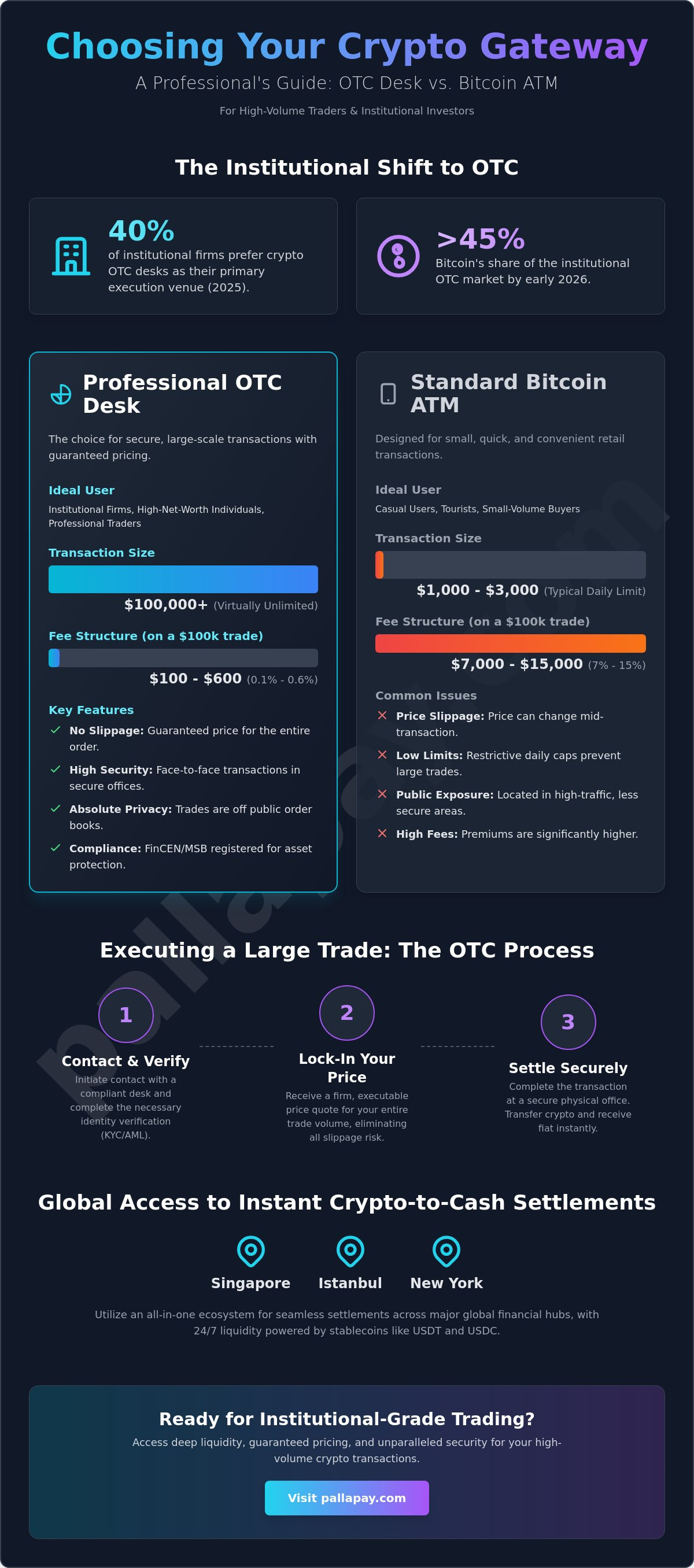
The 2026 regulatory landscape has matured, favoring disciplined wealth builders over short-term speculators. We’ve seen a shift toward the professionalization of digital asset trading, where success is defined by risk management and technical precision. High-volume security is no longer an optional feature; it’s the standard for anyone looking to alter their financial trajectory. Utilizing an OTC Crypto Exchange provides the privacy and depth needed for large-scale operations without disrupting market prices. This institutional-grade approach is how modern traders achieve lasting financial transformation. By adopting fincen crypto regulations, you’re not just trading; you’re operating with the tactical mindset of a global fund manager.
Mastering XAU/USD and Forex CFD Trading in 2026
Trading XAU/USD through Contracts for Difference (CFDs) represents a fundamental shift in how modern investors approach wealth preservation. Instead of managing physical bullion, you’re speculating on price movements with high precision and institutional leverage. This agility is essential in 2026, where global market shifts happen in milliseconds. By operating within FinCEN’s framework for virtual currency, you gain the ability to use digital liquidity to enter these traditional markets with total confidence. It’s a strategic bridge that connects the speed of crypto with the reliability of precious metals. fincen crypto regulations provide the oversight that ensures your capital is protected while you seek transformative returns in the gold and currency sectors. Success here isn’t about luck; it’s about using regulated tools to manage risk effectively.
Gold CFDs: Strategic Exposure to XAU/USD
Gold remains the ultimate hedge against currency devaluation, but physical ownership often hinders the active trader. XAU/USD CFDs solve this by providing strategic exposure without the logistical burden of storage. You can capitalize on both rising and falling markets, which is a critical advantage during periods of high USD volatility. Technical analysis becomes your primary tool. By identifying support and resistance levels on the gold chart, you can make informed entries that maximize your leverage. This isn’t about holding an asset for decades; it’s about utilizing market volatility to fundamentally alter your financial trajectory. The ability to enter and exit positions instantly allows you to respond to geopolitical news without the friction of physical settlement.
Forex Trading: Navigating Global Currency Shifts
Navigating global currency shifts requires more than just a basic understanding of economics; it requires professional-grade infrastructure. Trading Forex CFDs allows you to focus on the strength of the US Dollar against major pairs without the overhead of traditional spot markets. You get tighter spreads and faster execution, which are vital when managing high-leverage positions. Managing your capital effectively is the difference between a successful trade and a missed opportunity. Using the Pallapay Wallet gives you a centralized hub to monitor your liquidity and move funds into active trading accounts instantly. The 2026 landscape rewards those who prioritize low-latency execution and real-time data. When you combine these tools with the security of fincen crypto regulations, you’re no longer just participating in the market. You’re mastering it. This strategic approach turns trading from a hobby into a vehicle for genuine financial transformation.
The Transformative Power of Strategic Market Participation
Financial transformation begins with a fundamental shift in perspective. Most retail participants enter the market with a gambling mindset, seeking quick wins that rarely lead to lasting wealth. Strategic market participation requires a different approach. It demands a move toward disciplined, institutional-grade investing where risk management is the primary focus. This transition is anchored by the security of a regulated environment. When you know your platform adheres to fincen crypto regulations, you can stop worrying about the safety of your capital and start focusing on market execution. This psychological shift allows you to build a legacy through consistent, compliant engagement with global markets. The 24/7 nature of digital and currency markets provides a unique opportunity to create financial freedom on your own terms.
Wealth Building Through Market Mechanics
The compounding effect of successful Gold and Forex strategies can’t be overstated. By utilizing high-leverage XAU/USD CFDs within a secure framework, you’re able to capture movements in one of the world’s most liquid assets. This isn’t about catching a single lucky trend; it’s about a systematic approach to market shifts. A well-executed 2026 trading plan can fundamentally redefine your financial trajectory by bridging the gap between digital assets and traditional wealth preservation tools. Access to these global markets levels the playing field, giving individual investors the same technical advantages once reserved for major banking institutions. You’re no longer an outsider. You’re a strategic partner in the global financial evolution.
The Role of Technology in Financial Evolution
Modern trading success depends on precision and speed. Technology has evolved to handle the complex background processes of liquidity and settlement, leaving you free to analyze price action. For those looking to scale their operations, using a Payment API enables advanced integrations that streamline how you manage trading capital. These tools ensure that your entry and exit points are executed with institutional-grade accuracy. The future of finance lies at the intersection of decentralized liquidity and centralized regulation. By adopting these technological advancements and operating within fincen crypto regulations, you ensure your trading operation is both efficient and future-proof. It’s time to take control of your financial destiny by choosing a partner that prioritizes your security. You can start your journey toward financial transformation today by leveraging our secure settlement infrastructure.
Pallapay: Your Secure Gateway to Global Trading Success
Choosing a strategic partner for high-volume trading requires a platform that prioritizes capital safety above all else. Pallapay’s official MSB registrations in the United States and Canada provide the ultimate peace of mind for traders managing significant positions in Gold and Forex. These registrations aren’t just labels; they’re a commitment to the rigorous standards established by fincen crypto regulations. By operating within this established legal framework, we ensure that every transaction is transparent and every off-ramp is secure. This institutional reliability allows you to focus on your trading strategy rather than worrying about the underlying infrastructure. With a global presence spanning 180+ countries, we provide the localized support and technical depth needed to navigate the complexities of modern finance. Starting your journey toward financial transformation safely begins with a foundation built on absolute trust.
A Comprehensive Ecosystem for Professional Traders
Our platform is designed to be the definitive destination for all your technical and liquidity needs. We bridge the gap between digital assets and traditional markets by offering a seamless integration of crypto liquidity with high-leverage CFD trading. Whether you’re utilizing our OTC desks for large-scale XAU/USD entries or managing daily capital through our high-speed digital wallets, the experience is fast and frictionless. One of the most critical components for any successful trader is the ability to realize gains efficiently. Our fiat settlement services allow you to convert your trading profits into traditional currency with institutional speed. This ensures your financial agility remains intact, allowing you to reallocate capital or secure your wealth without the delays typical of unregulated platforms. We handle the complex background processes so you can maintain your competitive edge.
Commitment to Transparency and Security
We adopt a security-first approach to every transaction within our ecosystem. In an era where market volatility is a constant, the stability of your trading partner shouldn’t be a variable. Our adherence to fincen crypto regulations and real-time transaction monitoring reduces systemic risk and protects the integrity of your funds. We don’t just position ourselves as a service provider; we’re a forward-thinking strategic partner dedicated to your long-term success. By connecting established financial practices with modern technological advancements, we empower the next generation of investors to build lasting legacies. The path to financial evolution is clear for those who prioritize security and precision. It’s time to elevate your market participation with a platform that matches your ambition. Start trading Gold and Forex CFDs with Pallapay today and experience the difference of institutional-grade reliability.
Securing Your Path to Financial Transformation
Mastering the global markets in 2026 requires more than just technical skill; it demands a foundation of absolute security. We’ve explored how fincen crypto regulations serve as a vital catalyst for institutional-grade liquidity and fund safety. By aligning with these standards, you eliminate the friction of regulatory uncertainty and gain the freedom to execute high-leverage XAU/USD and Forex strategies with precision. It’s this strategic shift from speculative trading to disciplined investing that fundamentally alters your financial trajectory.
Pallapay stands as your professional bridge to this new era of commerce. As an official MSB registered in the USA and Canada, we provide the institutional-grade security protocols necessary for high-volume operations. Trusted by traders in 180+ countries, our ecosystem ensures that your transition from digital assets to traditional market success is seamless and protected. Your journey toward lasting wealth preservation and growth starts with a partner that values transparency as much as you do.
Elevate your financial strategy with Pallapay’s secure trading ecosystem and begin your transformation today. The future of global trading is regulated, secure, and ready for your participation.
Frequently Asked Questions
What are the current FinCEN crypto reporting requirements for 2026?
Current reporting requirements focus on the aggregate value of foreign financial accounts exceeding $10,000 at any point during the calendar year. While foreign accounts holding only virtual currency aren’t currently required to be reported on the FBAR per Notice 2020-2, FinCEN has expressed intent to adjust this rule. Additionally, the GENIUS Act implementation is moving forward with new AML and CFT compliance requirements for stablecoin issuers expected by early 2027.
How does MSB registration protect my funds when trading CFDs?
MSB registration ensures that a platform operates under strict federal oversight in the United States and Canada. This status requires the implementation of rigorous anti-money laundering (AML) protocols and comprehensive record-keeping standards. For traders, this creates a transparent environment where capital is handled with institutional-grade care. It reduces the risks of platform insolvency and regulatory intervention, providing a stable foundation for high-leverage trading in the gold and Forex markets.
Can I trade Gold (XAU/USD) using cryptocurrency on Pallapay?
Yes, you can utilize digital asset liquidity to gain exposure to the gold market through our secure infrastructure. Our platform bridges the gap between cryptocurrency and traditional finance, allowing you to convert assets like USDT and participate in XAU/USD CFD trading. By leveraging our regulated MSB status, you ensure that your entry into the precious metals market is both compliant and efficient, providing the agility needed for modern wealth preservation.
What is the difference between spot trading and CFD trading?
Spot trading involves the immediate purchase and ownership of an underlying asset, such as physical gold or a specific currency. CFD trading, or Contracts for Difference, allows you to speculate on the price movements of those assets without taking ownership. This approach is highly efficient for strategic investing because it enables the use of leverage and allows for profit potential in both rising and falling markets, particularly in volatile pairs like XAU/USD.
Is KYC mandatory for all high-volume traders?
KYC procedures are mandatory for all participants within a regulated ecosystem to maintain market integrity. Adherence to fincen crypto regulations requires platforms to verify the identity of their users to prevent fraud and financial crimes. For high-volume traders, this process is a security feature rather than a hurdle. It ensures that the liquidity you’re interacting with is clean and that the trading environment remains professional and institutionally reliable.
How do FinCEN regulations impact international Forex trading?
These regulations establish the compliance standards for any entity operating as an MSB within the United States. This impacts international Forex trading by creating a “trust layer” for liquidity providers and institutional partners. When a platform follows these rules, it can offer tighter spreads and better execution for USD-based pairs. It ensures that digital-to-fiat conversions for currency trading meet global transparency standards, facilitating smoother cross-border capital movements for professional investors.
Why is FinCEN compliance important for crypto-to-fiat off-ramps?
Compliance is essential for off-ramps because it ensures that your realized trading gains can be moved into the traditional banking system without friction. Banks and financial institutions prioritize funds that originate from a regulated source that follows fincen crypto regulations. By using a compliant gateway, you provide a clear audit trail for your capital. This transparency is vital for high-volume traders looking to secure their financial transformation and maintain long-term capital mobility.
How can CFD trading change my financial life?
CFD trading offers the potential for significant financial transformation by providing access to high-leverage markets like gold and Forex. Unlike traditional investing, it allows for strategic participation in global market shifts with relatively lower capital requirements. By adopting a disciplined approach and utilizing professional-grade tools, you can turn market volatility into a reliable engine for wealth creation. This strategic engagement enables a level of financial freedom that can fundamentally redefine your individual economic trajectory.
Disclaimer
The information provided on this website and blog is for general informational and educational purposes only and does not constitute financial, investment, legal, tax, or other professional advice.
Cryptocurrency and digital asset services may be subject to regulatory restrictions in certain jurisdictions. Users are solely responsible for ensuring compliance with applicable local laws and regulations before using any products or services mentioned on this website.
PallaPay does not guarantee the accuracy, completeness, or timeliness of any information published and accepts no liability for any loss or damages arising from reliance on the content. Any opinions expressed are those of the respective authors and may change without notice.
Certain services, features, or products referenced may be provided through third-party partners, licensed entities, or affiliated service providers subject to separate terms and regulatory approvals. Availability of services may vary by country or region.
This website may contain references to digital assets, virtual currencies, or blockchain-related services that are not available to residents of certain jurisdictions, including where prohibited by law. Nothing on this website constitutes an offer, solicitation, or recommendation to buy or sell any financial instrument or virtual asset.