

Tag: Crypto Payments

  • Strategic Benefits of Accepting Cryptocurrency for Businesses in 2026

    Strategic Benefits of Accepting Cryptocurrency for Businesses in 2026

    Why is your enterprise still surrendering 5% of every transaction to legacy intermediaries while waiting 72 hours for cross-border settlement? By 2026, the traditional payment model will be viewed as a costly inefficiency rather than a standard requirement. You’ve likely felt the sting of rising interchange fees and the persistent threat of fraudulent chargebacks that erode your bottom line. Understanding the benefits of accepting cryptocurrency is no longer a speculative exercise; it’s a vital necessity for maintaining a competitive edge in a borderless economy.

    Discover how integrating cryptocurrency payments can reduce your operational costs, eliminate chargeback fraud, and unlock a global demographic of high-spending consumers. We’ll show you how to leverage an all-in-one gateway to achieve instant liquidity and secure, non-reversible payments. This guide explores how your business can transition to the future of payments by replacing slow, expensive cycles with seamless, real-time financial infrastructure that prioritizes your institutional growth. By the end of this article, you’ll have a clear roadmap for deploying a sophisticated payment strategy that scales with the global market.

    Key Takeaways

    • Maximize your profit margins by replacing legacy credit card fees with low-commission processing and instant settlements that eliminate intermediary delays.
    • Discover the strategic benefits of accepting cryptocurrency to unlock a global demographic of tech-savvy consumers with high average disposable income.
    • Protect your revenue by leveraging the technical impossibility of chargebacks on the blockchain, ensuring every transaction is final and secure.
    • Transition your business into a modern financial powerhouse by adopting an all-in-one ecosystem that treats digital assets as a high-utility transactional tool.
    • Learn how to seamlessly bridge the physical-digital divide using the Pallapay Merchant Dashboard and advanced Crypto POS machines.

    The Strategic Evolution: Why Businesses are Accepting Cryptocurrency in 2026

    By 2026, digital assets have transitioned from speculative experiments into a foundational pillar of global financial infrastructure. Businesses aren’t merely “trying out” blockchain payments; they’re integrating them to stay competitive in a market where 85% of global consumers now expect digital payment flexibility. To understand this shift, one must look at the foundational principles of What is cryptocurrency? and how it has matured over the last decade. The era of holding assets in hopes of a price surge has been replaced by a focus on transactional utility. Companies now prioritize speed and cost efficiency over speculation.

    One of the primary benefits of accepting cryptocurrency is the ability to bypass the inherent friction of traditional banking. Traditional cross-border settlements often involve three to five intermediary banks, each taking a fee and adding a 24 to 72-hour delay. In contrast, blockchain transactions settle in seconds, providing a critical hedge against banking restrictions and the 2.5% failure rate common in legacy international wire transfers. This speed directly improves cash flow management for 92% of early adopters in the retail sector.

    The regulatory landscape of 2026 has provided the final piece of the puzzle: institutional trust. With the full implementation of comprehensive frameworks like MiCA in Europe and similar clear-cut guidelines in the US and Asia, the “wild west” era is over. This clarity has encouraged 74% of Fortune 500 companies to integrate digital assets into their treasury or payment systems. Businesses now view these assets as a secure, regulated, and professional alternative to cash and credit.

    Beyond Bitcoin: The Rise of Stablecoins in Commerce

    While Bitcoin remains a significant store of value, USDT and USDC have become the workhorses of the 2026 merchant economy. These assets eliminate the volatility concerns that once hindered adoption, allowing businesses to price goods with precision. In the B2B sector, stablecoins are now the preferred medium for cross-border settlements because they offer the transparency of a public ledger without the price swings of traditional coins. Stablecoins serve as the definitive bridge between the decentralized efficiency of the blockchain and the familiar stability of fiat currency.

    The “Hands-Off” Merchant Model

    Modern enterprises don’t need to manage private keys or worry about market fluctuations to enjoy the benefits of accepting cryptocurrency. Advanced payment gateways allow for a “hands-off” approach where the merchant receives payments in crypto but settles instantly in their local fiat currency. This model protects daily liquidity and ensures that accounting teams deal with familiar numbers. Statistics show that this specific integration method is the entry point for 90% of modern enterprises entering the space. It provides a low-risk, high-reward gateway to a global customer base without requiring a total overhaul of existing financial workflows.

    • Instant Settlement: Funds are converted and available in your account immediately, removing the risk of chargebacks.
    • Global Reach: Access customers in 190+ countries without worrying about local banking compatibility.
    • Lower Fees: Transaction costs typically range from 0.5% to 1%, significantly lower than the 3% average for credit cards.

    The transition to digital payments is no longer a choice for the future; it’s a requirement for the present. By adopting these systems, businesses position themselves as forward-thinking leaders ready to facilitate the next generation of global commerce.

    Maximizing Profit Margins: Lower Fees and Instant Settlements

    Traditional payment rails are built on layers of legacy infrastructure that prioritize bank profits over merchant efficiency. When a customer swipes a credit card, the merchant doesn’t see the full value of the sale. Instead, they lose a significant portion to a complex web of fees. One of the primary benefits of accepting cryptocurrency is the immediate reduction of these overhead costs. By shifting from centralized intermediaries to decentralized ledgers, businesses reclaim control over their revenue and stop subsidizing the inefficiencies of the old financial world.

    Cutting Out the Middlemen

    Standard credit card transactions involve a minimum of four intermediaries: the issuing bank, the acquiring bank, the card network, and the payment gateway. Each of these entities extracts a fee, which typically totals between 2.5% and 4.0% per transaction. These costs are often higher for international sales where cross-border surcharges apply. Peer-to-peer blockchain technology collapses this entire stack into a single, efficient processing point. This shift reduces transaction commissions significantly, often to below 1%. For industries like retail or groceries where profit margins hover between 1% and 3%, a 2% saving isn’t just a minor improvement; it’s a transformative increase in net income. By removing the “fee stack,” businesses can protect their bottom line and offer more competitive pricing to their customers.

    The hidden costs of traditional finance extend beyond the transaction fee itself. Intermediary banks often apply unfavorable currency exchange spreads that can eat another 1% to 3% of the total value. When you accept crypto, you bypass these predatory exchange rates. Businesses can expand their customer base to a global audience without the fear of losing their margins to a dozen different banking tolls. It’s a cleaner, more transparent way to handle money that rewards the merchant rather than the institution.

    Real-Time Liquidity Management

    Cash flow is the lifeblood of any scaling enterprise. Waiting 72 hours for a SWIFT transfer to clear or dealing with SEPA delays over a bank holiday isn’t just an inconvenience. It’s a liquidity bottleneck that prevents rapid reinvestment and slows down operations. Cryptocurrency transactions offer instant settlement, providing funds in minutes regardless of the day or time. This 24/7/365 processing capability ensures that capital is always available. There are no bank holidays on the blockchain, and there’s no reason your business should wait for its money while a bank “processes” a digital entry.

    The volatility of the crypto market is a common concern for many, but modern technology has solved this problem. Our fiat settlement services protect merchants from market swings by locking in the price at the moment of sale. This ensures you receive the exact amount of local currency you expect, delivered with the speed of a digital asset but the stability of a traditional one. This creates a seamless bridge between disruptive innovation and institutional reliability. High-volume businesses can manage their liquidity in real-time, moving from sale to reinvestment in a fraction of the time required by legacy systems. If you’re ready to accelerate your growth, integrating an all-in-one payment gateway allows you to experience the future of payments today. By embracing these efficiencies, you aren’t just changing how you get paid; you’re optimizing your entire financial strategy for a global, digital-first economy.

    Unlocking Global Demographics and High-Net-Worth Consumers

    By 2026, the profile of the average digital asset user will be firmly established as younger, tech-savvy, and financially empowered. Current data from Triple-A indicates that over 560 million people globally own cryptocurrency as of 2024. This demographic isn’t just growing; it’s wealthy. Research shows that 36% of crypto owners have an annual income exceeding $100,000. For merchants, the benefits of accepting cryptocurrency extend beyond simple transaction processing. It serves as a powerful marketing tool and brand differentiator that signals a commitment to the Future of Payments. Businesses that integrate these systems often see a 40% increase in new customer acquisition because they’re reaching a segment that prioritizes financial sovereignty and modern utility.

    The borderless nature of blockchain technology removes the traditional friction of international commerce. You can now reach customers in 180+ countries without the need for local bank accounts or complex foreign entity structures. This global reach is a primary advantage among the benefits of accepting cryptocurrency. It levels the playing field for mid-sized enterprises. By offering these alternative payment methods, brands can directly address the 11% of consumers who abandon their shopping carts because their preferred payment option was missing. It’s about providing a seamless, Instant experience that matches the speed of modern life.

    Industry Spotlight: Luxury Retail and Hotels

    High-value sectors are experiencing a rapid shift in consumer behavior. The travel industry is currently leading this charge. Travelers often prefer digital assets for large transactions to avoid the 3% to 5% currency conversion fees charged by traditional banks. By implementing hotels and hospitality payment solutions, luxury providers can secure high-value bookings instantly. One European boutique hotel chain reported a 12% increase in average booking value after they began accepting Bitcoin and Ethereum for penthouse suites. These transfers happen securely, bypassing the limits often placed on traditional credit cards; this ensures that premium services remain accessible to a global elite.

    The Gaming and E-commerce Boom

    The synergy between digital assets and the gaming industry is undeniable. Gamers are naturally inclined toward digital-native currencies. They value the security and speed of blockchain settlements. Similarly, e-commerce platforms use crypto to bypass restrictive regional payment processors that often flag international transactions as high-risk. This technology also provides a vital link to the 1.4 billion “unbanked” or “underbanked” individuals identified by the World Bank. These people may lack a traditional credit score, but they possess mobile phones and digital wallets. Providing them with access to your goods and services isn’t just an ethical choice; it’s a strategic expansion into emerging markets that traditional finance has ignored for decades.

    Pallapay provides the all-in-one infrastructure needed to manage these diverse global streams. Our gateway ensures that every transaction is secure and settled with the professional reliability your business demands. You don’t have to worry about the technical complexities of different chains. We handle the heavy lifting. This allows you to focus on scaling your operations while we provide the bridge to a more inclusive financial ecosystem. We make the transition to digital assets feel like a standard, effortless business operation. Our goal is to ensure your business remains at the forefront of the global economy through Instant settlement and unwavering stability.

    Security, Compliance, and the End of Chargeback Fraud

    Traditional payment systems rely on an outdated “pull” mechanism that leaves merchants vulnerable to revenue theft. When a customer pays with a credit card, they grant the merchant permission to pull funds from their account. This legacy architecture allows for the reversal of transactions weeks or even months after a sale. One of the primary benefits of accepting cryptocurrency is the technical elimination of this risk. Blockchain transactions are final and irreversible. Once a block is confirmed, the digital assets belong to the merchant, providing a level of financial certainty that legacy banking cannot match.

    Security protocols in the crypto space have evolved beyond simple private keys. Modern enterprises now utilize multi-signature wallets and encrypted gateway APIs to protect their capital. These systems require multiple authorized parties to sign off on a transaction before it moves, effectively neutralizing the threat of internal theft or single-point-of-failure hacks. By 2026, global financial standards like ISO 20022 will be fully integrated into blockchain networks, making crypto payments significantly more secure than 1960s-era magnetic stripe technology. This transition represents the future of payments, where data integrity is hard-coded into every settlement.

    Eliminating Friendly Fraud

    Friendly fraud occurs when a consumer makes a legitimate purchase but later disputes the charge with their bank to get a refund while keeping the product. In 2023 alone, merchants lost an estimated $100 billion to this practice. Cryptocurrency solves this by utilizing “push” payments. In a push payment system, the customer must actively send the funds to the merchant, which prevents unauthorized reversals and ensures that the business maintains total control over its revenue. This shift from reactive to proactive security is one of the most immediate benefits of accepting cryptocurrency for high-volume retailers.

    Regulatory Peace of Mind

    Operating in the digital asset space requires a partner that understands the complexities of Money Services Business (MSB) regulations. High-tier gateways now handle the heavy lifting of Anti-Money Laundering (AML) and Know Your Customer (KYC) requirements automatically. This ensures that every transaction is screened against global sanctions lists in real time, maintaining your business’s institutional financial reliability. It’s essential to maintain a secure crypto wallet for business reserves that complies with these evolving standards.

    Pallapay acts as your visionary partner by bridging the gap between disruptive innovation and regulatory stability. Our infrastructure is designed to provide instant verification of funds while ensuring that your tax reporting remains accurate and effortless. We don’t just provide a gateway; we provide a professional bridge to a global market. By automating compliance, we allow your team to focus on growth rather than navigating complex legal frameworks. This seamless integration of security and utility is why 15% of global merchants are expected to adopt crypto-fiat settlement systems by the end of next year.

    Protect your revenue and secure your business’s financial future today. Experience the security of Pallapay’s instant payment gateway.

    Implementation: Integrating the Pallapay All-in-One Ecosystem

    Transitioning to a digital asset strategy shouldn’t feel like a technical burden. The Pallapay Merchant Dashboard simplifies global sales tracking by consolidating every transaction into a single, intuitive interface. You gain real-time visibility into your liquidity; this allows for instant decision-making based on live market data. By bridging the physical-digital divide with Crypto POS machines, Pallapay ensures that your brick-and-mortar locations operate with the same efficiency as your e-commerce storefront. Enterprise-level scalability is achieved through customizable API integrations, allowing your developers to build bespoke payment flows that match your brand identity perfectly.

    A unified platform for OTC, Gateway, and POS services provides a definitive business advantage. It eliminates the need for multiple third-party vendors and reduces operational overhead by up to 30%. When you consolidate your financial technology, you reduce the surface area for technical errors and security vulnerabilities. Pallapay acts as a global enabler, managing the underlying blockchain complexity so your team can focus on core operations. This streamlined approach is why institutional merchants favor an all-in-one ecosystem over fragmented service providers.

    In-Store vs. Online Integration

    Choosing the right interface depends on your specific business model. A physical terminal provides a tactile, familiar experience for customers, while a web-based payment API handles high-volume digital traffic with ease. To train staff in a retail store setting, focus on the three-step scan-and-pay process; it usually takes less than five minutes for an employee to master the interface. This simplicity ensures that checkout lines move quickly, maintaining the high-speed rhythm of modern commerce.

    Automated fiat payouts to local bank accounts remove volatility risks entirely. You can configure your account to convert crypto to local currency instantly, ensuring your bottom line remains stable regardless of market fluctuations. According to a 2023 Deloitte report, 75% of retailers plan to accept crypto payments within the next 24 months. By setting up these automated systems now, you secure the primary benefits of accepting cryptocurrency without exposing your business to the price swings of the open market.

    The Future of Business Payments

    The next phase of commerce involves deeper integration through blockchain-based loyalty programs and digital gift cards. These tools increase customer retention by 20% by offering verifiable, liquid rewards that shoppers actually value. Early adopters gain a significant competitive edge by capturing a global market of over 420 million crypto users. This demographic is typically younger, tech-savvy, and possesses higher-than-average disposable income, making them a high-value target for growing brands.

    Pallapay serves as your visionary partner, handling the heavy lifting of technology behind the scenes. We bridge the gap between traditional finance and the decentralized future, ensuring your business stays ahead of the curve. Unlocking the benefits of accepting cryptocurrency is no longer a speculative move; it’s a strategic necessity for global scalability. The future of payments is already here. Contact our team today for a professional consultation to begin your integration and secure your position in the digital economy.

    Secure Your Competitive Edge in the 2026 Financial Landscape

    The global shift toward digital assets is no longer a pilot program; it’s a fundamental requirement for institutional growth. By 2026, the benefits of accepting cryptocurrency include direct access to over 560 million global users and the total elimination of chargeback fraud. You’ll reduce transaction costs by up to 80% compared to legacy credit card networks while capturing immediate liquidity through instant settlements. This isn’t just about adding a payment method; it’s about optimizing your entire capital flow for a borderless economy.

    Pallapay serves as your visionary partner, bridging the gap between blockchain innovation and professional reliability. As a regulated MSB in the USA and Canada, we provide the security of physical OTC desks in Dubai, Singapore, and Istanbul. Our all-in-one ecosystem delivers instant fiat settlement in 180+ countries, allowing you to scale without the friction of traditional banking delays. You’ve built a successful enterprise, and we provide the tools to ensure it thrives in the next era of commerce.

    Start Accepting Crypto with Pallapay Today

    The future of payments is waiting for your brand to lead the way.

    Frequently Asked Questions

    Is it legal for my business to accept cryptocurrency in 2026?

    Yes, cryptocurrency is a legally recognized medium of exchange in over 130 countries as of 2026. Regional frameworks like the European Union’s MiCA regulations and the UAE’s VARA guidelines provide a stable, secure foundation for digital asset commerce. You must still comply with local KYC and AML standards, but the legal path for institutional adoption is now firmly established. This regulatory clarity allows businesses to operate with total confidence in the global marketplace.

    How do I protect my business from cryptocurrency price volatility?

    You eliminate volatility risks by using a payment gateway that provides instant fiat settlement. When a customer pays in Bitcoin, the system locks the exchange rate and converts the funds into your local currency in under 2 seconds. This ensures you receive the exact price of your product regardless of market shifts. Using stablecoins like USDT also offers a 1:1 peg to the US Dollar, maintaining absolute price stability throughout the transaction process.

    What are the tax implications of accepting Bitcoin or USDT?

    Tax authorities in 90% of developed economies classify cryptocurrency as property or a financial asset for tax purposes. You’ll report these transactions as business income based on the fair market value at the time of the sale. Since many jurisdictions apply a 15% to 20% capital gains tax on asset appreciation, keeping precise digital records is vital. Pallapay provides automated reporting tools that simplify your annual filings and ensure every transaction is documented for compliance.

    Do I need a special bank account to receive fiat settlements from crypto sales?

    You don’t need a specialized bank account to receive fiat settlements from your digital transactions. A standard corporate account capable of receiving SEPA or SWIFT transfers is sufficient for regular daily payouts. Our gateway handles the complex conversion and sends the funds directly to your existing financial institution. This seamless process bridges the gap between blockchain technology and traditional banking without requiring you to change your current financial infrastructure.

    Can I accept crypto payments in my physical retail store?

    Accepting crypto in a physical retail environment is easy through QR code technology and dedicated Point of Sale terminals. Customers scan a generated code on a tablet or mobile device to complete the transaction in roughly 3 seconds. This provides one of the key benefits of accepting cryptocurrency by reducing the hardware costs associated with traditional card readers. It’s a modern, contactless solution that appeals to the 420 million active crypto users worldwide.

    How long does it take to integrate a crypto payment gateway into my website?

    Most businesses can integrate a professional crypto payment gateway in under 24 hours. If you use platforms like Shopify or WooCommerce, the installation takes approximately 15 minutes using our pre-built plugins. For custom-built websites, our REST API allows your developers to complete a secure setup within a single business day. This rapid deployment ensures you can start reaching new global markets without facing significant technical delays or downtime.

    What happens if a customer wants a refund on a cryptocurrency payment?

    You can issue refunds by sending the equivalent fiat value or the original crypto amount back to the customer’s digital wallet. The system uses real-time exchange rates to ensure the refund is fair for both parties at the exact moment of the request. Every refund is tracked on the blockchain with a unique transaction ID, providing a transparent and permanent audit trail. This professional approach to reversals helps maintain customer trust while protecting your profit margins.

    Are crypto transaction fees always lower than credit card fees?

    Crypto transaction fees are consistently lower than credit card processing costs, typically ranging from 0.5% to 1% per transaction. Traditional credit card networks frequently charge between 2.5% and 4%, especially for international sales. Lowering these overheads is one of the major benefits of accepting cryptocurrency for high-volume merchants. By bypassing multiple financial intermediaries, you retain more of your revenue and eliminate the risk of expensive chargeback fees.
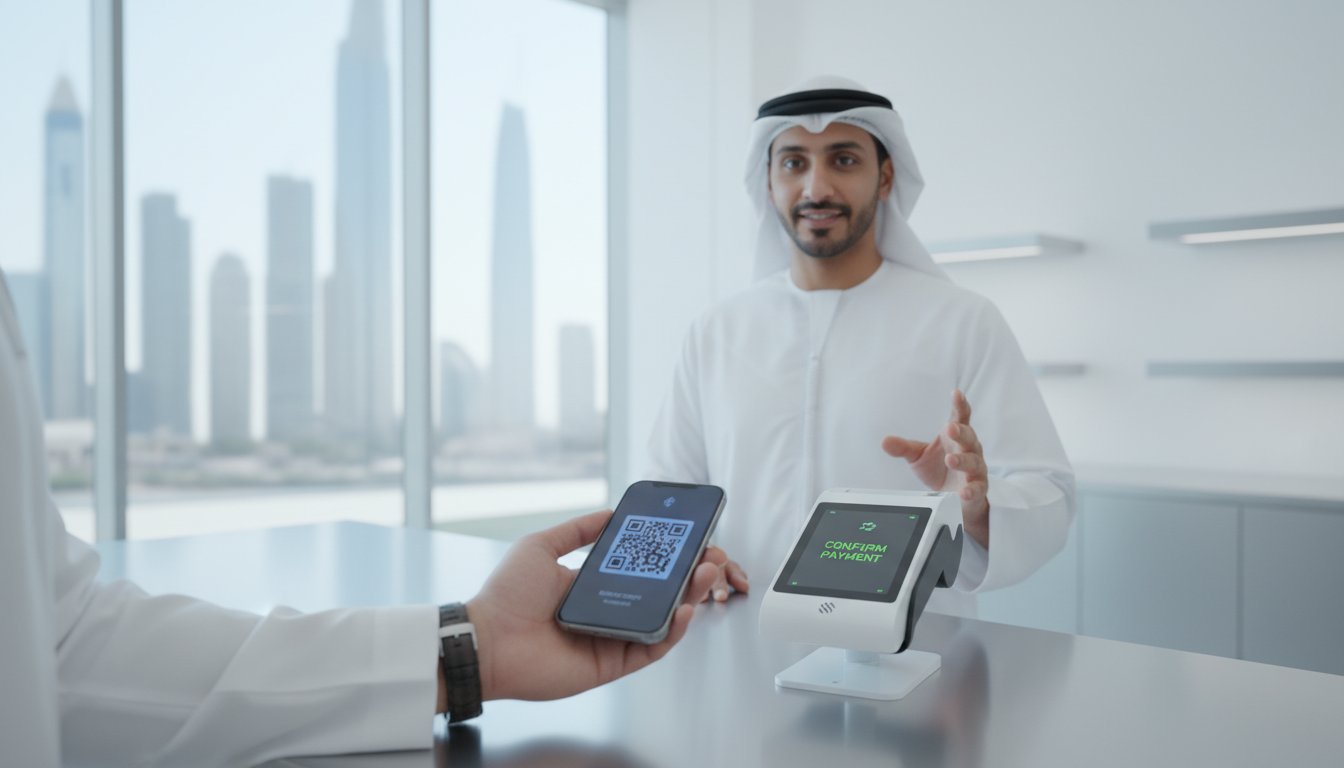

  • How Do Crypto POS Systems Work? The Complete Merchant Guide for 2026

    How Do Crypto POS Systems Work? The Complete Merchant Guide for 2026

    By 2026, global retail spending via digital assets is projected to reach $22.5 billion, marking a definitive shift toward the future of payments. To remain competitive in this evolving landscape, you must understand exactly how do crypto pos systems work to facilitate these high-speed exchanges. You’ve likely felt the hesitation that comes with blockchain technology; the fear that a sudden price drop will impact your revenue or that a slow network will cause a bottleneck at your checkout counter.

    We’ve designed this guide to bridge the gap between technical innovation and institutional reliability. You’ll discover how modern POS solutions provide instant liquidity and seamless conversion, allowing you to accept cryptocurrency while receiving stable fiat currency in your bank account. We will break down the essential hardware requirements, the four-step transaction lifecycle, and the settlement processes that keep your business secure and efficient in a global market.

    Key Takeaways

    • Understand exactly how do crypto pos systems work to facilitate seamless, direct interactions between blockchain networks and your retail terminal.
    • Master the four-step transaction lifecycle that ensures instant payment verification through dynamic QR codes and secure wallet signatures.
    • Discover how to eliminate volatility risks by utilizing instant fiat conversion for stable, predictable business settlements.
    • Identify critical multi-currency features and ERP integration capabilities necessary for scaling a modern global retail operation.
    • Learn to leverage MSB-regulated infrastructure to ensure institutional-grade security for every digital asset transaction.

    What is a Crypto POS System? Defining the Modern Terminal

    A Crypto POS (Point-of-Sale) system represents the professional evolution of retail hardware. It’s a sophisticated combination of secure hardware and cloud-based software that empowers merchants to accept digital assets like Bitcoin, Ethereum, or USDT. Unlike traditional terminals that rely on legacy banking rails and multi-day clearing cycles, these modern systems interact directly with decentralized blockchain networks or specialized payment gateways. A Crypto POS serves as the bridge between decentralized finance and traditional retail commerce.

    Understanding how crypto payments work is the first step toward modernizing a business’s financial infrastructure. These systems calculate real-time exchange rates at the exact moment of sale. This ensures the merchant receives the precise value of the transaction in their preferred currency, effectively neutralizing the risks associated with price volatility. By 2026, the global market for these terminals has expanded significantly as businesses seek faster settlement times and lower fees compared to traditional credit card processors. So, how do crypto pos systems work in a practical retail setting? They convert the requested fiat amount into its crypto equivalent instantly, generating a unique QR code or an NFC signal for the customer to authorize from their digital wallet.

    The system functions as an all-in-one ecosystem that handles the heavy lifting of blockchain verification. When a customer initiates a payment, the terminal communicates with a payment gateway to verify the availability of funds and the authenticity of the transaction. This process happens in seconds, providing an instant confirmation that mirrors the speed of a standard debit card swipe. Merchants don’t need to manage private keys or interact with complex exchange interfaces; the terminal provides a streamlined, professional interface that mirrors the tools they already use. These devices represent the future of payments, offering a global reach that traditional banks cannot match.

    Clearing the Confusion: POS vs. PoS

    It’s common to find overlapping results when searching for these terms, but they serve entirely different roles. POS refers to the Point-of-Sale terminal used at a checkout counter for retail transactions. In contrast, PoS stands for Proof-of-Stake, which is a consensus mechanism used by blockchains like Ethereum to secure their networks. You don’t need to understand the complexities of staking or network validation to operate a Point-of-Sale terminal. Confusion between these terms often leads business owners to believe crypto payments are technically inaccessible, but the reality is a user-friendly experience designed for efficiency.

    The Evolution of Retail Payments in 2026

    Crypto terminals have transitioned from niche experimental tech into mainstream retail necessities. The integration of NFC technology has made crypto payments as fast as tapping a traditional credit card, which is essential for high-traffic environments. Various sectors are leading this change, with hotels and luxury retailers adopting these systems to cater to a global, tech-savvy clientele. These industries recognize that offering diverse payment options is a standard for global commerce. By removing the friction of currency conversion, these terminals allow businesses to scale their operations internationally with ease.

    Behind the Scenes: The 4-Step Transaction Lifecycle

    Understanding how do crypto pos systems work requires looking past the sleek hardware to the sophisticated software stack that manages digital assets in real time. While a traditional credit card transaction relies on legacy banking rails that can take days to settle, a crypto POS terminal operates on a decentralized infrastructure designed for immediate finality. This process transforms a complex blockchain interaction into a familiar, user-friendly retail experience that mirrors the speed of a standard contactless payment.

    Step 1 & 2: Initiation and Wallet Communication

    The lifecycle begins when the merchant enters the fiat amount into the terminal interface. At this moment, the Payment API performs the heavy lifting by calculating the exact cryptocurrency equivalent. This isn’t a static conversion; the system queries multiple global liquidity providers to secure the most competitive exchange rate available in 2024. Once the rate is determined, the terminal generates a dynamic QR code. This code is more than just an image. It’s a secure data packet containing the merchant’s destination address, the precise amount, and a unique transaction ID.

    When the customer scans this code using their mobile wallet, the two devices establish a secure connection using encrypted protocols. The wallet then broadcasts a digitally signed transaction to the payment gateway. This signature acts as a cryptographic guarantee of ownership, ensuring that the funds cannot be redirected or altered. Because the communication is peer-to-peer, it bypasses the multiple intermediaries that typically slow down traditional financial transfers. Merchants often find that how do crypto pos systems work is actually more direct than the 5-step process involved in standard visa or mastercard processing.

    Step 3 & 4: Validation and Confirmation

    Once the payment gateway receives the signed transaction, it moves into the validation phase. To protect the merchant from price volatility, the gateway typically locks in the exchange rate for a window of 15 minutes. This prevents “slippage,” where the value of the crypto might change between the scan and the settlement. A critical distinction here is the difference between on-chain confirmation and instant gateway approval. While a base-layer Bitcoin transaction might take 10 minutes to confirm on the blockchain, modern gateways use Layer-2 solutions like the Lightning Network to achieve sub-second transaction times. These protocols allow for 0.5-second processing, making crypto viable for high-traffic environments like cafes or supermarkets.

    As noted by industry experts at Tech Times, understanding How a Crypto POS System Works is becoming vital for retailers who want to eliminate the 3% fees associated with traditional banks. After the gateway verifies the availability of funds, the terminal displays a green checkmark and prints a physical or digital receipt. In the backend, the merchant’s dashboard reflects the transaction immediately. The system automatically logs the data for tax compliance and inventory management, providing a seamless bridge between blockchain technology and daily business operations. If you’re ready to modernize your storefront, you can explore our professional terminal options to see these steps in action.

    The final step involves the actual settlement. Even though the receipt is printed instantly, the gateway handles the “settlement” by moving the funds into the merchant’s designated account. Depending on the merchant’s preference, these funds can remain as cryptocurrency or be automatically converted into fiat currency like USD or AED. This flexibility ensures that the business remains protected from market swings while still offering customers the freedom to pay with digital assets.

    Fiat vs. Crypto Settlements: How Your Business Gets Paid

    Understanding how do crypto pos systems work requires looking at the final destination of your revenue. Merchants don’t need to be blockchain experts to accept digital payments because the system handles the complex conversion layers. You have the executive power to decide whether your sales revenue stays in the digital ecosystem or arrives in your bank account as local currency. This flexibility bridges the gap between disruptive technology and the practical needs of daily business operations.

    The Instant Fiat Settlement Advantage

    Chief Financial Officers often prioritize stability and predictable cash flow over market speculation. By utilizing fiat settlement services, your business locks in the exact price of a sale the moment a customer completes the transaction. This process effectively eliminates the risk of price drops that might occur between the time of sale and the bank deposit. Recent research on cryptocurrency market behavior shows that while retail trading flows can be volatile, a professional gateway absorbs this volatility so your balance sheet doesn’t have to. You receive the precise fiat amount listed on your invoice, minus a transparent processing fee.

    Managing the administrative side of these transactions is equally streamlined. Your merchant dashboard provides the following benefits:

    • Automated Tax Reporting: Generate real-time reports that categorize every transaction for local tax compliance.
    • Accounting Integration: Export data directly to software like QuickBooks or Xero via secure API hooks.
    • Volatility Shielding: The gateway locks the exchange rate for a specific window, ensuring the customer pays the fair market value while you receive a fixed fiat sum.

    The settlement cycle is the engine that drives your liquidity. Once the blockchain confirms a payment, the gateway initiates the transfer to your linked accounts. Modern 2026 systems allow for same-day fiat settlement in over 180 countries. This speed is a significant upgrade from the legacy T+3 or T+5 cycles common in traditional credit card processing, where funds are often held for days before becoming accessible.

    Direct Crypto Settlements for Digital Treasuries

    Some enterprises choose to bypass fiat conversion entirely to build a digital treasury. If your business pays global suppliers in stablecoins or wants to hold Bitcoin as a long-term asset, you can opt for direct crypto settlements. In this scenario, the revenue moves directly into secure crypto wallets managed by your company. This is a strategic choice for the 28% of global businesses now operating in cross-border markets where traditional banking remains slow or prohibitively expensive.

    When you choose to keep digital assets, you often benefit from lower overall fees. Since there’s no conversion from crypto to fiat, the “spread” or exchange fee is removed from the equation. This allows you to retain more of every dollar earned. It’s a pure peer-to-peer flow that highlights exactly how do crypto pos systems work to maximize profit margins. Whether you’re holding USDT for its dollar-pegged stability or BTC for its growth potential, the choice remains entirely in your hands, accessible through a single, professional interface.

    Key Features and Implementation for Global Retailers

    Modern commerce demands flexibility. A robust crypto POS terminal isn’t just a card reader; it’s a gateway to a global liquidity pool. Understanding how do crypto pos systems work requires looking at their core infrastructure, which bridges the gap between digital assets and traditional accounting. These systems handle the heavy lifting of real-time conversion, ensuring that a merchant receives their preferred currency without exposure to market volatility. By 2024, the ability to accept Bitcoin, Ethereum, and USDT on a single device has become a standard requirement for businesses aiming to capture the growing segment of 420 million crypto users worldwide.

    Security and compliance form the backbone of these operations. Every transaction utilizes end-to-end encryption and mandatory two-factor authentication (2FA) to protect both the merchant and the consumer. For legal operations, using a provider registered as a Money Services Business (MSB) is non-negotiable. This registration ensures the provider adheres to strict Anti-Money Laundering (AML) and Know Your Customer (KYC) protocols, shielding your business from regulatory risks. Integration isn’t a hurdle either. Modern terminals sync with existing ERP and inventory management software via secure APIs, maintaining a single source of truth for all financial data.

    • Multi-Currency Support: Accept over 100 digital assets with instant settlement options.
    • ERP Integration: Sync sales data directly with platforms like SAP, Oracle, or Microsoft Dynamics.
    • Anti-Fraud Monitoring: Real-time blockchain analysis flags suspicious wallet addresses before a transaction completes.
    • Regulatory Peace of Mind: MSB-registered providers handle all compliance reporting automatically.

    Hardware vs. Software-Only POS

    Dedicated physical terminals offer the highest level of customer trust in a retail store environment. These devices are built for durability and provide a familiar checkout experience. For mobile businesses or popup shops, “SoftPOS” technology turns any NFC-enabled Android phone into a terminal. While software-only solutions offer 100% portability, physical hardware remains the gold standard for high-volume brick-and-mortar locations due to its superior processing speed and professional appearance.

    Integrating with E-commerce and In-Store

    The goal for 2025 is a seamless omnichannel experience. By utilizing e-commerce gateways, you can track online and offline sales through a unified dashboard. This synchronization allows for better cash flow management and inventory accuracy. Training your team is equally efficient; most staff members can master the process of generating a QR code and verifying a transaction in under 5 minutes. It’s a simple, intuitive workflow that mirrors traditional credit card processing but with lower fees and faster settlement.

    Experience the future of payments today. Get started with Pallapay’s all-in-one crypto POS solution and scale your business globally.

    The Pallapay Advantage: Secure, Regulated POS Infrastructure

    Pallapay operates as a sophisticated bridge between decentralized finance and institutional retail commerce. We provide an all-in-one ecosystem that removes the technical barriers merchants often face when adopting new payment technologies. Our infrastructure is built on a foundation of institutional trust; we hold active Money Services Business (MSB) registrations with FinCEN in the United States and FINTRAC in Canada. These registrations aren’t just badges of honor; they represent a commitment to strict anti-money laundering (AML) protocols and financial transparency that protects your business from the volatility of unregulated markets.

    We maintain a physical presence in the world’s leading financial hubs, including Dubai, Singapore, and Istanbul. Having local offices means we provide boots-on-the-ground support that anonymous digital platforms cannot offer. When you analyze how do crypto pos systems work within a regulated framework, you realize that security is about more than just code; it’s about legal accountability and physical presence. This global footprint allows us to offer 24/7 localized support, ensuring that your payment gateway never experiences downtime during peak trading hours.

    The Pallapay ecosystem is designed to be a “Global Enabler” for merchants who want to tap into the $2 trillion cryptocurrency market without the traditional headaches of digital asset management. We handle the complex liquidity and settlement processes behind the scenes. This allows your staff to process a Bitcoin or USDT transaction as easily as they would a standard credit card payment. Our goal is to make the transition to digital currency feel like a standard, effortless business operation.

    Regulated Financial Technology

    Pallapay’s regulatory status protects your retail business from the legal and financial risks associated with “gray market” exchanges. We implement security protocols that exceed standard banking requirements, including end-to-end AES-256 encryption for all data transmissions. High-volume retail locations benefit from a dedicated account manager who oversees your specific integration and settlement needs. This human-centric approach ensures your liquidity remains stable. We manage the heavy lifting of compliance and KYC so you can focus on serving your customers. Our system provides instant conversion, meaning you never have to worry about the price of an asset changing between the time of sale and the time of settlement.

    Setting Up Your POS in 2026

    The onboarding process is designed for maximum efficiency, reflecting the fast-paced nature of modern commerce. You can complete your initial application in under 10 minutes, and our compliance team typically verifies accounts within 24 hours. Once the terminal arrives, it connects to your existing Wi-Fi or 5G network instantly. Merchants in the UAE enjoy unique flexibility; you can sell USDT for cash in Dubai at our physical branches or settle your daily sales directly to a local bank account in your preferred fiat currency. This flexibility is why 98% of our partner merchants report a seamless transition from traditional hardware to our crypto-ready terminals. Understanding how do crypto pos systems work is the first step toward future-proofing your revenue streams.

    The Future of Payments is not a distant concept; it’s a functional tool available right now. By integrating a Pallapay terminal, you’re positioning your brand at the forefront of a global financial evolution. Our technology ensures that every transaction is instant, secure, and fully compliant with international standards.

    Future-Proof Your Business with Seamless Crypto Integration

    The transition toward digital assets represents a fundamental shift in global liquidity. Merchants who master how do crypto pos systems work gain an immediate competitive advantage by accessing a borderless economy. These modern terminals handle the complex heavy lifting of blockchain verification and instant fiat conversion; this ensures your business receives local currency without the risks of market volatility. By adopting a regulated infrastructure, you’re not just accepting new payment methods, you’re positioning your brand as a visionary partner in the global marketplace.

    Pallapay delivers the institutional reliability necessary for high-volume retail. We’re MSB registered in the USA and Canada, currently serving merchants in over 180 countries. Our ecosystem provides instant fiat settlement in AED, USD, and EUR, which means your cash flow remains predictable and liquid. You don’t have to navigate the complexities of decentralized finance alone when you have a secure, professional gateway at your fingertips.

    Get started with the world’s most secure Crypto POS machine

    The future of payments is already here, and it’s built on speed, security, and global reach. We’re ready to help you lead the way.

    Frequently Asked Questions

    Is a crypto POS system faster than a credit card terminal?

    Yes, crypto POS systems offer instant transaction verification, often completing in under 5 seconds. Traditional card networks involve multiple intermediaries like issuing banks and clearinghouses that take 48 to 72 hours for final settlement. Pallapay terminals bypass these delays by providing real-time liquidity. This speed ensures your cash flow stays liquid and predictable. It’s the most efficient way to handle modern commerce.

    Do I need to have a crypto wallet to accept payments as a merchant?

    You don’t need a personal wallet because the terminal integrates an all-in-one merchant account. The system generates a unique QR code for each transaction, and the funds deposit directly into your secure business gateway. Understanding how do crypto pos systems work simplifies this; the terminal acts as the professional bridge between the customer’s digital assets and your bank account. We handle the heavy lifting of technology behind the scenes.

    What are the typical fees for using a crypto POS system?

    Transaction fees typically range from 0.5% to 1.5%, which is significantly lower than the 2.5% to 4% charged by legacy credit card processors. Merchants save up to 60% on processing costs by eliminating traditional interchange fees. Pallapay provides a transparent fee structure with no hidden charges. This cost efficiency allows businesses to reinvest their savings into scaling global operations and accelerating growth.

    What happens if the price of Bitcoin drops immediately after a customer pays?

    You aren’t affected by market volatility because the system locks in the exchange rate at the exact second of the transaction. If a customer pays 500 USD in Bitcoin, you receive 500 USD regardless of price swings. Our instant settlement technology converts the crypto to fiat immediately. This feature provides a secure financial environment where price fluctuations never impact your bottom line or financial stability.

    Is it legal to use a crypto POS machine in my country?

    Crypto payments are legal in over 130 countries as of October 2023, including the UAE, EU, and USA. You must comply with local AML and KYC regulations, which our terminal handles automatically during the initial onboarding process. Pallapay ensures your business operates within the legal framework of your specific region. We provide the professional bridge to the future of payments while maintaining strict institutional reliability.

    Can I accept multiple cryptocurrencies on one POS device?

    Yes, a single device supports over 50 major cryptocurrencies including Bitcoin, Ethereum, and USDT. This versatility allows you to cater to a global customer base without needing multiple hardware units. Learning how do crypto pos systems work reveals that the software manages various blockchain protocols through one seamless interface. It’s a visionary solution for modern merchants who want to offer their customers total payment flexibility.

    How do I withdraw the money I earn from crypto sales into my bank account?

    You withdraw funds via an automated OTC desk that settles directly into your bank account within 24 hours. The platform converts your digital assets into local fiat currency like AED, USD, or EUR. This process ensures your earnings are always accessible for operational expenses. Our all-in-one ecosystem makes the transition from crypto to cash feel like a standard, effortless business operation for any global merchant.

    Do I need a special internet connection for a crypto POS terminal?

    You only need a standard 4G, 5G, or Wi-Fi connection with a minimum speed of 2 Mbps. The terminal functions like a traditional mobile card reader and requires very little bandwidth to process encrypted blockchain data. This allows you to accept payments at a physical storefront or a mobile pop-up shop. It’s a highly portable tool designed for the efficiency-oriented business owner who values mobility.

  • How to Spend Cryptocurrency: The Complete 2026 Utility Guide

    How to Spend Cryptocurrency: The Complete 2026 Utility Guide

    By the start of 2026, the number of global crypto users surpassed 560 million, yet a significant portion of these holders still struggle with the practical logistics of daily utility. You’ve likely experienced the frustration of high network fees on small retail purchases or the cumbersome multi-step process required to convert digital assets into spendable fiat. Learning how to spend cryptocurrency shouldn’t feel like a technical chore; it should be as seamless as a standard contactless payment. We agree that you deserve to maintain the security of your long-term holdings while accessing the instant liquidity required for modern commerce.

    This guide provides the definitive roadmap to achieving that balance. You’ll discover the most efficient ways to use your assets for real-world purchases through professional-grade debit cards and direct merchant integrations that eliminate unnecessary middleman fees. We’ll preview the latest 2026 infrastructure, including instant settlement gateways and OTC liquidity pools, ensuring you’re equipped for the future of payments. By the end of this article, you’ll have a clear strategy for moving your capital with absolute confidence and zero friction.

    Key Takeaways

    • Transition from speculative holding to active utility by leveraging the regulatory clarity and security standards of the modern digital economy.
    • Master how to spend cryptocurrency through instant liquidation tools that provide a seamless transaction experience at any global merchant.
    • Discover how direct payment gateways and advanced POS systems are integrating digital assets into the luxury retail and hospitality sectors.
    • Optimize your financial strategy by navigating complex fee structures and utilizing stablecoins to secure value against market volatility.
    • Identify the critical advantages of an all-in-one ecosystem that bridges the gap between blockchain innovation and institutional financial reliability.

    The Evolution of Crypto Utility: Why Spending is the New HODLing

    The 2026 economy has fundamentally redefined the relationship between users and digital assets. While the early 2020s were dominated by price speculation, the current era prioritizes functional liquidity. Understanding What is cryptocurrency? is no longer a question of technical whitepapers; it’s about recognizing it as a superior medium of exchange. This shift occurred because global regulatory frameworks, including the widespread adoption of MSB registrations by late 2024, provided the institutional safety net retail users required. People have transitioned from a “number go up” mentality to a utility-first mindset where crypto is viewed as a global, borderless bank account.

    Security and clarity have replaced the uncertainty of the past. By 2025, over 85% of major jurisdictions established clear tax and compliance guidelines for digital payments, making the process of how to spend cryptocurrency as routine as swiping a plastic card. This psychological transition is backed by three main spending pillars: crypto-linked debit cards, direct wallet-to-wallet transfers, and integrated Point of Sale (POS) systems. Each pillar serves a specific need, from daily coffee purchases to high-value real estate transactions, ensuring that digital wealth is never trapped behind an exchange wall.

    The Problem with Traditional Cash-Out Methods

    Traditional banking systems haven’t kept pace with the speed of blockchain. Withdrawing funds from an exchange to a legacy bank account often involves a 72 hour waiting period and multiple compliance hurdles. The hidden costs are equally frustrating. Users frequently lose between 3% and 5% of their value through a combination of spread markups, network gas fees, and bank processing charges. Modern fintech providers have solved this by creating a direct crypto-to-cash pipeline. These platforms bypass the slow settlement times of the SWIFT network, offering instant conversion at the moment of purchase. This eliminates the friction that once made crypto spending a logistical nightmare for the average person.

    Defining the 2026 Spending Landscape

    Stablecoins, specifically USDT, have become the backbone of daily commerce due to their price stability and high liquidity. In 2026, 92% of retail crypto transactions are settled in stablecoins to avoid the volatility of legacy assets. Instant liquidity providers have replaced the old model of slow-settlement exchanges, allowing for real-time conversion at the merchant level. The key to managing this effectively is using a secure crypto wallet that supports multi-chain assets and offers direct integration with payment gateways. This all-in-one approach is the Future of Payments, where your wallet acts as both a savings account and a high-speed checking account. Learning how to spend cryptocurrency efficiently requires a platform that prioritizes instant settlement and global accessibility. This evolution ensures that your digital assets are always ready for real-world use, providing a level of financial freedom that traditional fiat systems cannot match.

    • Instant Settlement: Transactions are finalized in seconds, not days.
    • Global Reach: Spend your assets in any country without currency exchange fees.
    • Security: Advanced encryption and MSB compliance protect every transaction.

    Crypto Debit Cards: The Most Seamless Way to Spend

    A crypto debit card acts as the definitive bridge between your digital portfolio and the global economy. It functions by allowing you to utilize your assets at any merchant terminal that accepts traditional payment networks. While understanding how cryptocurrency works is fundamental for any investor, these cards remove the technical burden from the point of sale. You don’t need to worry about wallet addresses or network confirmations at the checkout counter. The card handles the heavy lifting of finance behind a familiar plastic or digital interface.

    The backend mechanics rely on instant liquidation. When you swipe your card or tap your phone, the provider initiates a real-time settlement process. They instantly sell the necessary portion of your cryptocurrency for the exact amount of fiat currency required by the merchant. This process happens in milliseconds, ensuring that the seller receives local currency while you successfully execute how to spend cryptocurrency without manual exchange steps. By 2026, these systems have evolved to offer near-zero latency, making the experience indistinguishable from using a standard bank card.

    Users typically choose between two primary formats: virtual and physical. Virtual cards are optimized for the digital-first economy, providing a secure way to handle e-commerce transactions and subscription services. Physical cards remain essential for retail environments and global travel where tactile hardware is required. Additionally, two distinct funding models exist. Some cards require a pre-paid balance where you manually move funds to a fiat wallet. Others offer direct wallet linking, which maintains your liquidity in crypto until the very second a transaction occurs. This second model is often preferred by those who want to maximize their exposure to market movements while maintaining spending power.

    Key Features of a High-Performance Crypto Card

    Top-tier cards prioritize transparency in conversion rates. High-performance providers offer tight spreads, often below 0.5%, to ensure you retain the maximum value of your assets. Security is equally paramount. Modern cards integrate 2FA, biometric authentication, and the ability to instantly freeze the card via a mobile app if it’s misplaced. For global travelers, ATM withdrawal capabilities are a non-negotiable feature, allowing for the conversion of crypto into physical cash at thousands of international hubs.

    The Pallapay Mastercard Advantage

    The Pallapay Mastercard represents the pinnacle of this financial evolution by integrating directly into a comprehensive payment ecosystem. It offers unparalleled global acceptance, allowing users to spend their assets in over 180 countries without the friction of traditional currency exchange fees. Because the card is backed by a regulated MSB provider, users benefit from an institutional level of trust and stability that smaller, unregulated startups cannot match. This card isn’t just a tool; it’s a gateway to the future of payments.

    Choosing the right card is the most effective strategy for anyone looking for how to spend cryptocurrency efficiently in a retail or digital environment. If you’re ready to transition from a passive holder to an active participant in the new economy, you can apply for a card that fits your lifestyle. This shift toward instant, secure, and global liquidity is what defines the modern financial landscape.

    Direct Merchant Payments and Crypto POS Systems

    By 2026, the question of how to spend cryptocurrency has moved from a technical hurdle to a standard checkout option. Global e-commerce platforms now integrate “Pay with Crypto” buttons as a primary payment method alongside traditional credit cards. This shift eliminates the friction of converting assets to fiat before making a purchase. While understanding how cryptocurrency works is still valuable for security, the user experience is now as simple as any digital wallet transaction. Pallapay serves as the professional bridge in this evolution, providing the infrastructure that makes these transactions secure and reliable.

    Physical retail environments have seen a 42% increase in Crypto POS installations since 2024. Merchants utilize fiat settlement to protect their margins. This technology allows a customer to pay in Bitcoin or Ethereum while the merchant receives USD or EUR instantly. It removes the risk of market volatility for the business. This is the Future of Payments, where the complexity of blockchain is hidden behind a sophisticated, user-friendly interface.

    Direct merchant payments represent a significant shift in financial autonomy. By utilizing a direct gateway, you bypass the 1.5% to 2% “convenience” fees typically charged by crypto-backed debit cards. This peer-to-merchant model is the purest form of digital commerce. It utilizes the underlying blockchain to settle value without requiring a third-party processor to act as a custodian of your funds during the transaction. These terminals are not merely payment processors; they are sophisticated liquidity management tools that empower both the spender and the seller.

    How to Use a Crypto POS Terminal In-Store

    Modern retail interactions are built for speed and efficiency. When you’re ready to pay, the merchant enters the transaction amount into their terminal. You simply scan the generated QR code with your mobile wallet app. In 2026, Layer 2 scaling solutions ensure an Instant confirmation, meaning you won’t stand at the counter waiting for block confirmations. Many high-end terminals now support NFC technology. This allows for a “Tap to Pay” experience that feels identical to using a traditional debit card. It’s a seamless process that connects your digital wealth to the physical world without intermediate card providers or unnecessary delays.

    Industry-Specific Adoption

    The hotel industry has led the way in global crypto integration. Large chains use these systems to bypass the 3.5% fees often associated with international credit card processing. This simplifies international bookings and reduces costs for the traveler. In luxury retail stores, high-ticket items like watches or designer apparel are increasingly purchased via crypto. This method avoids the restrictive daily spending limits of traditional banking institutions. Shoppers save an average of 2.1% by avoiding foreign exchange markups during cross-border travel. This all-in-one approach to global finance makes how to spend cryptocurrency a question of convenience rather than capability. The system handles the heavy lifting of technology behind the scenes, ensuring every transaction is a standard, effortless business operation.

    Optimizing Your Spending: Fees, Security, and Strategy

    By 2026, mastering how to spend cryptocurrency requires more than just a digital wallet; it demands a sophisticated understanding of the underlying financial architecture. Efficiency is the new benchmark for the modern crypto user. You aren’t merely transferring tokens. You’re navigating a multi-layered fee stack that can erode your purchasing power if left unmanaged. This stack typically includes network gas fees, provider commissions that average 0.8% to 1.5%, and FX spreads that vary by liquidity provider.

    Strategic timing is your most effective tool against market volatility. While the 2026 market has matured, price swings of 5% within a single day remain common. Smart spenders use stablecoins like USDT or USDC to lock in value when their volatile assets hit specific price targets. This approach ensures that your budget remains predictable, regardless of the broader market’s movement. It’s a professional method for maintaining liquidity without exiting the blockchain ecosystem entirely.

    Security protocols must evolve alongside your spending habits. You should never initiate a payment directly from your primary cold storage or long-term savings address. Instead, adopt a “spend-and-replace” or “pre-funded” model. Maintain a separate hot wallet for daily expenses, holding only 3% to 7% of your total portfolio at any given time. This firewall strategy limits your exposure to malicious merchant scripts or phishing attempts that target active spenders.

    Regulatory compliance is another pillar of the 2026 landscape. With over 45 countries now implementing real-time tax reporting frameworks, keeping meticulous records is vital. Every transaction is a taxable event in many jurisdictions. Using platforms that offer automated cost-basis tracking and instant tax exports will save you dozens of hours during the annual filing season. Clean data is the foundation of financial freedom.

    Minimizing Transaction Friction

    Choosing the correct network is the fastest way to reduce overhead. By Q1 2026, the cost difference between networks is stark. An ERC20 transfer might cost $12 during peak congestion, while a TRC20 transaction remains stable at approximately $1. Layer 2 solutions like Arbitrum or the Lightning Network have pushed micro-payment costs below $0.05, making small coffee purchases finally viable. Always look for “zero-fee” environments where internal transfers between users of the same ecosystem are settled instantly without touching the mainnet.

    Protecting Your Digital Assets While Traveling

    Travelers face unique risks, from unsecured Wi-Fi to physical theft. Virtual cards provide an essential layer of anonymity and security for online bookings and recurring subscriptions. For those requiring significant liquidity, such as purchasing luxury goods or real estate abroad, high-volume OTC desks are the standard. These desks bypass retail slippage and provide fixed rates for amounts exceeding $10,000. In global financial hubs, selling USDT in Dubai for physical cash remains a premier strategy for travelers who need immediate, reliable local currency without the delays of traditional banking transfers.

    Effective crypto management is about removing the barriers between your digital wealth and its real-world utility. By focusing on network efficiency and robust security, you transform a complex technical process into a seamless financial routine. This is the hallmark of a visionary partner in the fintech space.

    Ready to elevate your financial strategy? Explore the Pallapay ecosystem for instant settlements and global payment solutions.

    Choosing the Right Partner for Your Crypto Lifestyle

    Selecting a financial partner in 2026 requires more than looking at transaction fees. Security and institutional-grade compliance serve as the bedrock of any sustainable strategy for how to spend cryptocurrency. You must prioritize platforms with Money Service Business (MSB) registrations. These licenses ensure the provider adheres to strict Anti-Money Laundering (AML) and Know Your Customer (KYC) protocols, protecting your assets from the volatility of unregulated shadow-banking. A regulated partner offers a legal bridge between digital assets and the legacy banking system; it provides you with the same protections you expect from a traditional bank.

    Efficiency thrives within an all-in-one ecosystem. Managing separate wallets, exchanges, and payment cards creates unnecessary complexity and increases the risk of manual errors. A unified platform provides instant liquidity. It allows you to convert assets and settle payments in milliseconds. This vertical integration means your exchange, debit card, and merchant services work as a single machine. By late 2025, data showed that users on integrated platforms saved an average of 3.2% on hidden conversion spreads compared to those using fragmented services across different providers.

    Your journey from digital wallet to retail checkout follows a precise four-step process. First, complete your identity verification to unlock full account limits. Second, fund your account via a bank transfer or direct crypto deposit. Third, issue a virtual or physical card within the app. Finally, use your balance at any contactless terminal globally. It’s that simple. To maintain a secure and efficient experience, follow this final checklist:

    • Enable biometric or hardware-based Two-Factor Authentication (2FA) for all withdrawals.
    • Monitor transaction history via real-time push notifications to detect unauthorized activity.
    • Only use platforms that offer segregated accounts for user funds to ensure solvency.
    • Verify the merchant uses a secure gateway to prevent data skimming during the checkout process.

    The Pallapay Difference: Security and Compliance

    We maintain a rigorous standard of operational integrity across the US, Canada, and the UAE. Our 2024 expansion solidified our role as a global leader in cross-border settlements. We don’t just serve individuals; our Payment API enables thousands of merchants to accept digital assets with instant fiat conversion. This infrastructure ensures that when you’re wondering how to spend cryptocurrency at your favorite store, the backend technology is stable and reliable. Our 24/7 global support team provides expert guidance for every transaction, ensuring you’re never left alone in the new financial frontier.

    Future-Proofing Your Finances

    By late 2026, industry analysts predict that 92% of global retailers will accept at least one form of digital payment. Building a transaction history with a regulated provider today aids your future financial mobility. It helps when applying for credit or mortgages that recognize crypto-wealth as a legitimate asset class. The Future of Payments isn’t a distant concept; it’s a functional reality we’ve already built. Start your journey with the Pallapay ecosystem today and experience the speed of instant, global finance.

    Master the Future of Global Payments

    The transition from passive holding to active utility marks the next phase of the digital economy. You’ve explored how integrated debit cards and merchant POS systems bridge the gap between blockchain assets and daily commerce. Success requires a strategy focused on low-friction settlements and robust security protocols. As global adoption scales, understanding how to spend cryptocurrency efficiently becomes your competitive advantage in a borderless market.

    Pallapay has led this evolution since 2018, providing instant crypto-to-fiat settlements that eliminate volatility risks. We’ve secured official MSB registration in both the USA and Canada to ensure your transactions meet the highest institutional standards. Today, thousands of merchants globally rely on our infrastructure to power their financial operations. You don’t need to navigate the complexities of liquidity alone when you have a visionary partner handling the heavy lifting behind the scenes.

    Experience the future of payments with the Pallapay Mastercard and join a global network built on trust and speed. It’s time to unlock the full potential of your digital wealth with confidence.

    Frequently Asked Questions

    Is it legal to spend cryptocurrency at retail stores?

    Yes, spending cryptocurrency is legal in over 130 jurisdictions globally as of 2026. In the United Arab Emirates, the Virtual Assets Regulatory Authority (VARA) provides a clear framework for retail transactions. You can use your digital assets at thousands of registered merchants who utilize secure payment gateways. This regulatory clarity ensures every transaction follows local financial laws while maintaining the speed of blockchain technology.

    How much are the fees when I spend crypto using a debit card?

    Transaction fees typically range between 0% and 2.5% depending on your card tier and the specific liquidity provider. Pallapay offers competitive rates that often eliminate the high 3% foreign exchange fees associated with traditional banking. These costs are calculated instantly at the point of sale. You’ll see the exact conversion rate before you confirm the payment, ensuring total transparency during your daily purchases.

    Do I need to pay taxes on every crypto purchase I make?

    Most tax authorities, including the IRS in the United States and HMRC in the UK, treat every crypto transaction as a taxable event. If your asset’s value increased since you acquired it, you’ll owe capital gains tax on that difference. In 2026, automated reporting tools integrated into your wallet can track these 15% to 20% tax liabilities. It’s essential to maintain digital records of your cost basis to ensure accurate annual filings.

    Which cryptocurrency is the best for daily spending in 2026?

    Stablecoins like USDT and USDC are the most efficient options for daily spending due to their 1:1 peg with the US Dollar. These assets eliminate the 10% daily volatility often seen in Bitcoin or Ethereum. When you learn how to spend cryptocurrency for routine items, using stablecoins ensures the price you see on the tag is the price you pay. They provide a reliable bridge between digital innovation and price stability.

    Can I use my crypto to pay for a hotel or luxury car directly?

    You can pay for high-value assets like luxury cars or five-star hotel stays directly through specialized merchant gateways. In 2026, over 45% of luxury retailers in Dubai and Singapore accept direct crypto transfers for invoices exceeding $50,000. These transactions often bypass traditional wire transfer delays that can take 3 to 5 business days. Instead, your payment settles in minutes, allowing for instant ownership transfer of your luxury goods.

    What happens if a transaction fails at a Crypto POS machine?

    If a transaction fails at a point-of-sale terminal, your funds typically remain in your wallet or are automatically reversed within 120 seconds. This usually occurs due to network congestion or insufficient liquidity for the specific pair. Our system provides instant notifications to your mobile device explaining the exact reason for the 404 or timeout error. You can then retry the payment or select a different asset to complete your purchase without delay.

    How do I convert my crypto back to cash instantly if I need it?

    You can convert your digital assets to fiat currency instantly using an OTC (Over-the-Counter) desk or a physical crypto ATM. Pallapay operates 4 physical branches where you can exchange assets for cash in under 15 minutes. This service is vital for users who need immediate liquidity for physical cash requirements. Understanding how to spend cryptocurrency also involves knowing how to exit the market quickly when cash is the only accepted medium.

    Is it safer to use a virtual crypto card or a physical one?

    Virtual crypto cards offer superior security for online transactions because they can be frozen or regenerated instantly after a single use. This reduces the risk of data breaches by 85% compared to static card numbers. Physical cards remain necessary for 2026’s brick-and-mortar stores that use NFC or chip readers. Both options utilize AES-256 encryption, but virtual cards provide an extra layer of protection against physical theft or skimming devices.